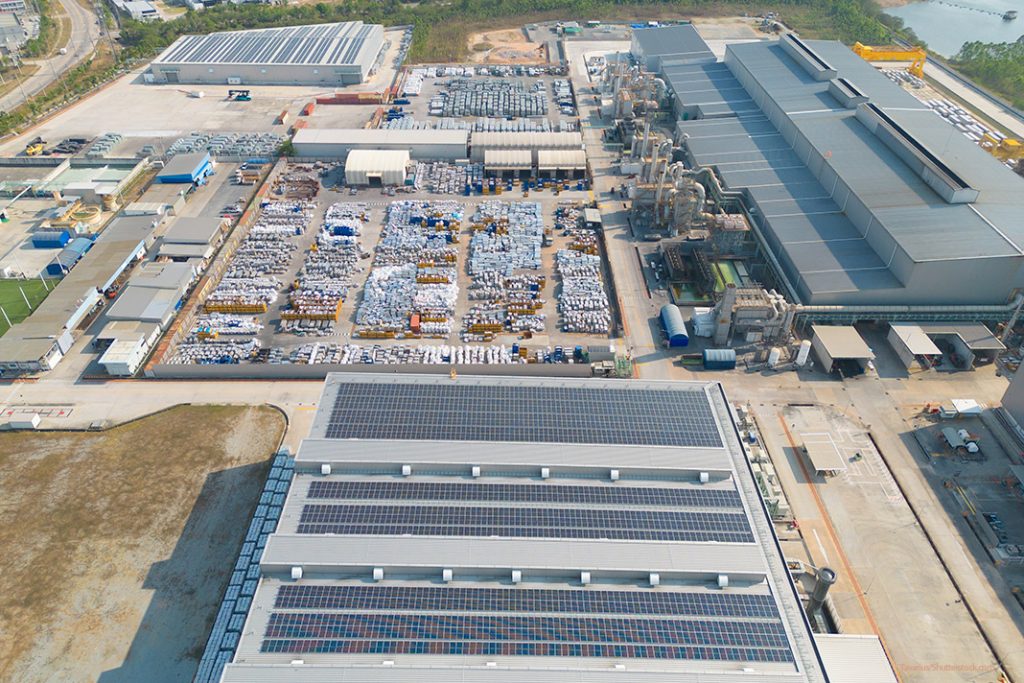
Myers Tire Supply aimed to improve customer service, reduce costs, and boost efficiency through improved inventory management.
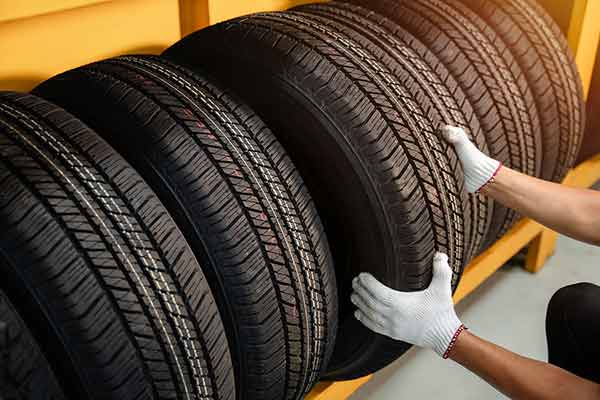
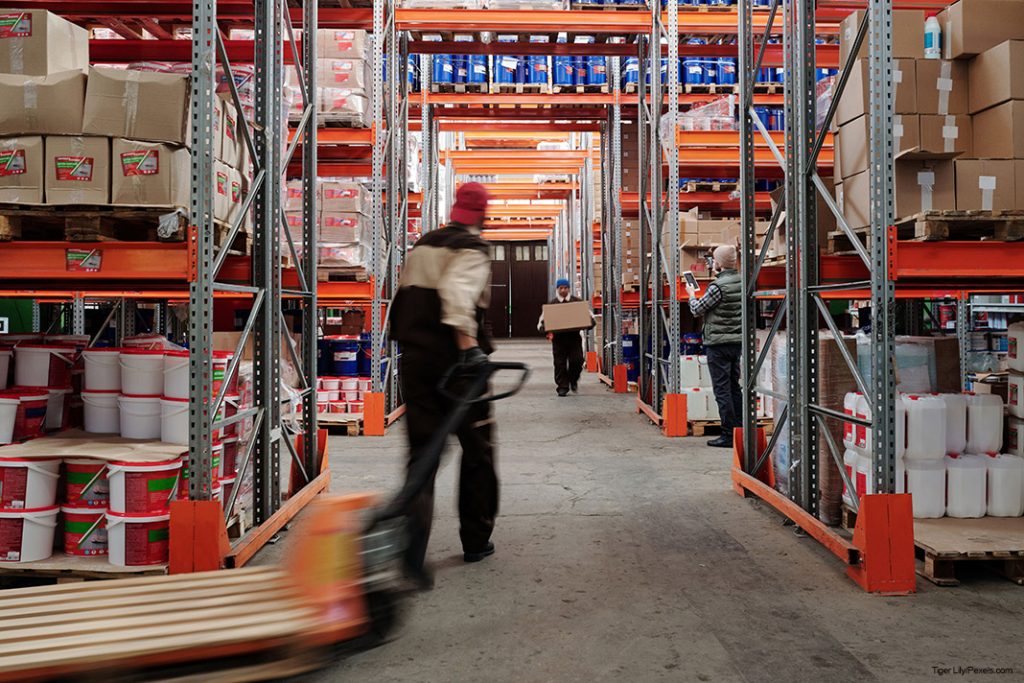
Myers Tire Supply aimed to improve customer service, reduce costs, and boost efficiency through improved inventory management. They took their first steps toward improvement by establishing a lean supply chain with a centralized distribution center model. Four distribution centers were strategically placed to deliver items to 32 warehouses across the country, minimizing order fulfillment time and providing a faster, optimized customer experience.
Their inventory management application was hindering their ability to scale and automate. Stocking supplies and tools for every type of vehicle required an extensive inventory, which they manage through Oracle’s JD Edwards (JDE) World ERP system – a menu-driven green screen application utilizing a legacy AS/400 database. The organization also lacked streamlined automation in critical areas such as the receiving dock, where they were relying on time-consuming, error-prone manual tracking processes.
Paul Nonno’s, director of distribution operations at Myers Tire Supply, requirements for their new Warehouse Management System included:
As a solution, the Myers team implemented RFgen Mobile Foundations for Oracle’s JD Edwards, a mobile application development platform that includes a suite of 100+ pre-written, pre-tested Oracle-validated mobile apps specifically tailored for JDE. RFgen Mobile Foundations delivered on-demand mobile capabilities to Myers Tire Supply employees using barcode scanners and tablets – both inside and outside the four walls of the distribution center.
Myers Tire Supply achieved end-to-end automation throughout their distribution centers and beyond, supporting advancements in customer service, cost reduction through standardization, and continuing growth.
Key takeaways from the modern solutions implemented include:
Forging the Next 250 Years: Powering the Next Era of American Manufacturing
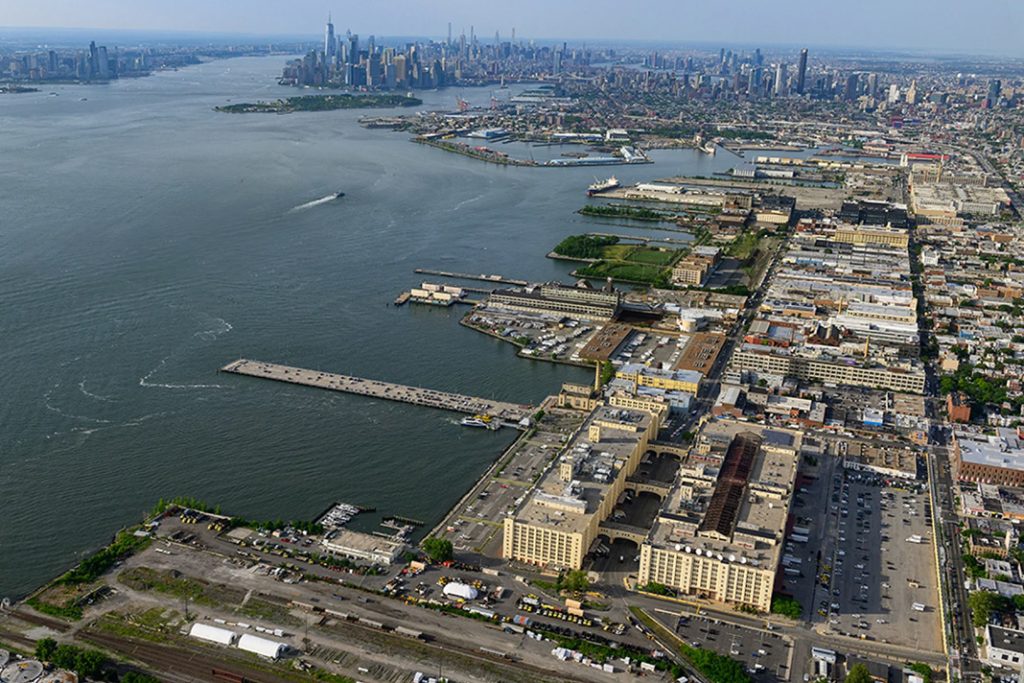
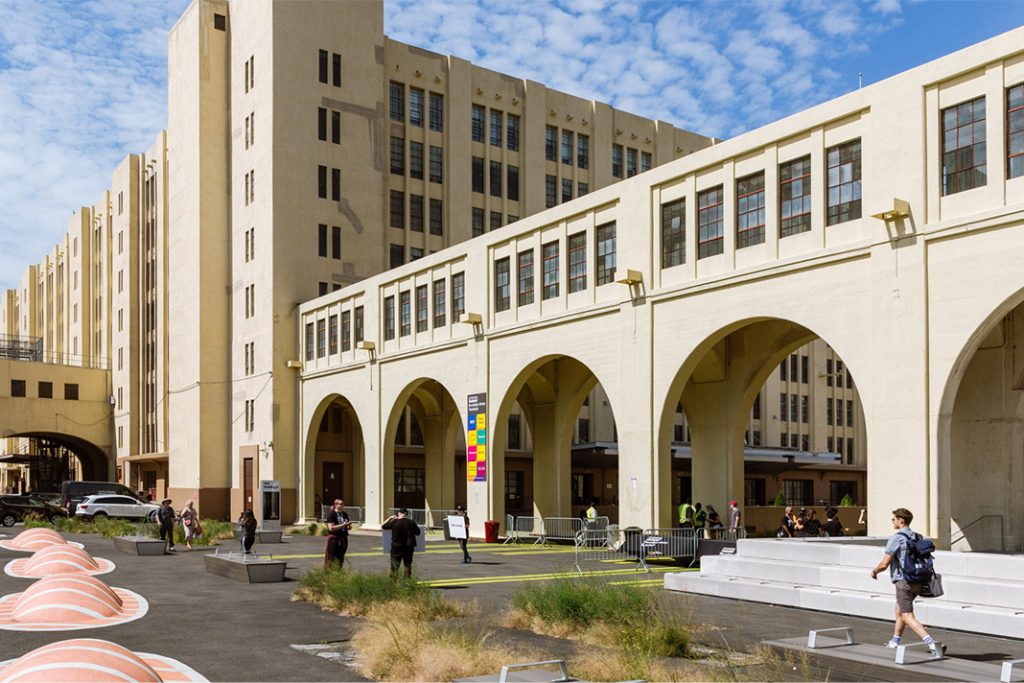
Brooklyn Army Terminal (BAT) began as a World War II-era military supply base. Today it is New York City’s largest publicly owned industrial campus, with 59 waterfront acres, more than 4 million square feet and over 100 businesses. In this episode of Industry Insights, Bridget Chansakul, Vice President of Leasing & Portfolio Management at NYCEDC, explains what space is available and what’s planned for the 250,000+ square feet of new industrial space in Building A. She also covers how the ferry, parking and on-site childcare help tenants hire and keep workers, along with workforce partnerships, City incentives for manufacturers and where BAT is headed next.
Get In Touch
Google news and SEO compliant, Industry Today’s state-of-the-art digital media platform offers bespoke media campaigns that target key decision makers and buyers to achieve your marketing and promotional goals.

Contribute
Showcase your brand and promote your business to our highly targeted audience. We offer detailed Google Analytics with measurable ROI to assure success. Submit your content for review by our Editorial team who will contact you to discuss the project further.
About Us
Reach Your Targeted Audience and Grow Your Business. Learn more About Industry Today.
Contact Us

© 2026 Industry today. All Rights reserved.