Nutrien has innovated a contact tracing solution to protect its essential workers against COVID-19 at its nitrogen and phosphate facilities.
At the onset of the COVID-19 pandemic, agriculture was deemed an essential service. As a result, many Nutrien employees that manufacture essential crop protection inputs were required to continue working on-site. Some turnarounds at Nutrien’s nitrogen facilities require more than eight times the number of people to be on-site as compared to normal operations, making it increasingly difficult to remain six feet apart.
The question of how to better manage physical distancing and contact tracing at Nutrien sites became a top priority, especially because large turnarounds are still taking place. Nutrien innovated a solution to employ contact tracing tags.
These wearable tags have a sensor that visually and audibly alerts users when they are within six feet of another tag. They also capture how long they remain in that range and who each tag belongs to.
By capturing this information, teams at the sites can quickly identify when and for how long people have been in contact. If someone comes down with COVID-19, they can easily determine who needs to isolate based on the data logged by the tags.
Contact
Maggie Rendulich
Maggie.Rendulich@nutrien.com
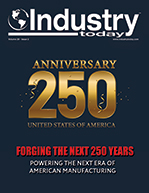
Forging the Next 250 Years: Powering the Next Era of American Manufacturing
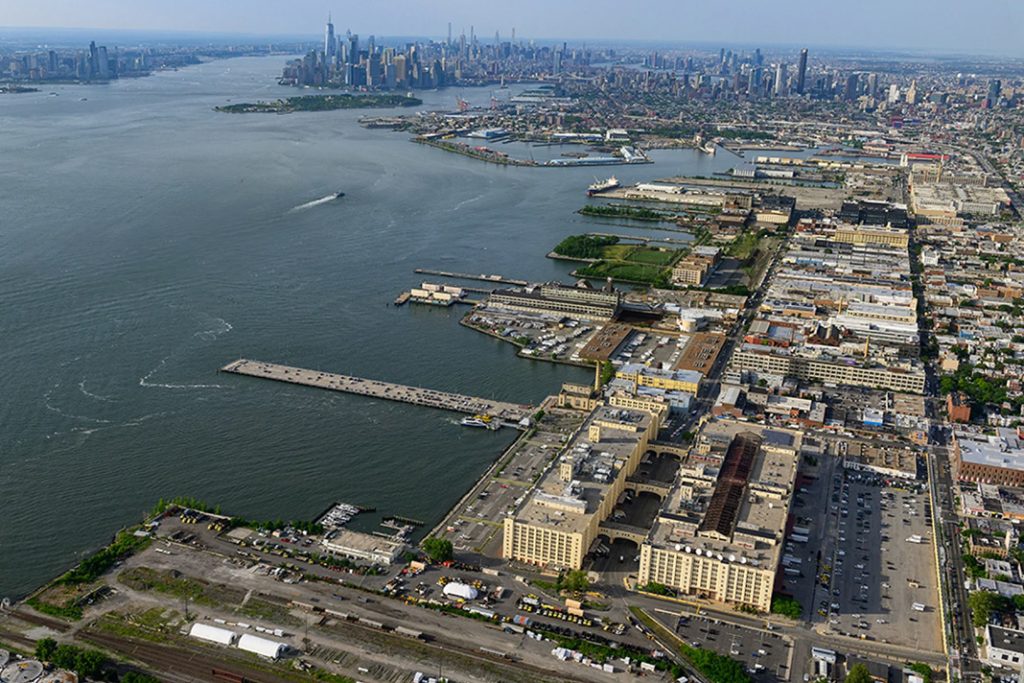
Brooklyn Army Terminal (BAT) began as a World War II-era military supply base. Today it is New York City’s largest publicly owned industrial campus, with 59 waterfront acres, more than 4 million square feet and over 100 businesses. In this episode of Industry Insights, Bridget Chansakul, Vice President of Leasing & Portfolio Management at NYCEDC, explains what space is available and what’s planned for the 250,000+ square feet of new industrial space in Building A. She also covers how the ferry, parking and on-site childcare help tenants hire and keep workers, along with workforce partnerships, City incentives for manufacturers and where BAT is headed next.
Get In Touch
Google news and SEO compliant, Industry Today’s state-of-the-art digital media platform offers bespoke media campaigns that target key decision makers and buyers to achieve your marketing and promotional goals.

Contribute
Showcase your brand and promote your business to our highly targeted audience. We offer detailed Google Analytics with measurable ROI to assure success. Submit your content for review by our Editorial team who will contact you to discuss the project further.
About Us
Reach Your Targeted Audience and Grow Your Business. Learn more About Industry Today.
Contact Us

© 2026 Industry today. All Rights reserved.