By Justin Brooks, Deputy Director of Workforce Development, IACMI – The Composites Institute.
Workforce development and training remain one of the biggest constraints for the manufacturing industry, often leaving businesses with more questions than answers. Recently, this uncertainty has increased due to factors such as emerging technologies and reshoring initiatives, which have opened up new opportunities but also introduced new challenges. The primary question now is simple: how do we move forward quickly and at scale?
To find the answer, we must first understand the problems. The labor pool can be divided, generally speaking, into two groups: an established workforce that must modernize skills and a new workforce that must be attracted and onboarded.
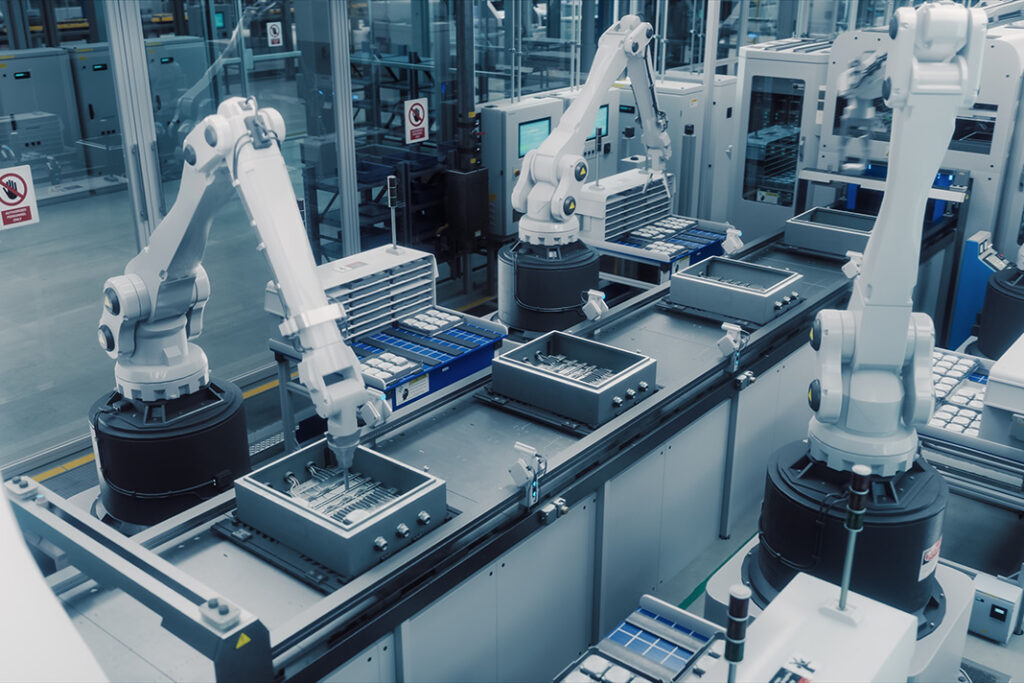
‘Upskilling’ or the ‘skills gap’ is a phrase that you’ve likely seen a lot of lately. It refers to the fact that existing workers need new skills to keep up with rapidly evolving technology. As of 2025, a record number of workers will reach retirement age. Trained in an era of early-stage technology, this segment of the workforce developed strong, hands-on mechanical skills. As the industry goes digital, manufacturing businesses nationwide are adopting new technologies such as automation to boost efficiency and enhance future readiness. Investing in new technology is, in some ways, the easy part. Finding and training workers to use it effectively takes time. In a 2025 Deloitte survey, ‘equipping workers with the skills and knowledge they need to maximize the potential of smart manufacturing and operations’ was a top concern for more than a third of manufacturing businesses surveyed.
On the opposite end of the workforce spectrum, the industry urgently needs to close the ‘labor gap’ by attracting a new generation of workers. Despite reports indicating a near-term decline in manufacturing jobs, economists predict manufacturing will need 3.8 million more workers by 2033. As it stands today, the industry is at risk of being 1.9 million workers short of meeting this need, which could compromise our nation’s competitiveness by undermining our ability to manufacture everyday items and infrastructure.
Both types of workers present unique challenges for the industry. Fortunately, practical solutions are already being executed across industry and education, and the momentum is real.
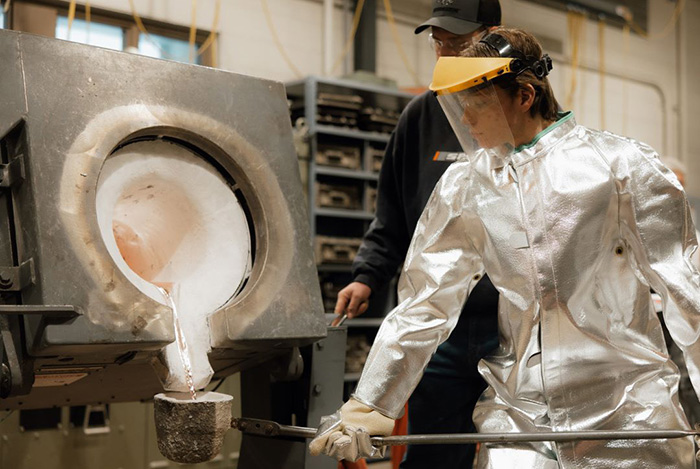
The solution to supporting the full spectrum of workers hinges on education and training, which have made great strides over the last five years. Whether it pertains to a new digital tool, an innovation in material science or new equipment, new education and training modules are being developed.
What’s even better news is that it’s being implemented by both industry and academia. A recent survey of 600 manufacturing businesses found that 53% of respondents have created in-house training modules, while 43% use training courses from external vendors. This should encourage anyone interested in joining the manufacturing sector, as it demonstrates a commitment to employee development and a desire to enhance workforce skills. It’s also a quiet signal that businesses are ready to move toward smart manufacturing and fully transition away from legacy approaches that no longer match today’s equipment and expectations.
Business-led training, however, is not a complete solution. Not all manufacturing businesses have the resources to develop and maintain in-house training programs or the surplus of labor that would allow them to send workers to school for further education. Additionally, as manufacturing continues to evolve and adopt new methods and technologies, new training will always be required. Therefore, external vendors that offer training and teach courses on modern manufacturing need to step up and take a bigger role and deliver training that is fast, accessible, and job-relevant.
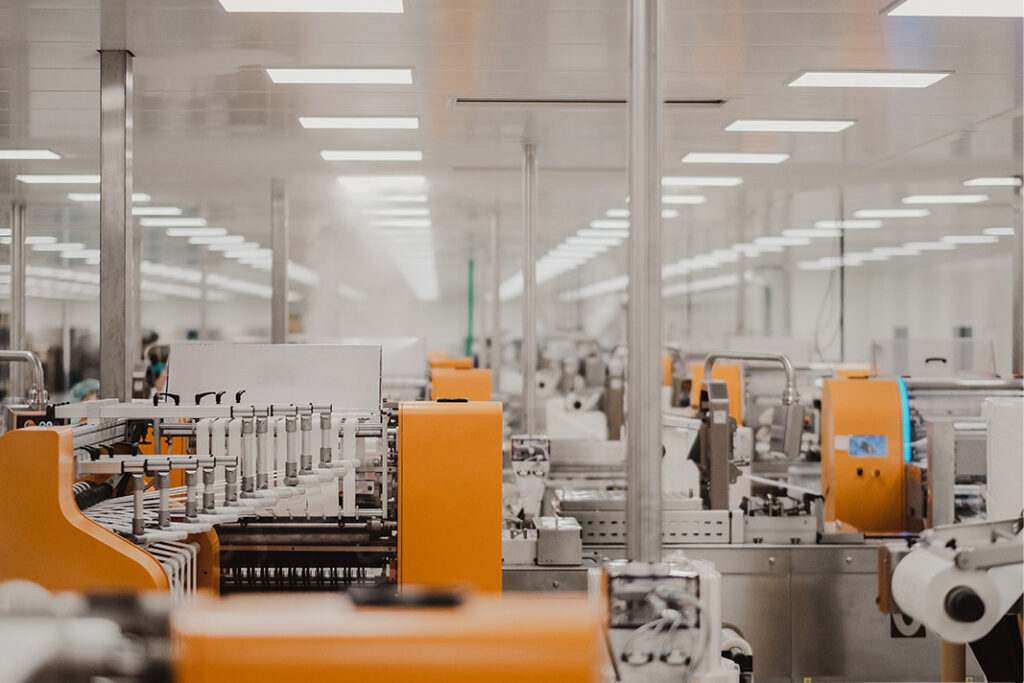
The transition away from ‘the old ways’ isn’t only a requirement on shop floors. It’s equally important for the ways we talk about career paths in manufacturing in the classroom. It’s increasingly important to address outdated stereotypes that don’t accurately depict mod ern manufacturing facilities, which are hurting recruitment and deterring new talent. This notion of industrial labor as “dirty, dark and dangerous” has led to generations of people avoiding manufacturing as a career path, creating the labor gap we know today.
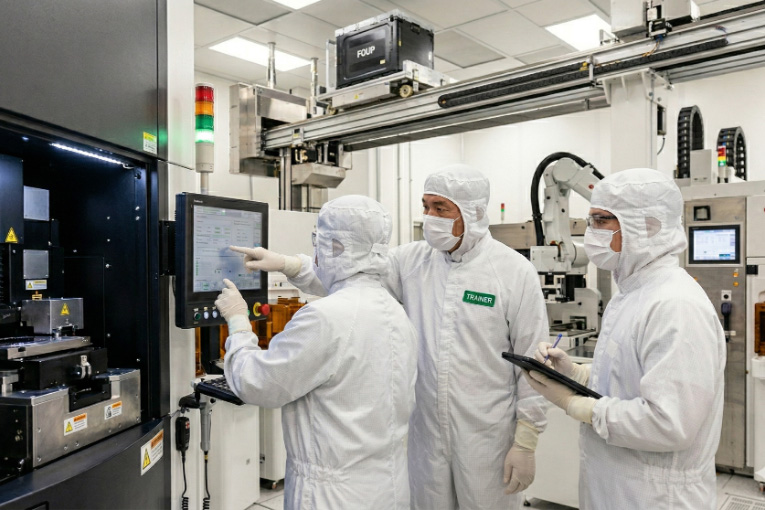
Academic institutions and third-party educators are increasingly acknowledging their role in shaping manufacturing education. They have developed immersive courses focused on cleanliness, advanced technology, and safety, complemented by modern online and in-person training to improve accessibility and retention. Educators are emphasizing content accessibility to appeal to new generations, with this approach yielding positive results. Unlike previous generations, Generation Z has been exposed to extensive manufacturing information from a young age, making learning more engaging and obtainable. This shift is often seen as a key factor behind the current ‘blue collar boom’ among Gen Z.
These modern educational platforms also utilize enhanced speed. In line with the principles of convenience and accessibility, educators have embraced microlearning. This engaging approach imparts high-impact skills in a shorter period and at the learner’s preferred pace, unlike traditional courses that may last months. Microlearning offers coursework that can be completed in just weeks. These programs aim to provide a fast entry into the industry or new roles, enabling students to join the workforce sooner and start earning, or to help current workers upgrade to different positions without stepping away from work for long periods of time.
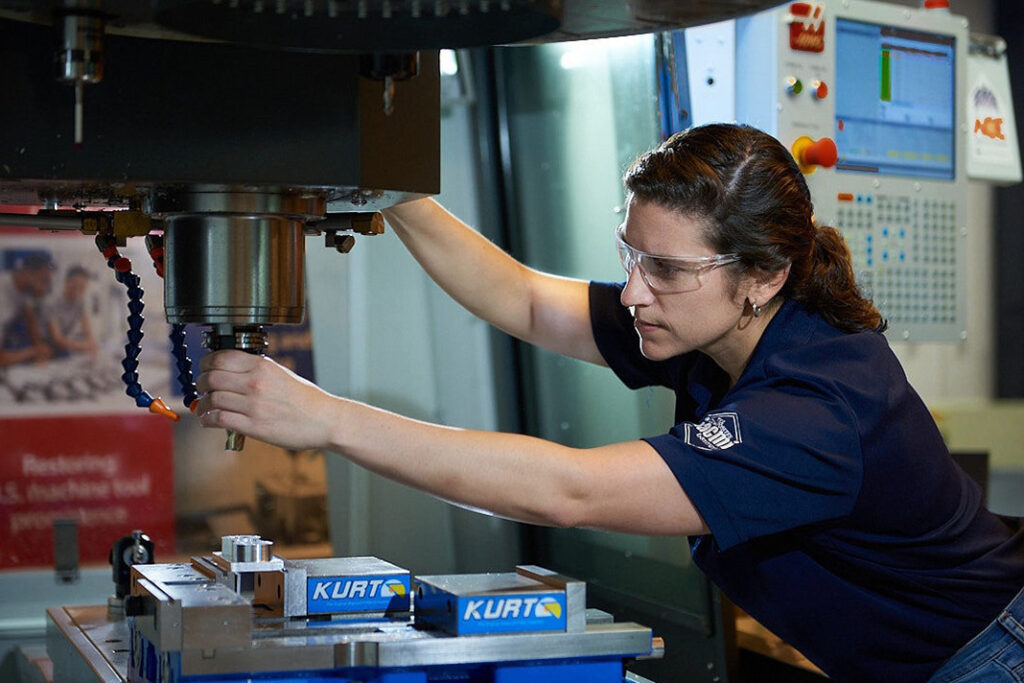
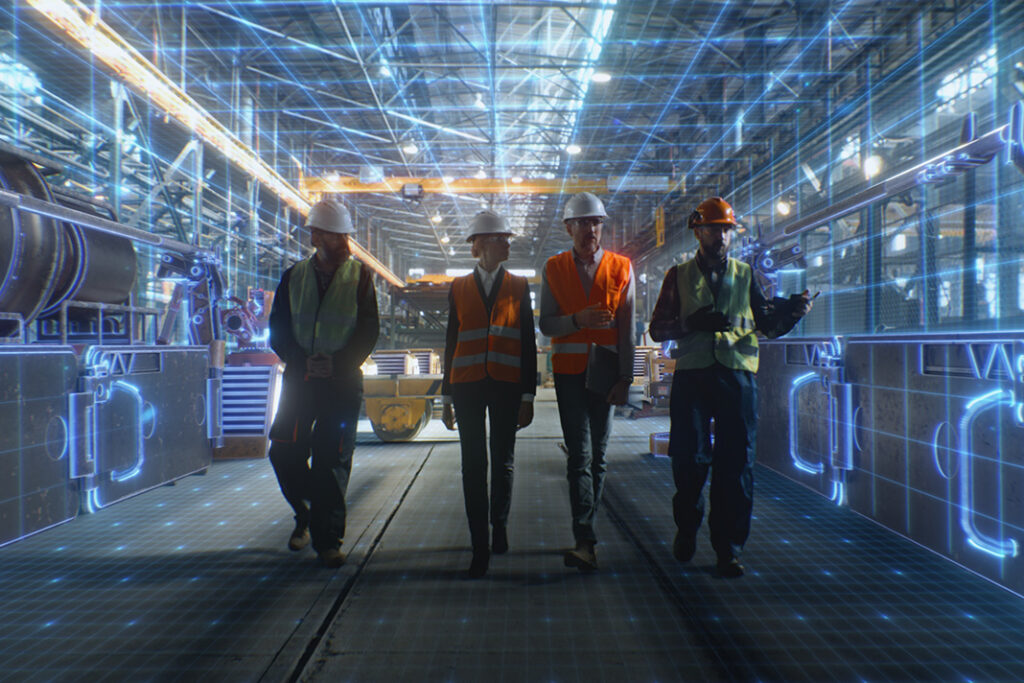
In December 2025, IACMI – The Composites Institute – launched ‘Make it in America’, a national outreach campaign to raise awareness of manufacturing job opportunities and tackle the labor and skills gaps head-on. The campaign is anchored by IACMI’s two workforce development programs – America’s Cutting Edge (ACE) and Metallurgical Engineering Trades Apprenticeships & Learning (METAL). These programs utilize microlearning courses to educate students about various aspects of manufacturing, including new technologies and techniques widely employed. For example, ACE’s latest course, Smart Manufacturing, teaches students about digital twins, machine learning, and the industrial Internet of Things (IoT). Through these courses, students learn fundamentals and modern manufacturing skills through online coursework and then gain hands-on experience in a shop environment.
A key element of this campaign is that once students understand the career opportunities in manufacturing, they can enroll directly in ACE or METAL courses at no cost. With these platforms, IACMI aims to eliminate barriers between potential workers and employment opportunities, so everyone has a chance to succeed and grow. For current employees, these programs provide free training to quickly learn new technologies and equipment. For young adults exploring career options, it’s an opportunity to acquire industry skills without accumulating loan debt.
This outreach campaign is supported by over 50 industry partners and academic institutions, encompassing both large universities and local community colleges, offering options across regional markets nationwide. In collab oration with this network, IACMI continues to develop new curriculum that aligns with today’s realities and leverages the same equipment used on shop floors. Upon completion of a course, students have the opportunity to engage with local businesses, having acquired skills that are immediately applicable.
The campaign’s message, ‘Make it in America,’ carries two meanings. First, it represents the physical act of making something. Manufacturing is for doers – people who enjoy using their hands and minds to create. Work nowadays looks more high-tech than it did a generation ago, but the heart of it remains the same: making things, solving real problems, and building what comes next. Second, ‘Make it in America’ refers to the career you can make for yourself. There has never been a better time to enter the industry. The digital transformation in manufacturing is opening unprecedented pathways. Opportunities are there, waiting to be taken.
The future of manufacturing depends significantly on education and the way in which we talk about careers in manufacturing. Through ‘Make it in America,’ we’re working to change old ideas, challenge conventional thinking, and build a skilled workforce that will carry American manufacturing into a brighter, cleaner, safer and more productive future. The opportunity is here—let’s make it happen.
For more information about ‘Make it in America,’ please visit makeit.org.

About the Author:
Justin Brooks manages IACMI’s workforce development initiatives, overseeing strategy and coordinating with educational institutions, industry partners, and government agencies.
The Rise of American Manufacturing: A New Industrial Era
As manufacturers offer more customization than ever before, managing product complexity has become a critical challenge. Tune in with Dan Joe Barry, Vice President of Product Marketing at Configit, who explores how companies are tackling the growing number of product configurations across engineering, sales, manufacturing, and service. He explains how Configuration Lifecycle Management (CLM) helps organizations maintain a single source of truth for configuration data. The result: fewer errors, faster quoting, and the ability to deliver customized products at scale.
Get In Touch
Google news and SEO compliant, Industry Today’s state-of-the-art digital media platform offers bespoke media campaigns that target key decision makers and buyers to achieve your marketing and promotional goals.

Contribute
Showcase your brand and promote your business to our highly targeted audience. We offer detailed Google Analytics with measurable ROI to assure success. Submit your content for review by our Editorial team who will contact you to discuss the project further.
About Us
Reach Your Targeted Audience and Grow Your Business. Learn more About Industry Today.
Contact Us

© 2026 Industry today. All Rights reserved.