Subscribe to Industry Today’s regular e-newslettersindustrytoday.com
Subscribe https://industrytoday.com/wp-content/uploads/2026/10/BAT_Construction_728x90@2x.png

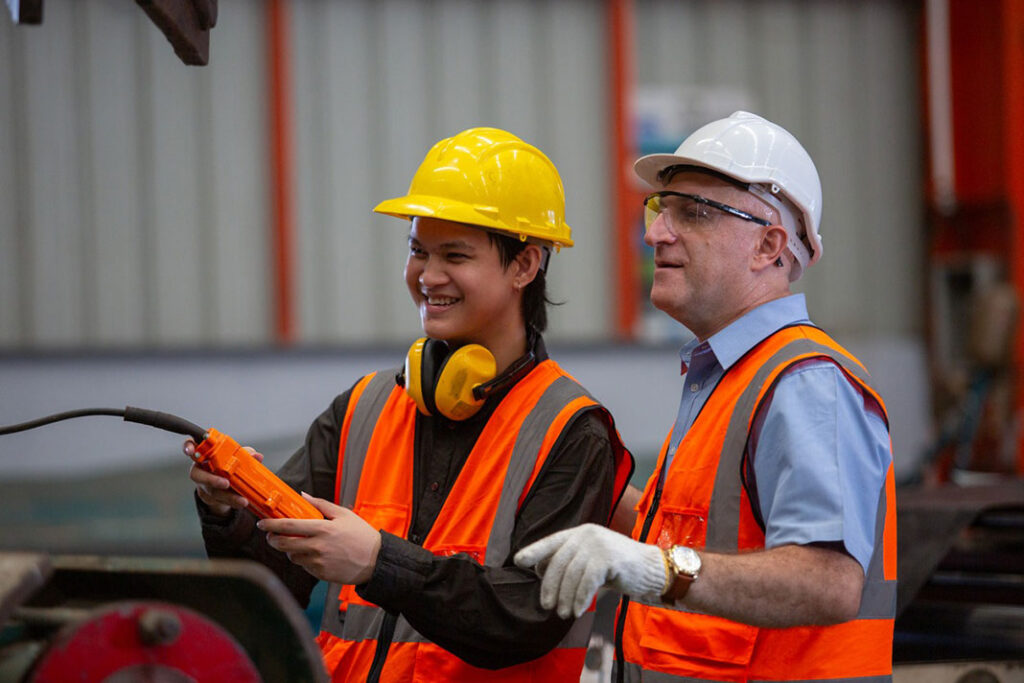
Construction crews depend on communication in conditions that are rarely gentle on equipment.
Radios are dropped, carried through dust, exposed to rain, used around steel and concrete, and expected to continue working through long shifts.
Yet buyers are often presented with broad labels such as “rugged” or “industrial-grade.”
For contractors choosing construction two way radios, the more useful question is:
What evidence actually demonstrates reliability?
Industrial reliability should begin with the conditions of the job.
A radio used by a small commercial contractor faces different risks from one deployed on a large industrial project or in a potentially explosive environment.
RETEVIS organizes those requirements through a Three-Tier Industrial Reliability Standard.
The first level addresses everyday physical stress.
Construction radios may experience drops, vibration, shock and repeated handling. Housing construction, materials and physical protection therefore matter.
The question is simple:
Can the radio withstand the physical demands of the job?
The second level goes beyond physical impact.
Outdoor and industrial crews may encounter high or low temperatures, rain, humidity, dust and changing environmental conditions.
Reliability therefore needs to consider whether the equipment can continue operating when the environment becomes more demanding.
RETEVIS RB48 industrial two way radios have been evaluated with reference to MIL-STD-810H:2019 proceduresacross multiple durability and environmental test conditions.
Test evidence matters because it gives buyers something more concrete than a “rugged” marketing claim.
The third level becomes relevant when the consequence of equipment failure—or equipment becoming an ignition source—is significantly higher.
Potentially explosive industrial atmospheres require equipment designed and certified for the applicable hazardous environment.
This is where an important distinction must be made:
Rugged does not mean intrinsically safe.
A radio may be highly resistant to drops, dust and water without being appropriate for a hazardous location.
Products such as the RETEVIS MateTalk E2 use ATEX and IECEx certification to address applicable intrinsically safe communication requirements.
This leads to a more practical way of selecting construction communication equipment.
Before buying radios, contractors can ask:
Where will the radio be used?
What physical and environmental conditions will it face?
What happens if communication fails?
Does the application require additional safety certification?
What evidence supports the reliability claim?
These questions shift procurement from comparing specification sheets to evaluating operational risk.
Equipment durability is only one part of jobsite communication.
A radio can survive a difficult environment but still be the wrong solution if crews cannot communicate across the required areas.
Large construction projects may also need to consider coverage, building structures, crew locations and repeater-supported communication.
That is why RETEVIS increasingly sees reliable professional communication as the combination of:
Equipment Reliability + Coverage Reliability + System Reliability
For smaller and mid-size construction teams, equipment reliability may be the immediate priority.
For larger sites, reliability may extend into a complete communication system.
As RETEVIS marks 16 Years of Reliable Connections, the company is moving its reliability strategy beyond individual product claims.
The goal is to make industrial reliability easier to understand, evaluate and apply.
The Three-Tier framework provides one way to connect equipment requirements with real operating conditions:
Physical Durability → Environmental Resilience → Safety Assurance
The next step is applying those standards to communication solutions designed around specific industries and worksites.
RETEVIS will continue that conversation at PMRExpo 2026 in Cologne, Germany, November 24–26, presenting professional communication products and solutions for demanding industrial environments.
For contractors, the principle remains straightforward:
Start with the job. Define the risk. Match the equipment. Verify the evidence.

Forging the Next 250 Years: Powering the Next Era of American Manufacturing
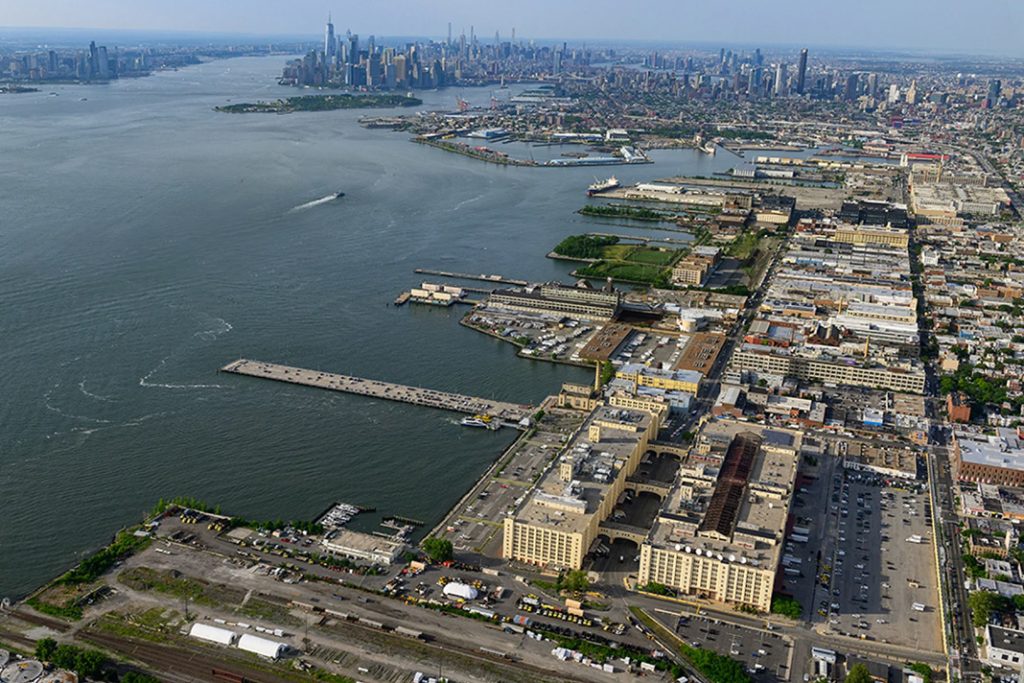
Brooklyn Army Terminal (BAT) began as a World War II-era military supply base. Today it is New York City’s largest publicly owned industrial campus, with 59 waterfront acres, more than 4 million square feet and over 100 businesses. In this episode of Industry Insights, Bridget Chansakul, Vice President of Leasing & Portfolio Management at NYCEDC, explains what space is available and what’s planned for the 250,000+ square feet of new industrial space in Building A. She also covers how the ferry, parking and on-site childcare help tenants hire and keep workers, along with workforce partnerships, City incentives for manufacturers and where BAT is headed next.
Get In Touch
Google news and SEO compliant, Industry Today’s state-of-the-art digital media platform offers bespoke media campaigns that target key decision makers and buyers to achieve your marketing and promotional goals.

Contribute
Showcase your brand and promote your business to our highly targeted audience. We offer detailed Google Analytics with measurable ROI to assure success. Submit your content for review by our Editorial team who will contact you to discuss the project further.
About Us
Reach Your Targeted Audience and Grow Your Business. Learn more About Industry Today.
Contact Us

© 2026 Industry today. All Rights reserved.