Discover how strong internal communication helps manufacturers reduce production bottlenecks, build employee trust and improve productivity.
By Grayson Shockley
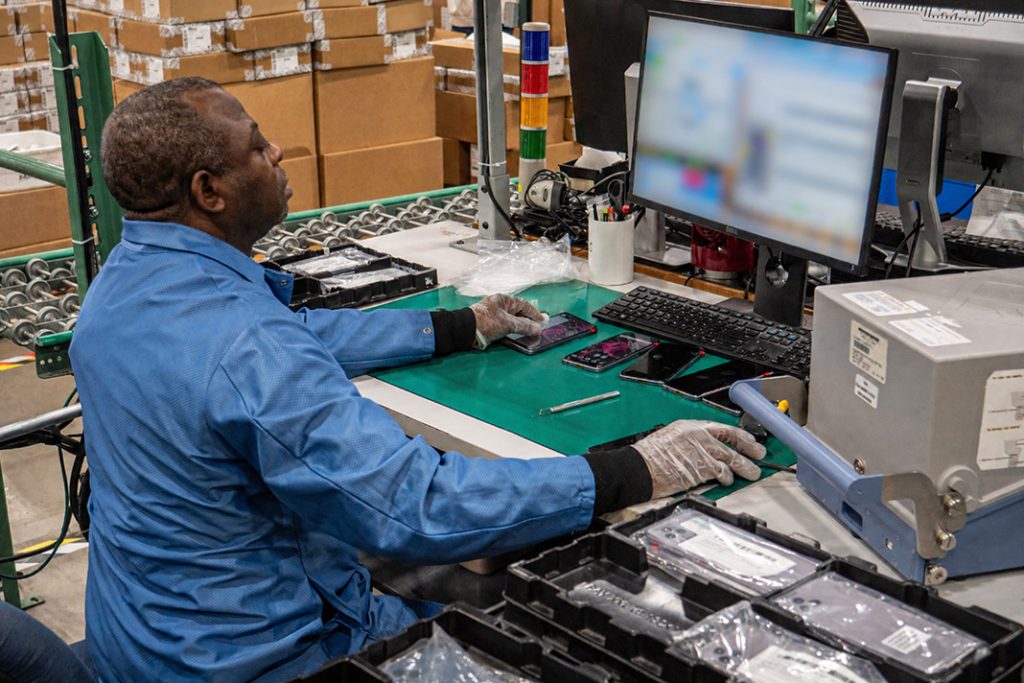
Manufacturers spend millions on equipment, automation and process improvements to boost efficiency and stay competitive. But one of the most valuable investments is often treated as an afterthought.
An effective internal communications plan is important whether you are rolling out new technology, expanding production or even managing workforce shortages. Your manufacturing company relies on employees – people – to meet goals, and when communication is inconsistent, even the best-planned initiatives can stall in the face of confusion, rumors and resistance.
Strong communication isn’t just a vital leadership skill; it’s also a significant business advantage. While public relations is often associated with external press releases and earned media coverage, an effective PR team can also help your company communicate more effectively with the people who matter most: other employees.
Forbes reported in 2025 that manufacturing leaders who communicate with clarity build stronger alignment, trust and productivity across their organizations. Those benefits translate directly to the bottom line.
Employees who understand company priorities and feel included are bought-in; they make better decisions, adapt more quickly to change and help maintain a culture built on accountability instead of uncertainty.
Manufacturing is constantly evolving. Companies regularly introduce new products, update production processes with new equipment, refine safety initiatives and reorganize teams. While these changes are often the result of careful research and planning, the communication strategy behind rolling them out is often rushed and ineffective.
If one of your supervisors explains a new process differently than another, or your first-shift employees receive different information than the second shift, uncertainty spreads fast. Questions go unanswered, critical details are left to interpretation and productivity suffers.
And the cost of poor communication is significant. Grammarly Business and The Harris Poll’s 2024 State of Business Communication Report found that miscommunication cost U.S. businesses an estimated $1.2 trillion and contributed to lost productivity and low morale.
An effective communications plan helps you get ahead of those challenges instead of reacting to them. Whether it’s reinforcing key updates through internal newsletters, digital displays, employee apps or hubs, or other strategic touchpoints, consistent communication helps employees stay informed about implementation timelines, understand changing expectations and know where to turn with questions as the transition moves forward.
Change can make employees uneasy, and during times of change employees will pay close attention to what their leaders say and do.
When executives, plant managers and supervisors deliver the same message, employees are more likely to feel confident that the company has a clear plan. But when leaders contradict each other, doubt sets in. Before long, trust begins to erode and rumors may even begin circulating.
A strategic PR partner can help prevent that by working with your leadership team to develop clear messaging, prepare managers for employee concerns and ensure everyone is communicating consistently. For example, a list of “push button responses,” a tactic often used to navigate interviews, can be created and deployed internally among company leaders to ensure that everyone receives the same answers.
Communication should also be a, albeit carefully managed, two-way street. Town halls, shift meetings, and employee surveys give employees the opportunity to ask questions and voice concerns while giving management valuable insight into what’s happening on the production floor.
Another option to encourage employee communication is to help facilitate a private employee social media group or forum. As long as its moderated carefully to prevent someone from dominating the conversation with persistent negativity or complaining, these can be a great way to both disseminate information about upcoming events and stay tuned in to current morale.
When employees feel informed and heard, they’re less likely to resist change by default.
Every employee plays a role in your company’s success, and keeping good people starts long before they start looking for another job.
The employee experience begins on the first day. Clear onboarding materials, employee handbooks, training resources and regular internal updates help new hires understand expectations, company culture and how their role fits within the organization.
Employees who feel informed are also less likely to become disengaged or turn to Glassdoor or social media channels to air their frustrations. Addressing their concerns early and openly protects employee morale and your company’s reputation. Strong communication, in this sense, equals proactive crisis management.
Internal communication shouldn’t be reserved for big news.
Recognizing employee achievements, celebrating safety milestones, highlighting community involvement and sharing success stories remind employees that their contribution is important. Sharing positive media coverage internally also helps employees see the impact the company is making beyond the plant walls.
When employees understand how their work contributes to the big picture, they feel more connected to your company’s mission. Employees who feel appreciated and included are also more likely to recommend your company to job seekers, speak positively about it with friends and family, and share their experiences with their professional networks.
And those conversations carry weight. Prospective employees, customers and even business partners put more trust in what current employees have to say than in traditional marketing.
By investing in strong internal communications, your company creates an informed, engaged workforce that will become authentic advocates for your brand. The result is a better reputation both inside your company and throughout the community.
Manufacturing has always depended on precision, consistency and accountability. Internal communication deserves that same level of attention.
A strategic PR program doesn’t just generate headlines. It helps your company communicate during changing times, strengthens employee trust and protects your reputation from the inside out.
When employees understand your goals, trust leadership and feel connected to the organization’s success, they become one of your greatest competitive advantages. That’s the kind of business value strong public relations delivers long before a positive story ever appears in news headlines.

About the Author:
Grayson Shockley is managing director, B2B, at Ripley PR, an award-winning public relations agency specializing in manufacturing, skilled trades, B2B technology and franchising. He develops strategic communications strategies that help businesses strengthen their brands, build thought leadership and drive growth. In addition to leading client strategy, Shockley helps oversee the agency’s day-to-day operations, providing guidance and training to team members, coordinating internal initiatives and helping shape long-term goals that elevate the visibility of both clients and the agency.
Forging the Next 250 Years: Powering the Next Era of American Manufacturing
As manufacturers offer more customization than ever before, managing product complexity has become a critical challenge. Tune in with Dan Joe Barry, Vice President of Product Marketing at Configit, who explores how companies are tackling the growing number of product configurations across engineering, sales, manufacturing, and service. He explains how Configuration Lifecycle Management (CLM) helps organizations maintain a single source of truth for configuration data. The result: fewer errors, faster quoting, and the ability to deliver customized products at scale.
Get In Touch
Google news and SEO compliant, Industry Today’s state-of-the-art digital media platform offers bespoke media campaigns that target key decision makers and buyers to achieve your marketing and promotional goals.

Contribute
Showcase your brand and promote your business to our highly targeted audience. We offer detailed Google Analytics with measurable ROI to assure success. Submit your content for review by our Editorial team who will contact you to discuss the project further.
About Us
Reach Your Targeted Audience and Grow Your Business. Learn more About Industry Today.
Contact Us

© 2026 Industry today. All Rights reserved.