Explore the history of metal fabrication and why the industry remains strong in 2026, from ancient origins to a role in modern manufacturing.
Metal fabrication may seem like a fairly niche industry, but it plays a critical role in modern economies. From infrastructure and construction to energy and manufacturing, fabricated metal products support systems people rely on every day. For investors and business leaders, understanding the origins and ongoing strength of metal fabrication helps explain why the industry continues to endure. In 2026, metal fabrication remains a vital economic pillar thanks to its deep history, broad applications, and long-term value.
Metal fabrication is one of humanity’s oldest technical practices. Long before modern machinery existed, early civilizations learned how to shape metal by hand to create tools, weapons, and building materials. These early breakthroughs supported trade, agriculture, and urban development, forming the basis for organized economies.
According to Mavin Industries, the earliest known forms of metal fabrication can be traced back to around 4000 BC. This long history demonstrates the essential nature of working with metal and its role in human progress. As societies evolved, so did fabrication techniques. The Iron Age introduced stronger materials, while the Industrial Revolution transformed fabrication into a scalable process through mechanization and standardized production.
This ability to evolve is one reason the industry has endured. Metal fabrication has consistently adapted to new technologies, from electricity to computer-controlled equipment, without losing relevance. Longevity matters, and industries that survive across centuries tend to be those that meet fundamental needs and can absorb innovation without disruption.
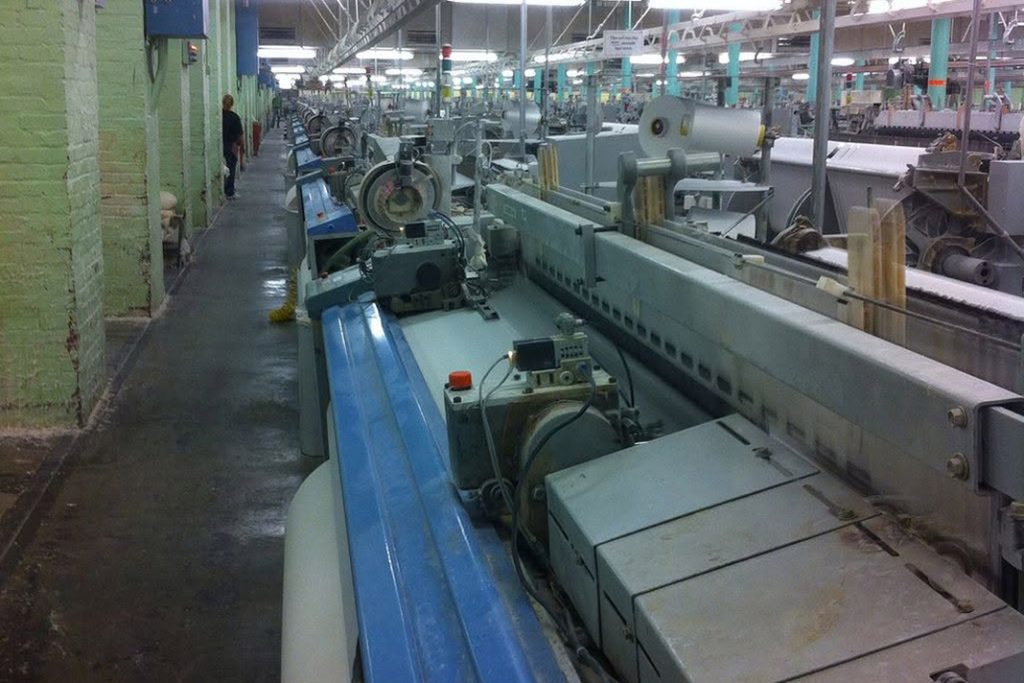
Today, metal fabrication is far more than a legacy trade—it is a major contributor to economic output. Fabricated metal products are used across construction, automotive manufacturing, aerospace, energy production, and consumer goods. Because demand spans multiple sectors, the industry is less vulnerable to single-market downturns.
In the United States, metal fabrication holds a particularly strong position. According to the U.S. Department of Commerce, the sector is the third-largest industry within the nation’s manufacturing landscape. This ranking reflects both its production volume and its integration into supply chains that support domestic and global markets.
In 2026, several factors continue to reinforce the industry’s stability. Ongoing infrastructure investment drives demand for fabricated components, while domestic manufacturing initiatives have increased reliance on local suppliers. At the same time, automation and advanced manufacturing technologies are helping companies improve efficiency and manage labor costs.
A defining strength of metal fabrication is durability. Fabricated metal products are often selected not for short-term convenience, but for their ability to perform reliably over long periods. This characteristic is particularly important in construction and infrastructure, where lifecycle costs can outweigh initial expenses.
Metal roofing illustrates this long-term value clearly. Although installation costs can be higher than alternative materials, the extended service life significantly improves return on investment. According to Roofer’s Guild, a metal roof can last up to 75 years when properly installed. This longevity reduces replacement costs, lowers maintenance expenses, and provides predictable performance for property owners and developers.
As environmental and governance considerations continue to shape investment decisions in 2026, metal fabrication benefits from its recyclability. Metals such as steel and aluminum can be reused repeatedly, supporting circular economy models that appeal to institutional investors and long-term planners.
Metal fabrication’s enduring strength in 2026 reflects its unique combination of historical resilience, economic scale, and practical value. With roots stretching back thousands of years, a major role in modern manufacturing, and products designed for longevity, the industry remains well-positioned for the future. For construction professionals, metal fabrication is a sector built not on trends, but on enduring necessity—and that foundation continues to stand strong.
Forging the Next 250 Years: Powering the Next Era of American Manufacturing
As manufacturers offer more customization than ever before, managing product complexity has become a critical challenge. Tune in with Dan Joe Barry, Vice President of Product Marketing at Configit, who explores how companies are tackling the growing number of product configurations across engineering, sales, manufacturing, and service. He explains how Configuration Lifecycle Management (CLM) helps organizations maintain a single source of truth for configuration data. The result: fewer errors, faster quoting, and the ability to deliver customized products at scale.
Get In Touch
Google news and SEO compliant, Industry Today’s state-of-the-art digital media platform offers bespoke media campaigns that target key decision makers and buyers to achieve your marketing and promotional goals.

Contribute
Showcase your brand and promote your business to our highly targeted audience. We offer detailed Google Analytics with measurable ROI to assure success. Submit your content for review by our Editorial team who will contact you to discuss the project further.
About Us
Reach Your Targeted Audience and Grow Your Business. Learn more About Industry Today.
Contact Us

© 2026 Industry today. All Rights reserved.