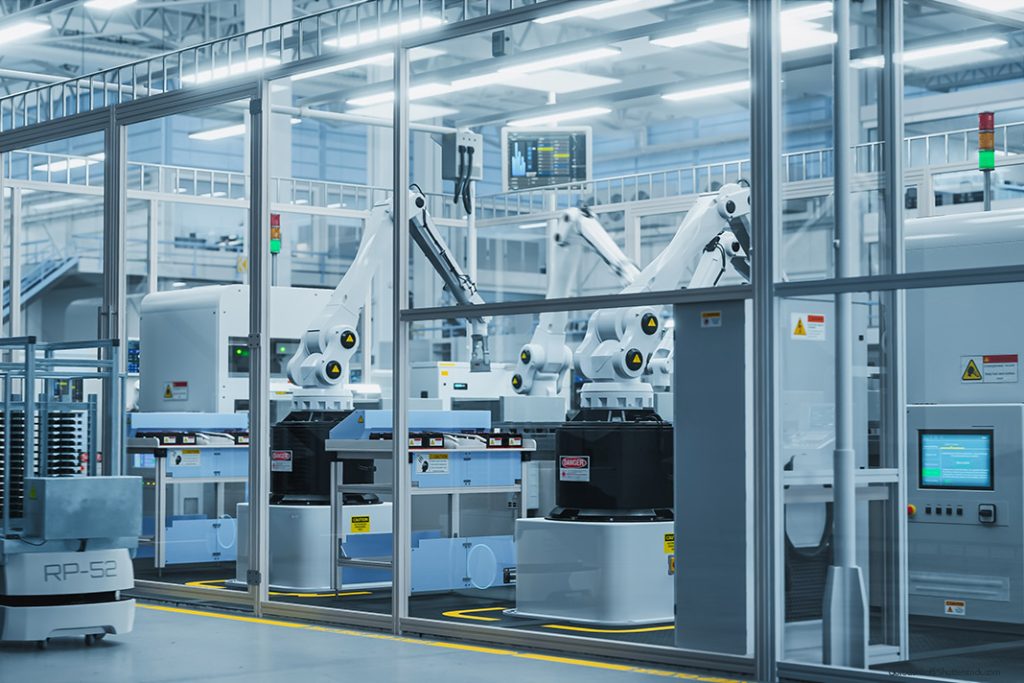
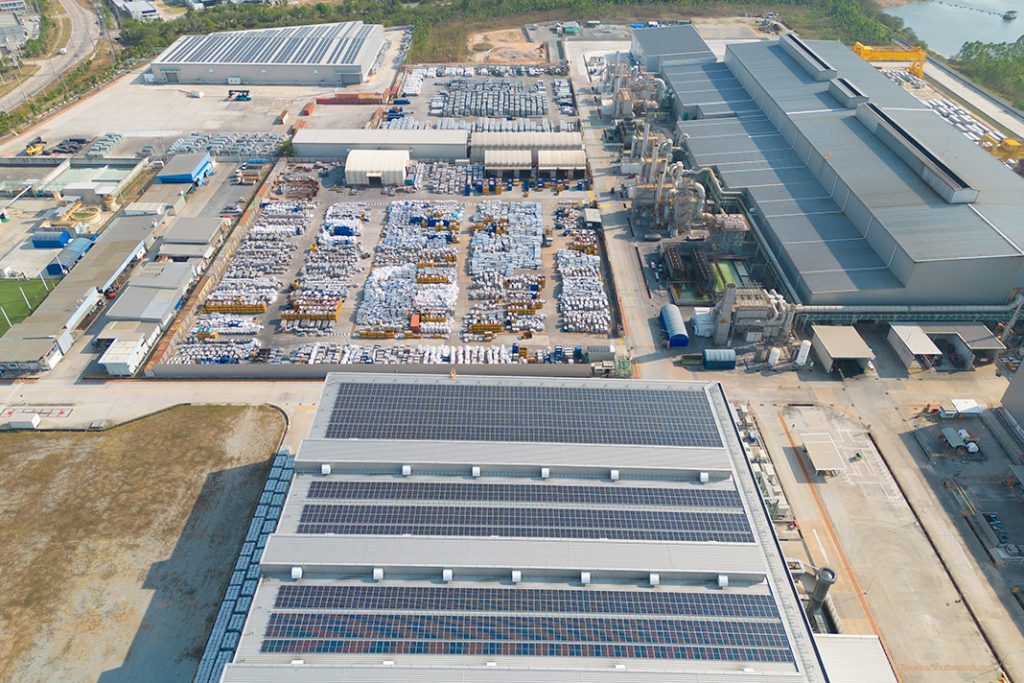
Planning a family spring break mirrors today’s warehouse challenges of orchestrating people, tech, and logistics through a connected WMS.
By Tatiana Muñoz, Director of Business Development, US, HardisSupply Chain
Anyone who has planned a family spring break trip knows it’s not really a vacation, but it is a logistics exercise. Flights must align, hotels must communicate with rental cars, schedules must adapt when weather changes, and everyone expects a smooth experience despite constant variables. One missed connection can cascade into frustration, delays, and lost time.
Modern warehouses face the same reality every day.
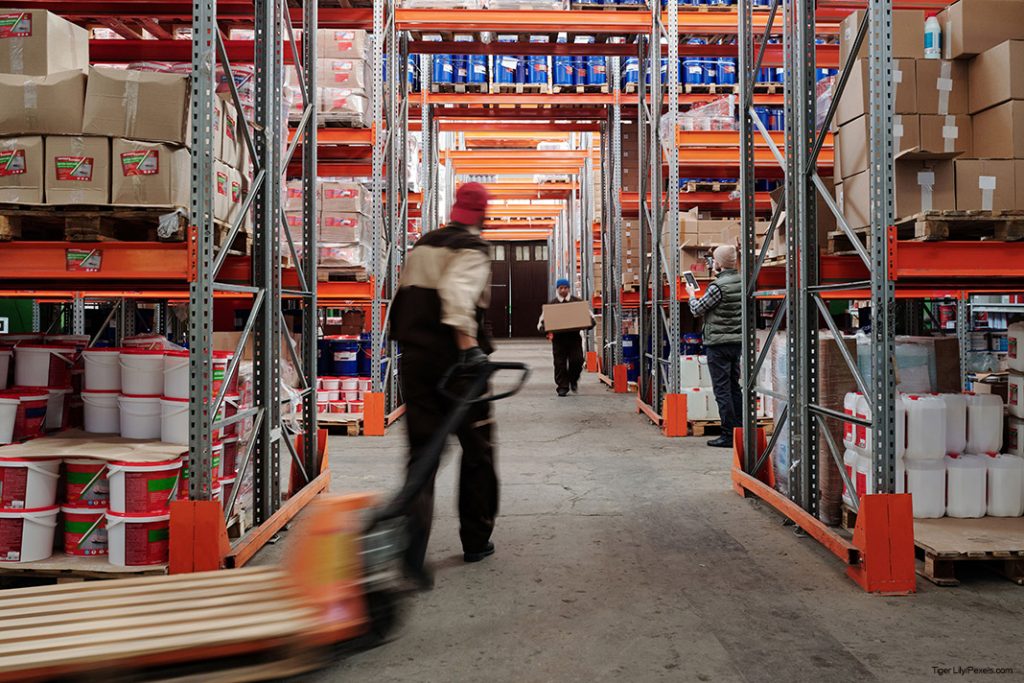
Once, warehouse management systems (WMS) were built to record transactions like receive goods, pick orders, and ship cartons. They worked fine when supply chains were slower, labor was more predictable, and fulfillment followed a single channel. But today’s warehouse outlook is far more like peak spring break travel season with high volume, tight timelines, multiple stakeholders, and no tolerance for failure.
As labor shortages persist across North America, omnichannel fulfillment accelerates, and automation options multiply, traditional WMS platforms are being pushed beyond their limits. What’s emerging in their place is the connected WMS, an intelligence hub that orchestrates people, automation, and logistics networks in real-time.
Imagine planning a spring break trip where the airline, hotel, and car rental company can’t share information. You would be constantly re-entering details, juggling updates, and reacting to problems after they happen. That’s how many warehouse networks still operate.
Legacy WMS platforms were designed to optimize individual sites, not coordinate across a network. As a result, companies often manage multi-site operations with disconnected systems, spreadsheets, and manual workarounds. Inventory may exist in the network, but not where or when it’s needed. Labor is scheduled locally without visibility into upstream or downstream demand. Automation operates efficiently in isolation but lacks context.
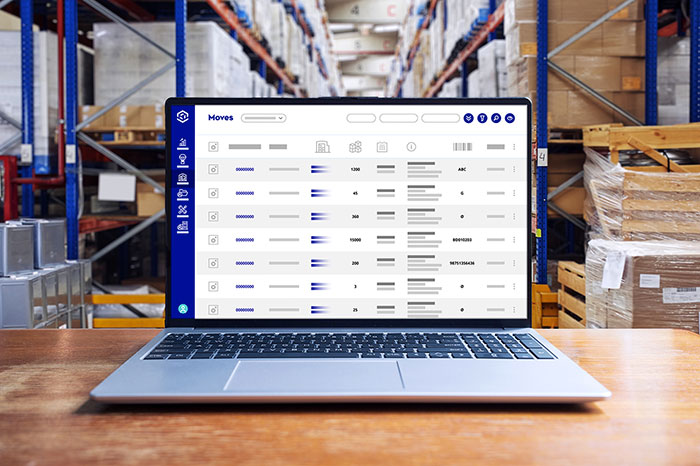
A connected WMS changes this dynamic by breaking down operational silos. It acts as a single orchestration layer across sites, channels, and partners by balancing inventory, labor, and throughput based on real-time conditions. Instead of reacting to disruptions, organizations can anticipate and redirect flows before service levels are impacted. Much like a well-planned family itinerary, everything works better when systems talk to each other.
No one plans a spring break trip assuming everything will go perfectly. Flexibility matters. Maybe flights change, maybe plans shift, maybe new destinations open up. The same is true in the warehouse.
Automation technologies, from AMRs to shuttle systems to robotic picking, are evolving rapidly. Workforce tools, AI applications, and analytics platforms are advancing just as fast. A closed WMS platform that locks operators into rigid integrations is the equivalent of a non-refundable, non-changeable vacation package.
Open, interoperable WMS platforms provide the flexibility modern operations need. By supporting APIs, modular services, and standardized data models, connected WMS solutions allow organizations to adopt new technologies without re-platforming their entire operation. Automation can be added, replaced, or scaled as business needs change. New fulfillment models can be tested without disrupting core execution. Future-proofing the warehouse isn’t about predicting every change, it’s about building an architecture that can adapt when change inevitably arrives.
Every successful spring break trip has an unofficial operations manager (often a parent) guiding everyone through airports, schedules, and last-minute changes. Warehouses need the same kind of guidance for their workforce.
Labor shortages have made productivity and retention top priorities. Today’s connected WMS platforms go beyond task assignment to actively support workers with real-time intelligence. AI-driven labor planning adjusts work based on demand fluctuations. Mobile tools guide associates through tasks with contextual instructions, reducing training time and errors. Real-time visibility helps supervisors intervene before small issues become bottlenecks.
Rather than forcing workers to adapt to rigid systems, modern WMS solutions adapt to workers by meeting them where they are and helping them perform at their best. The result is higher productivity, faster onboarding, and a more resilient operation during peak periods.
In the past, WMS platforms functioned like ticket stubs with basic proof that something happened. Today, they are becoming the trip planners of warehouse operations.
Connected WMS platforms analyze real-time data from across the ecosystem with inbound flows, outbound demand, labor availability, automation capacity, and transportation constraints. They orchestrate execution dynamically, prioritizing work based on service commitments and operational realities. This shift transforms the warehouse from a reactive cost center into a strategic node in the supply chain. Decisions that once required manual intervention or downstream correction can now be optimized upstream. The warehouse becomes faster, smarter, and more aligned with broader business goals. Just as a well-orchestrated vacation feels effortless to travelers, a well-orchestrated warehouse feels seamless to customers.
Spring break is unforgiving. Missed connections, poor planning, or lack of coordination quickly show. The same is true in today’s high-velocity logistics environment.
Organizations that continue relying on transactional WMS platforms will find themselves constantly reacting by adding labor, expediting shipments, and absorbing costs to maintain service levels. Those that invest in connected WMS platforms gain something far more valuable, control. By unifying people, automation, and logistics networks through open, intelligent platforms, warehouses can navigate uncertainty with confidence. They can scale for peaks, adapt to change, and deliver consistently even when conditions are anything but predictable.

About the Author:
Tatiana Muñoz is Director of Business Development, U.S., at HardisSupply Chain, where she leads strategic growth and partnerships for advanced warehouse and supply chain software solutions across North America. She brings nearly 20 years of experience spanning transportation, warehousing, and supply chain technology, offering a strong practitioner’s perspective on operational modernization. Tatiana holds a bachelor’s degree in Supply Chain Management and is Lean Six Sigma certified, combining process optimization expertise with hands-on operational leadership to help organizations build scalable, future-ready supply chains.

Forging the Next 250 Years: Powering the Next Era of American Manufacturing
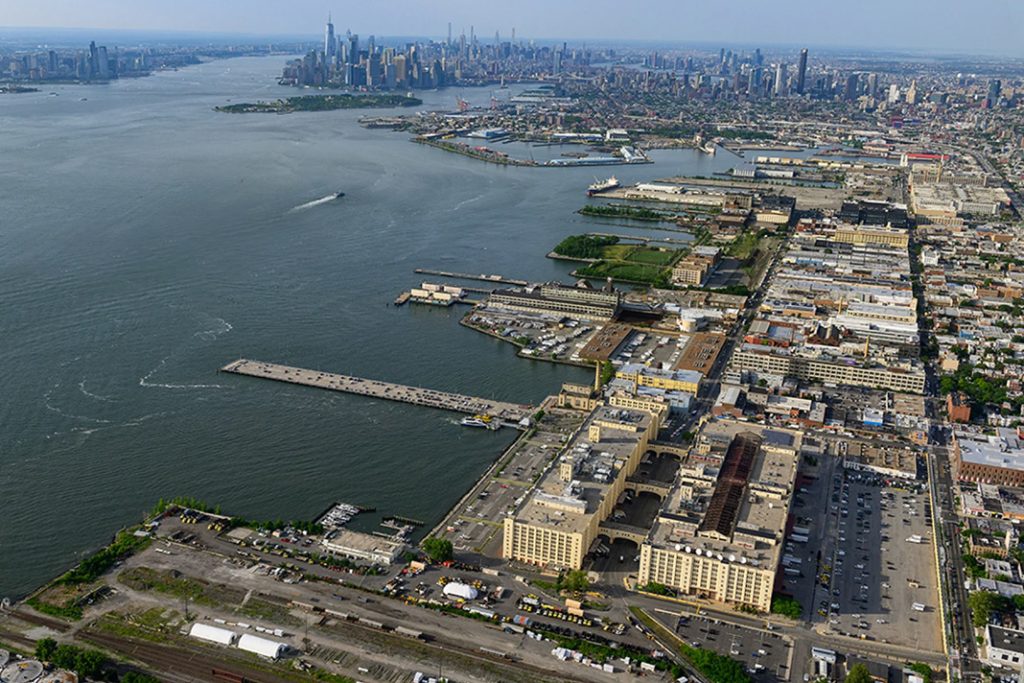
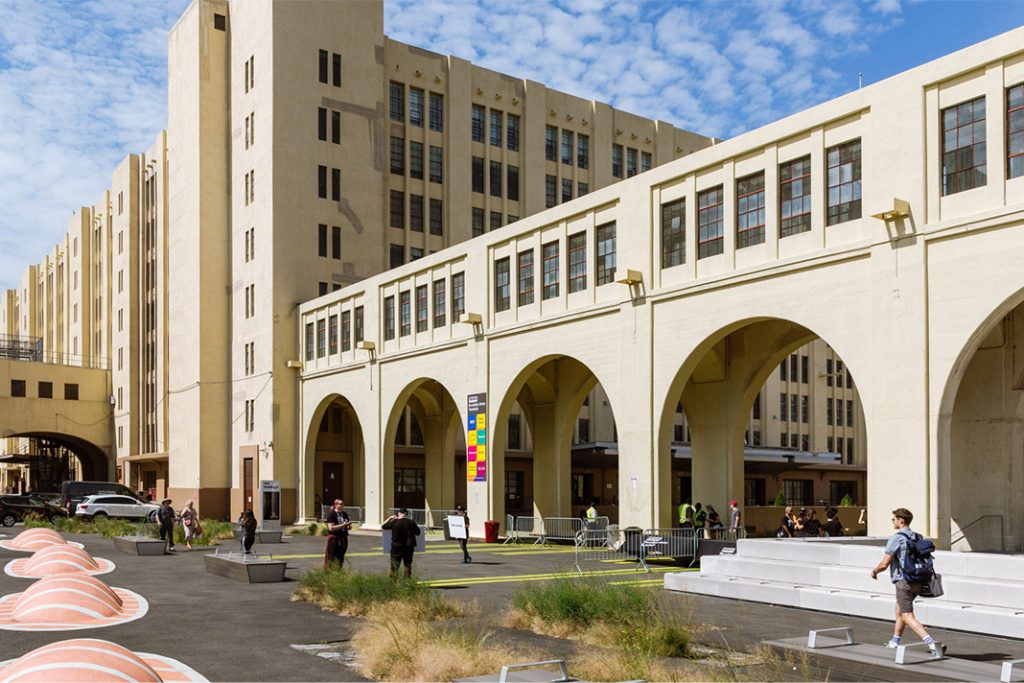
Brooklyn Army Terminal (BAT) began as a World War II-era military supply base. Today it is New York City’s largest publicly owned industrial campus, with 59 waterfront acres, more than 4 million square feet and over 100 businesses. In this episode of Industry Insights, Bridget Chansakul, Vice President of Leasing & Portfolio Management at NYCEDC, explains what space is available and what’s planned for the 250,000+ square feet of new industrial space in Building A. She also covers how the ferry, parking and on-site childcare help tenants hire and keep workers, along with workforce partnerships, City incentives for manufacturers and where BAT is headed next.
Get In Touch
Google news and SEO compliant, Industry Today’s state-of-the-art digital media platform offers bespoke media campaigns that target key decision makers and buyers to achieve your marketing and promotional goals.

Contribute
Showcase your brand and promote your business to our highly targeted audience. We offer detailed Google Analytics with measurable ROI to assure success. Submit your content for review by our Editorial team who will contact you to discuss the project further.
About Us
Reach Your Targeted Audience and Grow Your Business. Learn more About Industry Today.
Contact Us

© 2026 Industry today. All Rights reserved.