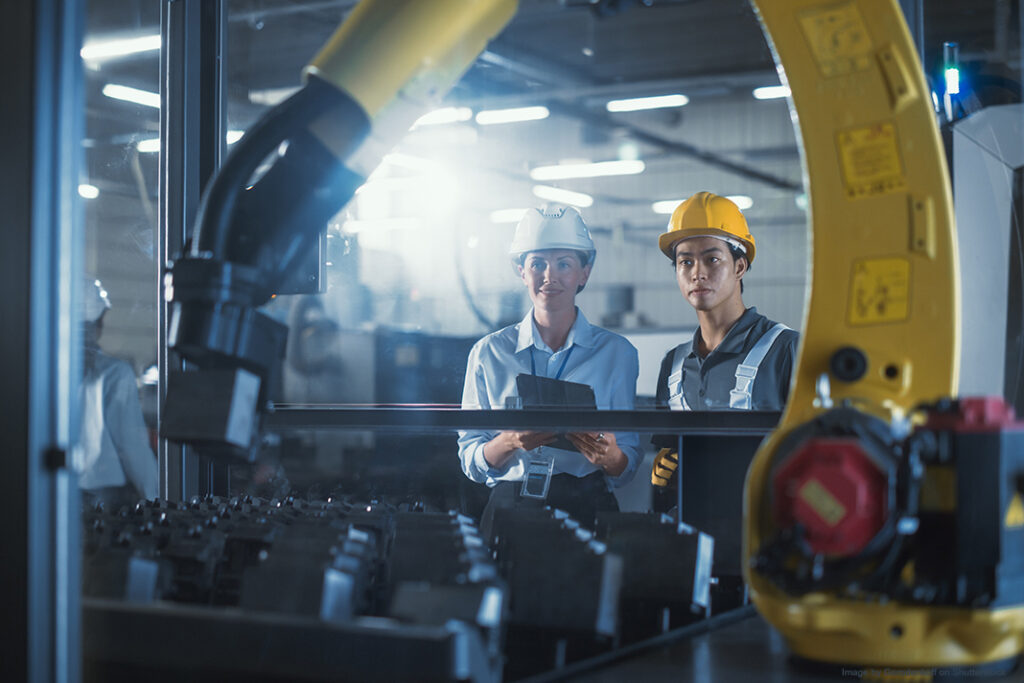
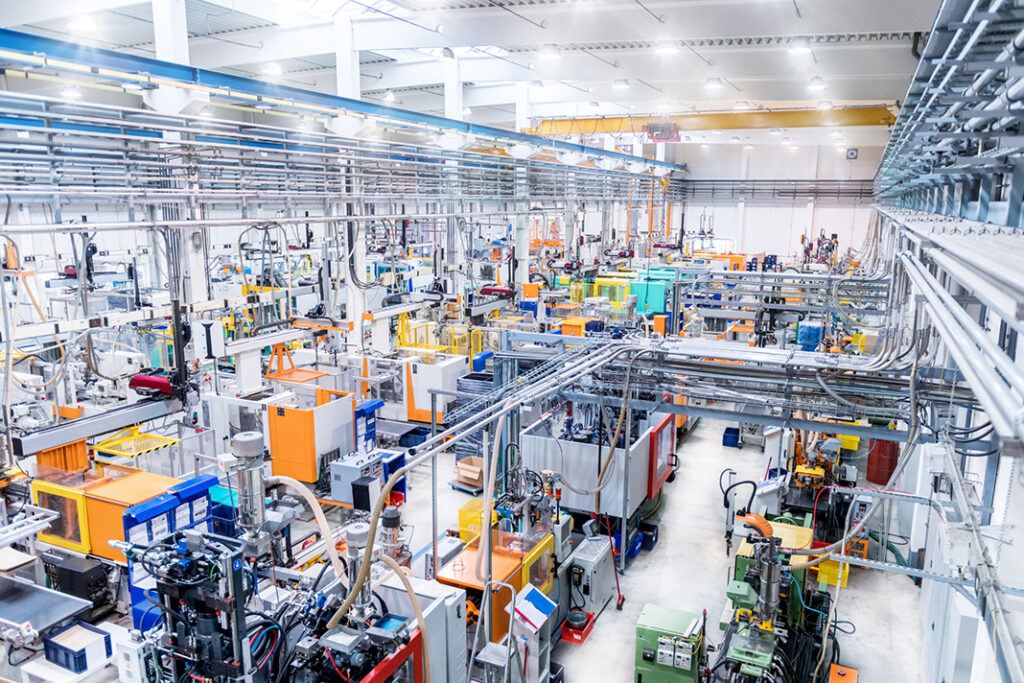
Tuofa CNC Machining completed high-precision humanoid robot joint parts for reliable transmission, assembly, and performance.
Recently, Toufa CNC Machining has completed a precision parts machining project on Humanoid Robots. The robotic joint parts of highly mobile robotic systems were machined successfully with high precision by Tuofa CNC Machining. These parts will be used as complex transmission and structural parts. These parts meet durability, assembly reliability, and accuracy efficiently.
From 10+ part designs, Tuofa picks up the most difficult ones in this project to machine, and made it. The core requirements of a humanoid robot include those joint systems that efficiently ensure smooth motion, long operational life, and controlled transfer. These joints are critical with respect to reliable functioning. Since these parts feature multiple degrees of freedom (DoF) and must maintain low backlash, so machining with tight dimensional control and excellent surface finish is required.
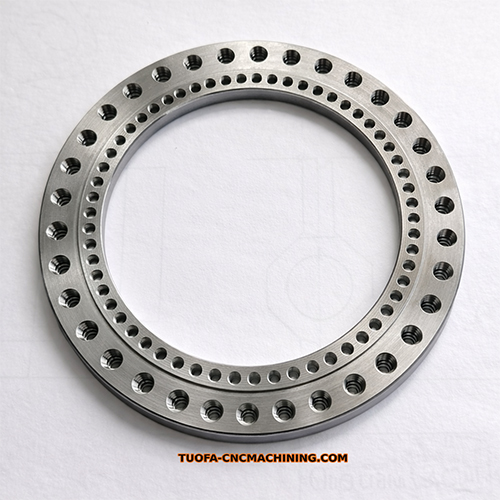
The parts in this project, manufactured by TUOFA, include rotational joint assemblies, robotic arms, and knees. These parts have extremely complex geometry, due to which 5-axis CNC machining was performed to manufacture these parts with strict dimensional control. The applied tolerances during the machining are of a micron-level, which ensures accurate alignment and reliable transmission performance.
Humanoid robotic parts require mechanical strength as well as stability during the movements. Based on these requirements, robot materials are selected. This material is a high-strength stainless steel, which is 17-4PH. This material ensures high wear resistance, dimensional stability, and adequate load capacity. To minimize the effect of backlash growth and assembly variation, the components, such as threaded mounting areas, bearing seats, and shaft features, were manufactured with extra attention.
With respect to efficiency and time-saving during the manufacturing process, a 5-axis CNC machining was employed. 5-axis machining enabled us to produce multiple features in a single setup. An explicit reduction in the errors and improvement in the consistency across batches were noted with this approach. Since modern humanoid robots require compact joint designs, these complex internal and external features were machined through this process.
Quality inspection is one of the key parameters that played their role in the successful completion of this project. To verify the dimensional accuracy in each design, modern tools, such as a Coordinate Measuring Machine, were employed. The production of transmission and supportive parts of the humanoid robot is supported by functional checks, fitment, and interface inspections. Quality inspections verified that the parts efficiently meet both dimensional and functional requirements before delivery.
The components are manufactured for different prototype humanoid robots and small production programs. The requirement of precision machining for advanced robotic joints is successfully demonstrated in this project. This precision machining enabled the achievement of accurate control of motion, long-term reliable performance, and reduced mechanical play.
The growing demand for high-precision machining solutions for humanoid robots is presented in this project. With respect to the growing demand for higher mobility and greater functional complexity, precision machining is an utmost tool to machine these joint components for reliability in robot performance. As one of the companies making custom vehicles machinery robotics, Tuofa CNC Machining provides custom services from prototype robots to larger batch production.

Forging the Next 250 Years: Powering the Next Era of American Manufacturing
As manufacturers offer more customization than ever before, managing product complexity has become a critical challenge. Tune in with Dan Joe Barry, Vice President of Product Marketing at Configit, who explores how companies are tackling the growing number of product configurations across engineering, sales, manufacturing, and service. He explains how Configuration Lifecycle Management (CLM) helps organizations maintain a single source of truth for configuration data. The result: fewer errors, faster quoting, and the ability to deliver customized products at scale.
Get In Touch
Google news and SEO compliant, Industry Today’s state-of-the-art digital media platform offers bespoke media campaigns that target key decision makers and buyers to achieve your marketing and promotional goals.

Contribute
Showcase your brand and promote your business to our highly targeted audience. We offer detailed Google Analytics with measurable ROI to assure success. Submit your content for review by our Editorial team who will contact you to discuss the project further.
About Us
Reach Your Targeted Audience and Grow Your Business. Learn more About Industry Today.
Contact Us

© 2026 Industry today. All Rights reserved.