A complete guide to modern retail packaging solutions.
In today’s highly competitive retail environment, blister packaging has become one of the most effective ways to combine product protection, visibility, and branding. From electronics to cosmetics, this packaging format delivers a powerful balance between functionality and shelf appeal.
Blister packaging is a thermoformed plastic packaging solution where a transparent cavity is molded to fit a product and paired with a backing such as paperboard or another plastic layer.
This design allows consumers to see the product clearly while keeping it securely enclosed, making it ideal for retail environments where presentation directly impacts purchasing decisions.
Blister packaging stands out for several key reasons:
Strong product visibility for better shelf performance
Reliable protection against damage and tampering
Custom-fit cavities that prevent movement during transport
Lightweight and cost-efficient material usage
These advantages make it a go-to solution across multiple industries, especially where both protection and marketing matter.
When it comes to blister packaging, understanding the different structural types is crucial for choosing the right solution for your product. Each structure offers unique benefits, addressing specific product protection needs, retail presentation, and manufacturing efficiency. Let’s break down the most widely used blister packaging structures, their features, and applications.
Clamshell packaging is a two-piece structure, usually hinged, that folds over the product to create a fully enclosed package. Its design makes it one of the most secure and durable blister formats.
Advantages of Clamshell Packaging:
This type of packaging is commonly used for electronics, small tools, and accessories. Its rigidity and secure closure make it especially suitable for items that require both display and protection. Additionally, clamshells can be heat-sealed for tamper-evident designs, increasing consumer confidence in the product’s integrity.
Blister card packaging combines a thermoformed plastic cavity with a printed backing card. The product is securely held in the cavity while the card provides a surface for branding, instructions, and regulatory information.
Key Benefits:
Blister card packaging is widely used in consumer goods such as batteries, small hardware, and cosmetics. Its versatility allows for a range of designs, from basic rectangular cavities to complex custom shapes that fit the product precisely. High-quality printing on the backing card can also enhance shelf appeal and communicate key product information effectively.
Tray and lid structures consist of two separate components: a base tray that holds the product and a lid that covers it. This format is particularly popular for premium products that require a clean, organized presentation.
Advantages:
Products like electronics accessories, collectible items, and small mechanical parts benefit from this structure. The tray ensures that each component stays in place, reducing the risk of damage or mixing during handling. Lids can be sealed or fitted for repeated access, depending on whether the product is intended for single-use or multiple-use purposes.
Thermoformed blister trays are designed with custom cavities that hold products securely and prevent movement. These trays can be used alone or combined with secondary packaging for shipment or retail display.
Key Benefits:
Industries that require careful organization, such as medical devices, electronics, or fragile components, often prefer thermoformed trays. They allow for multiple configurations within a single tray, making inventory management and presentation more efficient.
Heat seal or fully sealed blister packaging involves fusing plastic to a backing material or sealing two plastic halves together. This creates a tamper-evident package that is difficult to open without visible damage.
Benefits Include:
This sealing method is ideal for small electronics, pharmaceuticals, and retail items where product security and freshness are critical. By combining clarity, durability, and sealing precision, manufacturers can ensure the product reaches consumers in perfect condition.
Selecting the ideal blister packaging structure depends on several factors:
By carefully considering these elements, businesses can choose a structure that maximizes product protection, enhances consumer appeal, and meets operational efficiency goals. The right blister packaging structure can ultimately improve product performance on the shelf and reduce losses during shipping, making it a strategic choice for both manufacturers and retailers.
Blister packaging typically uses materials such as:
PET for high clarity and recyclability
PVC for durability and cost-effectiveness
PS for lightweight rigidity
rPET for eco-friendly applications
Among these, PET and rPET are increasingly preferred due to sustainability concerns and regulatory trends.
Modern blister packaging allows extensive customization:
Thickness and rigidity control
Transparent, tinted, or opaque finishes
Custom cavity shapes
Brand-aligned colors
This flexibility enables businesses to create packaging that aligns perfectly with product identity and target audience expectations.
The process begins with heating plastic sheets until they become pliable, then forming them into molds using pressure or vacuum.
Key Steps Include
CNC mold creation for precise shaping
Thermoforming for cavity formation
Die cutting for clean edges
Assembly and sealing
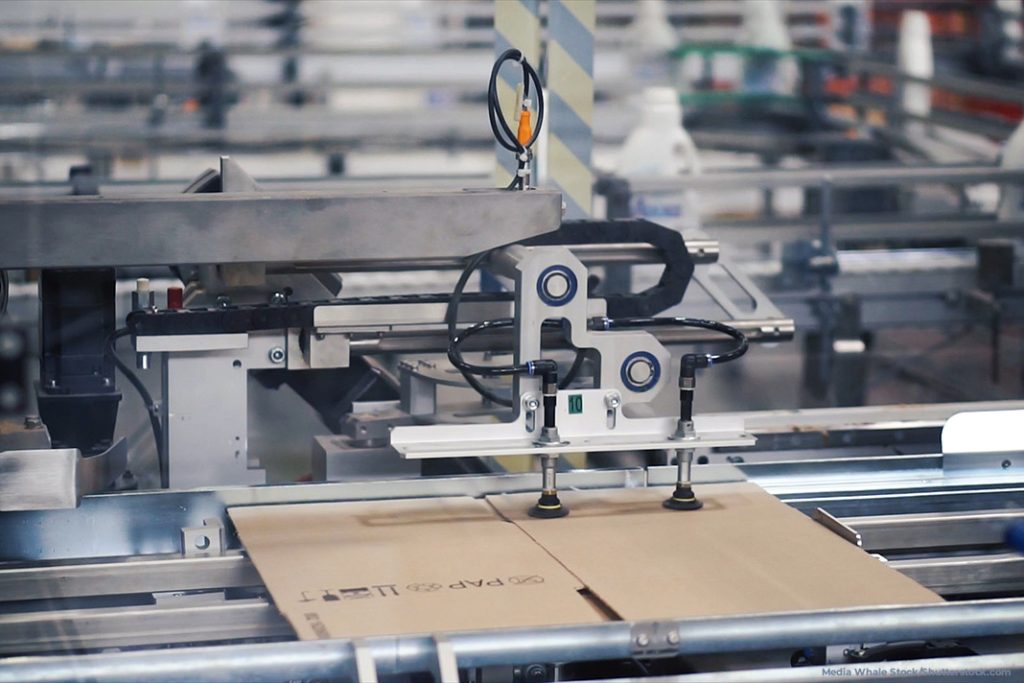
High-speed automated systems now enable consistent quality and large-scale production efficiency.
Blister packaging often incorporates advanced printing techniques:
Offset printing for large runs
UV printing for high-gloss finishes
Digital printing for flexibility
Finishing options such as embossing, foil stamping, and lamination enhance the premium look and feel.
Blister packaging creates a secure enclosure that protects products from:
Physical damage
Dust and contamination
Tampering
The rigid structure ensures stability throughout shipping and handling.
Transparent plastic allows customers to see the product directly, increasing trust and purchase likelihood.
Branding Enhancements
Printed inserts and cards
Custom shapes and colors
Premium finishes
These features help products stand out on crowded shelves.
Blister packaging is lightweight and uses minimal material compared to other formats, reducing both production and shipping costs.
Sustainability is becoming a major focus in packaging design.
Modern blister packaging solutions now include:
Recyclable rPET materials
Reduced plastic structures
Paperboard-based designs
These innovations help lower environmental impact without sacrificing performance.
Brands are increasingly choosing materials that maintain clarity and durability while meeting environmental standards.
This shift is essential for compliance with global regulations and consumer expectations.
Blister packaging is widely used across multiple sectors:
Consumer electronics
Cosmetics and personal care
Toys and retail goods
Hardware and tools
Pharmaceutical products
Its versatility makes it suitable for almost any product requiring visibility and protection.
Every product has unique requirements in terms of shape, size, and protection.
Custom blister packaging ensures:
Perfect product fit
Enhanced visual appeal
Optimized material usage
Modern manufacturers offer end-to-end solutions:
Consultation and design
Prototype development
Mass production
Logistics and delivery
This integrated approach ensures consistent quality and efficiency throughout the packaging lifecycle.
Some common issues in blister packaging include:
Air bubbles or uneven forming
Weak or thin walls
Poor sealing
Warping or deformation
Using high-quality materials
Maintaining strict temperature control
Ensuring precise mold design
Implementing quality checks
These practices help maintain consistent performance and appearance.
Blister packaging continues to dominate retail packaging because it delivers on three critical factors: protection, visibility, and cost efficiency.
For brands looking to improve shelf impact while ensuring product safety, it remains one of the most reliable and scalable solutions available today.
As sustainability and customization become increasingly important, businesses that invest in advanced blister packaging solutions will gain a competitive edge in both branding and operational efficiency.

Forging the Next 250 Years: Powering the Next Era of American Manufacturing
As manufacturers offer more customization than ever before, managing product complexity has become a critical challenge. Tune in with Dan Joe Barry, Vice President of Product Marketing at Configit, who explores how companies are tackling the growing number of product configurations across engineering, sales, manufacturing, and service. He explains how Configuration Lifecycle Management (CLM) helps organizations maintain a single source of truth for configuration data. The result: fewer errors, faster quoting, and the ability to deliver customized products at scale.
Get In Touch
Google news and SEO compliant, Industry Today’s state-of-the-art digital media platform offers bespoke media campaigns that target key decision makers and buyers to achieve your marketing and promotional goals.

Contribute
Showcase your brand and promote your business to our highly targeted audience. We offer detailed Google Analytics with measurable ROI to assure success. Submit your content for review by our Editorial team who will contact you to discuss the project further.
About Us
Reach Your Targeted Audience and Grow Your Business. Learn more About Industry Today.
Contact Us

© 2026 Industry today. All Rights reserved.