Millions rely on certified respirators, but funding constraints raise concerns about approval capacity and timelines.
By Dan Glucksman, Senior Director of Policy, ISEA
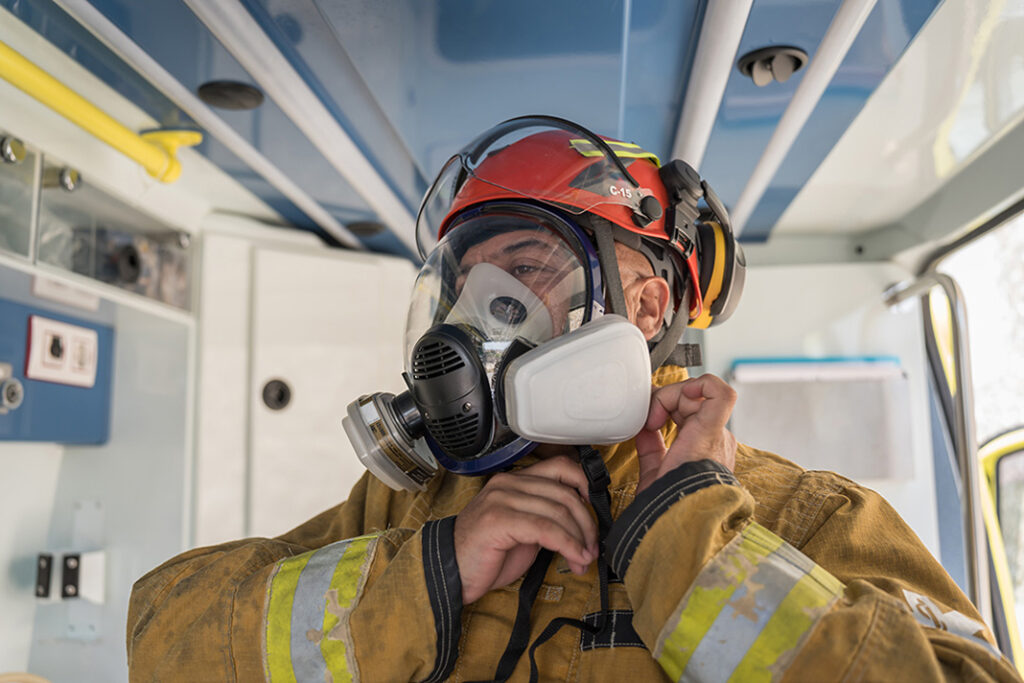
From hospital workers and firefighters to miners and industrial employees, millions of Americans depend on approved respirators to safely do their jobs. But mounting strain on the federal system responsible for approving that equipment is raising concerns about whether the nation can keep pace with growing demand for respiratory protection.
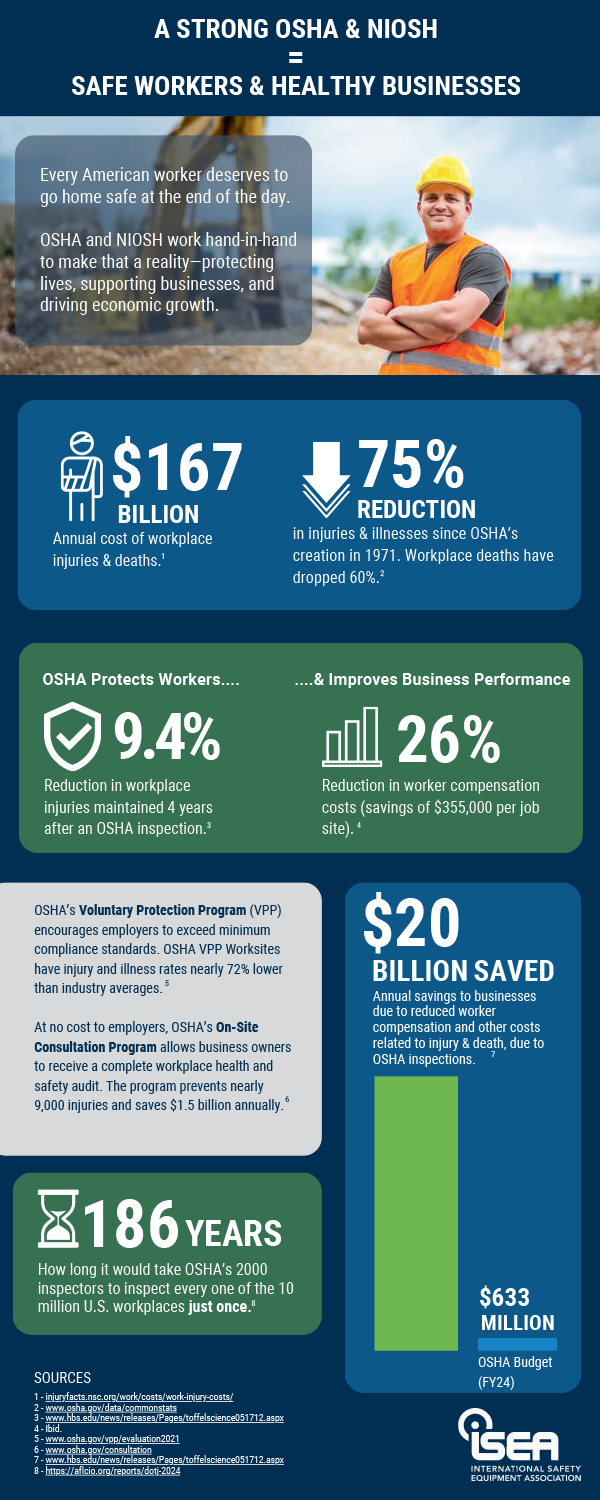
As employers continue to rely heavily on respiratory protection, experts say lawmakers and regulators may need to invest in safety to make certain current funding levels are sufficient to maintain the speed, oversight, and reliability required to protect workers and sustain confidence in the safety equipment marketplace.
The National Institute for Occupational Safety and Health (NIOSH) is responsible for certifying respiratory protective equipment used by more than 50 million American workers, including firefighters, miners, healthcare professionals, and industrial employees. Through its National Personal Protective Technology Laboratory in Pittsburgh, PA, NIOSH evaluates and approves respirators to ensure they meet rigorous performance standards before entering the market.
In recent months, the certification system experienced disruption following staffing reductions that affected the agency’s ability to process approvals efficiently. While personnel have since been reinstated and funding restored, the episode highlighted how limited capacity within the system can quickly impact certification timelines.
At the same time, federal funding for NIOSH has remained largely flat in recent years, even as costs associated with staffing, laboratory operations, and program oversight have increased. This dynamic has created a gap between available resources and operational demands, leaving little margin to absorb fluctuations in workload or staffing.
Respirator certification plays a central role in ensuring that this protective equipment performs reliably in hazardous environments. Manufacturers depend on timely approvals to bring new products to market and maintain compliance with safety requirements. Employers rely on certified equipment to meet workplace standards and protect employees from airborne hazards. Workers depend on the assurance that approved respirators will function as intended in high-risk conditions.
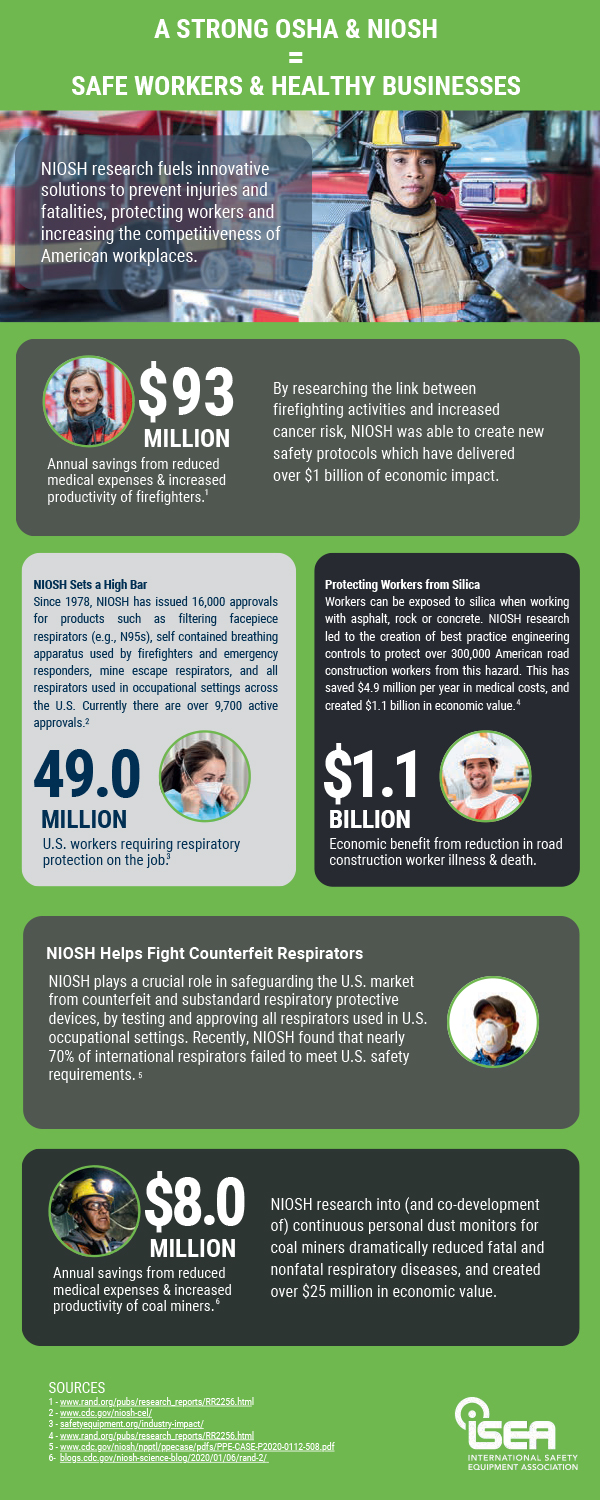
When certification timelines are delayed, the effects can extend across multiple sectors. Product availability may be constrained, procurement timelines can be disrupted, and the introduction of new or improved technologies may be slowed.
In addition, a tighter NIOSH/NPPL budget adds strain as the agency collaborates. with Customs and Border Protection to review potential non-compliant respirators and filters. During the COVID-19 pandemic, NIOSH played a key role in identifying and addressing fraudulent respirators, contributing to the removal of thousands of counterfeit products from circulation. This function remains an essential part of maintaining the integrity of the respiratory protection market.
The recent disruption has prompted broader attention to the relationship between funding levels and operational capacity within safety-critical approval systems. While the system has stabilized following the reinstatement of personnel, ongoing resource constraints raise questions about its ability to sustain consistent performance under increasing demand.
Maintaining an effective certification infrastructure requires alignment between funding, staffing, and workload. As demand for respiratory protection continues across industries and around the world, ensuring that certification processes remain timely and reliable is essential to supporting both worker safety and market stability.
About the Author:
Dan Glucksman is Senior Director of Policy for the International Safety Equipment Association (ISEA), where he leads advocacy efforts on worker safety, personal protective equipment standards, and federal occupational health policy. He works closely with regulators, industry leaders, and policymakers to advance policies that support worker protection and strengthen the PPE supply chain.
Forging the Next 250 Years: Powering the Next Era of American Manufacturing
As manufacturers offer more customization than ever before, managing product complexity has become a critical challenge. Tune in with Dan Joe Barry, Vice President of Product Marketing at Configit, who explores how companies are tackling the growing number of product configurations across engineering, sales, manufacturing, and service. He explains how Configuration Lifecycle Management (CLM) helps organizations maintain a single source of truth for configuration data. The result: fewer errors, faster quoting, and the ability to deliver customized products at scale.
Get In Touch
Google news and SEO compliant, Industry Today’s state-of-the-art digital media platform offers bespoke media campaigns that target key decision makers and buyers to achieve your marketing and promotional goals.

Contribute
Showcase your brand and promote your business to our highly targeted audience. We offer detailed Google Analytics with measurable ROI to assure success. Submit your content for review by our Editorial team who will contact you to discuss the project further.
About Us
Reach Your Targeted Audience and Grow Your Business. Learn more About Industry Today.
Contact Us

© 2026 Industry today. All Rights reserved.