Complex thermal processing and aqueous cleaning challenges often require more than equipment.
Customers need confidence that the solution will work in their specific application. That’s where the Research & Development team comes in.
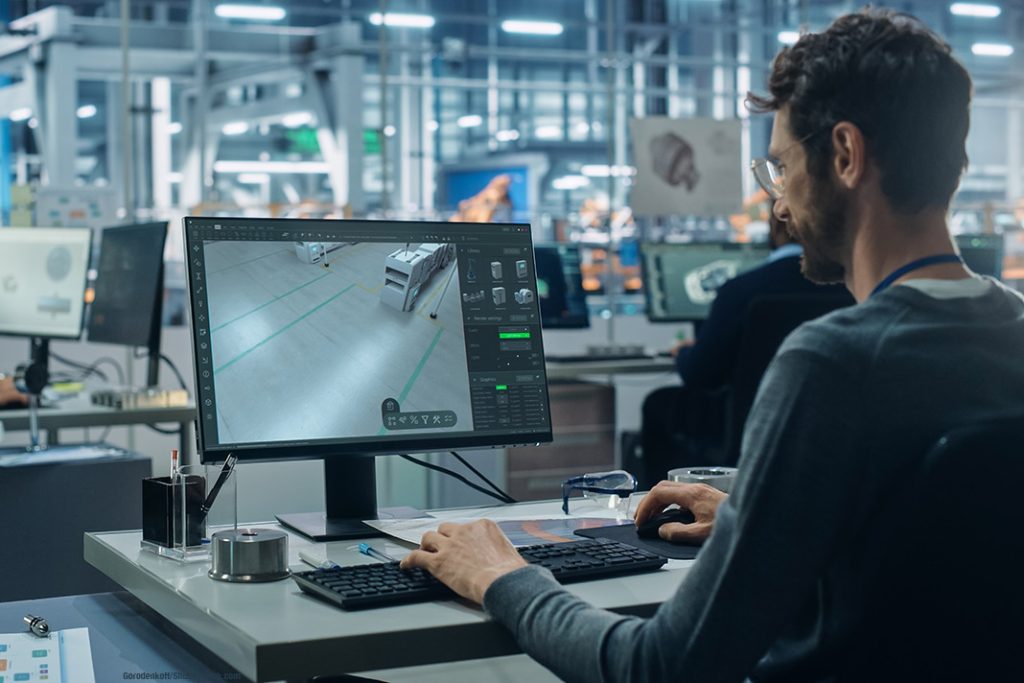
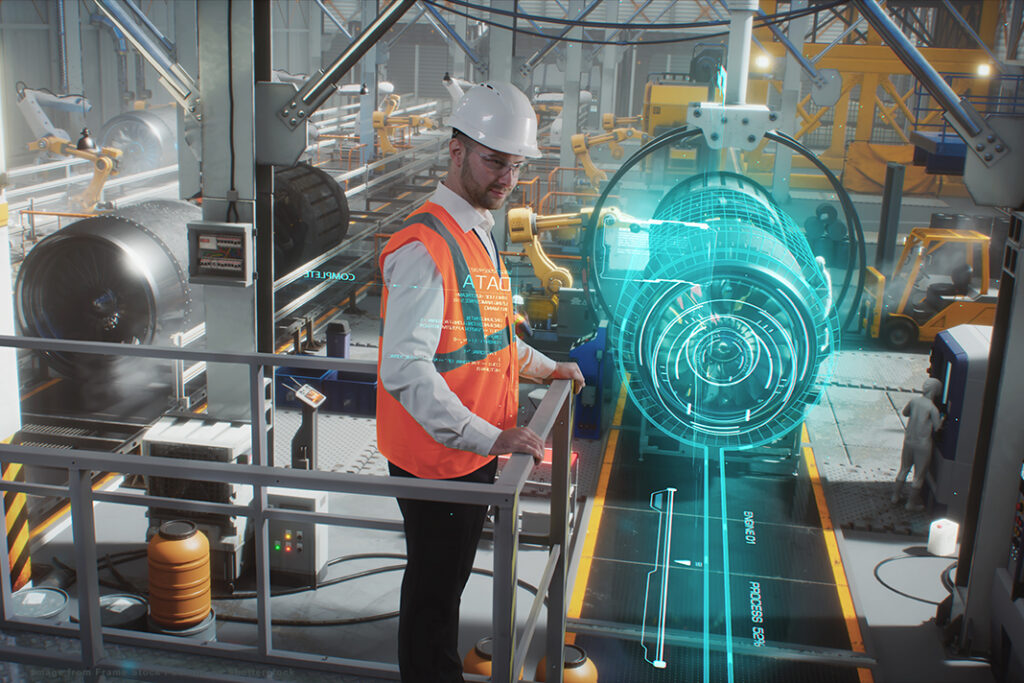
Research and development allows manufacturers to better understand how a process will perform before moving forward with equipment design. Through laboratory testing, simulation, and analysis, engineers can evaluate critical factors such as temperature, airflow, wash chemistry, and cycle times to determine the conditions needed for success.
This approach helps identify potential challenges early in a project and provides a clearer understanding of process requirements before a system is manufactured and installed.
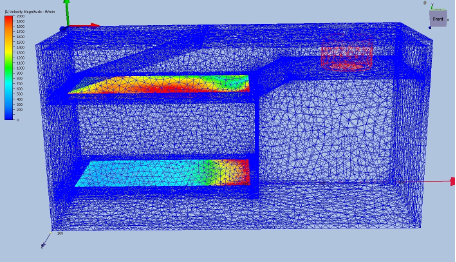
R&D teams are often tasked with solving complex processing challenges that require more than a standard approach. Whether the goal is achieving precise temperature uniformity, improving cleaning effectiveness, or optimizing production throughput, testing and validation can help determine the most effective solution.
In one project, a customer required temperature uniformity of 620°C ±1.5°C- an extremely tight tolerance. Through airflow simulations, engineering analysis, and process evaluation, the team was able to identify design parameters capable of meeting the application’s requirements.
By analyzing factors such as time, temperature, airflow, and process conditions, engineers can develop solutions based on measurable data rather than assumptions.
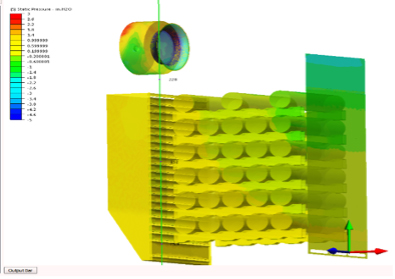
Once testing is complete, the findings are used to support the equipment design process. Collaboration between R&D and engineering teams helps ensure that validated process data is incorporated into the final system design, creating a stronger connection between laboratory testing and real-world production requirements.
This process can help reduce project risk while improving confidence that the final equipment will perform as expected.
As manufacturing technologies continue to evolve, research and development remains an important part of process improvement and innovation. Laboratory testing, simulation, and process validation provide valuable insight into how systems will perform before they are built, helping manufacturers make informed decisions and address challenges with greater confidence.
By bridging the gap between concept and production, R&D helps transform ideas into practical, data-driven solutions that support reliable and repeatable results.
As one of the few companies in the industry with a dedicated full-time R&D laboratory, ITS helps customers validate processes, reduce risk, and optimize performance before equipment is ever built.
Contact the ITS team to learn how our Research & Development laboratory can help validate your process and reduce project risk before equipment is built. For nearly three decades, Dr. Joe Zhao and the ITS R&D team have helped customers reduce risk, improve performance, and solve complex thermal processing challenges.
Forging the Next 250 Years: Powering the Next Era of American Manufacturing
Brooklyn Army Terminal (BAT) began as a World War II-era military supply base. Today it is New York City’s largest publicly owned industrial campus, with 59 waterfront acres, more than 4 million square feet and over 100 businesses. In this episode of Industry Insights, Bridget Chansakul, Vice President of Leasing & Portfolio Management at NYCEDC, explains what space is available and what’s planned for the 250,000+ square feet of new industrial space in Building A. She also covers how the ferry, parking and on-site childcare help tenants hire and keep workers, along with workforce partnerships, City incentives for manufacturers and where BAT is headed next.
Get In Touch
Google news and SEO compliant, Industry Today’s state-of-the-art digital media platform offers bespoke media campaigns that target key decision makers and buyers to achieve your marketing and promotional goals.

Contribute
Showcase your brand and promote your business to our highly targeted audience. We offer detailed Google Analytics with measurable ROI to assure success. Submit your content for review by our Editorial team who will contact you to discuss the project further.
About Us
Reach Your Targeted Audience and Grow Your Business. Learn more About Industry Today.
Contact Us

© 2026 Industry today. All Rights reserved.