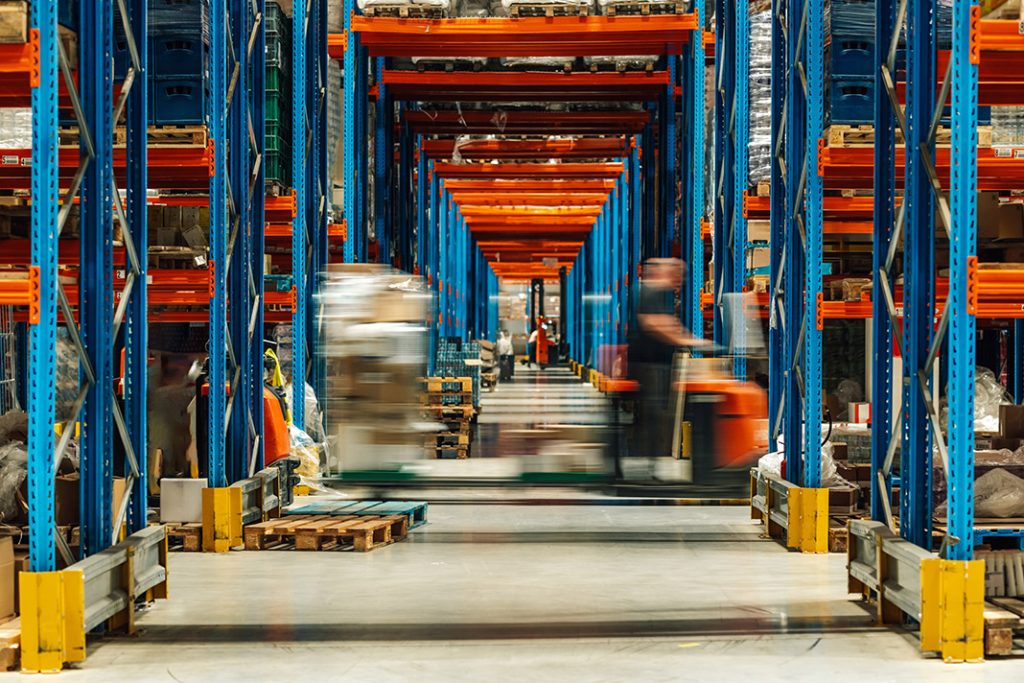
The supply chain playbook that drove three decades of efficiency is being rewritten. Here’s what manufacturers need to rethink.
By Bastian Himmeroeder
For decades, supply chain strategy was built around a relatively stable set of assumptions. Transportation costs continued to fall, global trade expanded, manufacturing shifted to lower-cost regions and companies optimized networks for efficiency. Those decisions reflected the realities of the time.
Today, however, those assumptions are changing. Tariffs, geopolitical instability, labor shortages, rising transportation costs and more frequent disruptions have fundamentally altered the economics of global supply chains.
The playbook that drove three decades of efficiency is being rewritten as we speak and here is what manufactures need to rethink.
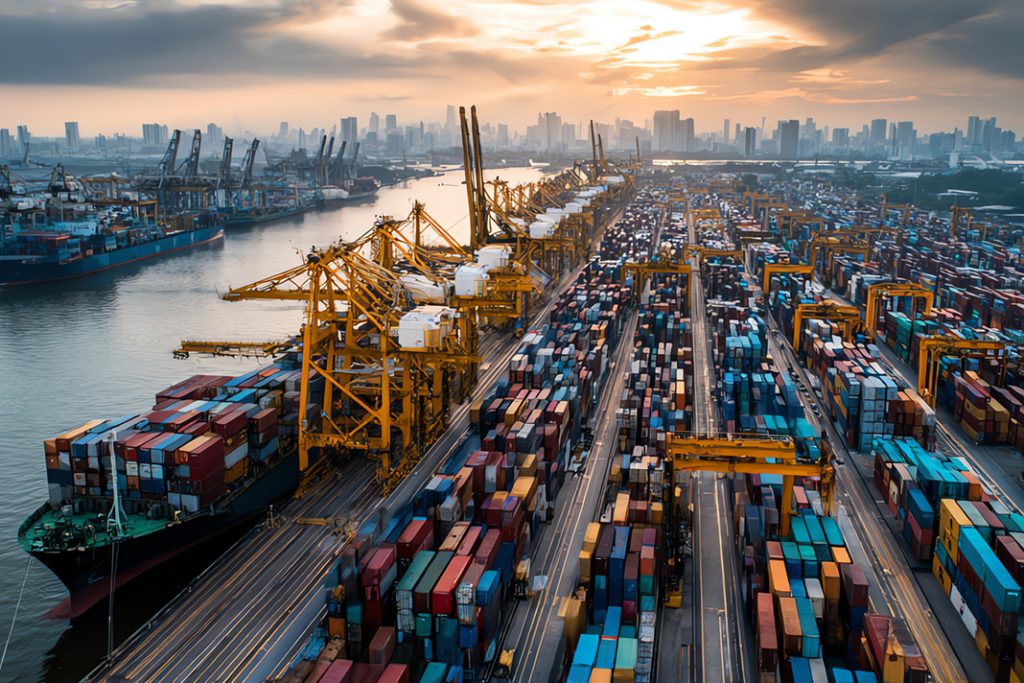
Globalization has rewarded companies that centralized manufacturing and sourced production where costs were lowest. Transportation became cheaper, trade expanded and organizations discovered they could serve global markets with fewer manufacturing sites and longer transportation routes. That strategy delivered significant value.
The challenge today is that many of the assumptions behind those decisions have shifted. Energy costs have increased. Tariffs can reshape sourcing economics almost overnight. Regional conflicts continue to disrupt global trade, and companies have become far more aware of the risks associated with concentrating production in a single country or relying on one critical supplier.
This doesn’t mean globalization is over. For many industries, global manufacturing still makes complete business sense. What has changed is the need to balance cost savings against operational risk. The lowest-cost supply chain is no longer automatically the best supply chain.
One of the biggest mistakes organizations make is assuming every industry should respond to disruption in the same way. That is rarely true.
A fashion retailer faces a very different set of decisions than a pharmaceutical manufacturer. Consumer packaged goods companies must think differently about inventory than medical device manufacturers. Semiconductor companies face capacity constraints that can’t simply be solved by relocating production.
The goal isn’t to follow a universal playbook. It’s to understand the specific risks facing your business and build a network that reflects those realities.
For some organizations, that may mean regionalizing production. For others, it may mean diversifying suppliers or carrying strategic inventory. The right answer depends on the product, the customer and the economics, not on the latest industry trend.
Organizations often ask what disruption they should prepare for next. The reality is that no one knows.
Few companies predicted the pandemic. Few anticipated a ship blocking the Suez Canal or the speed at which tariffs would reshape sourcing decisions across multiple industries. Trying to predict every possible disruption is an impossible exercise.
A more productive approach is to ask different questions: How would the business respond if one of its core assumptions suddenly changed? What if transportation costs doubled? What if a manufacturing site became unavailable? What if demand shifted to another region? What if a key supplier could no longer deliver?
Scenario planning allows organizations to evaluate those possibilities before they’re forced to make decisions under pressure. It shifts the conversation from prediction to preparedness and that’s where resilient supply chains gain their advantage.
AI, digital twins and advanced modeling tools have transformed supply chain planning. Companies can evaluate multiple scenarios, model changes to production or sourcing strategies and understand the downstream effects of operational decisions faster than ever before.
That’s an important step forward. But technology doesn’t determine business strategy.
AI can identify patterns. Digital twins can simulate different operating scenarios. Analytics can improve visibility across complex networks. None of those tools can decide how much risk an organization should accept or which tradeoffs best support its long-term objectives.
The companies seeing the greatest return from these technologies are giving decision-makers better information so they can act with greater confidence and speed.
Perhaps the biggest lesson of the last several years is that resilient supply chains aren’t created during a crisis. They are built long before one occurs.
That doesn’t mean preparing for every imaginable disruption. (Because I don’t think anyone has a crystal ball). But, it means creating enough flexibility within the network that organizations have meaningful options when conditions change.
For some companies, that flexibility comes from dual sourcing. For others, it’s strategic inventory, additional manufacturing capacity or digitally modeling the supply chain so different scenarios can be evaluated quickly.
When disruption inevitably occurs, organizations that have already invested in flexibility can respond deliberately rather than react emotionally. That’s often the difference between protecting customer service and scrambling to recover.
If the last decade has taught supply chain leaders anything, it’s that you can’t complete the disruption bingo card before the game begins. There will always be another event that no one anticipated. Rather than trying to predict the next square, manufacturers should focus on building supply chains that can adapt regardless of what appears next.

About the Author:
Bastian Himmeroeder is Director at Miebach Consulting, where he advises global manufacturers on supply chain strategy, network design and digital transformation.
Forging the Next 250 Years: Powering the Next Era of American Manufacturing
As manufacturers offer more customization than ever before, managing product complexity has become a critical challenge. Tune in with Dan Joe Barry, Vice President of Product Marketing at Configit, who explores how companies are tackling the growing number of product configurations across engineering, sales, manufacturing, and service. He explains how Configuration Lifecycle Management (CLM) helps organizations maintain a single source of truth for configuration data. The result: fewer errors, faster quoting, and the ability to deliver customized products at scale.
Get In Touch
Google news and SEO compliant, Industry Today’s state-of-the-art digital media platform offers bespoke media campaigns that target key decision makers and buyers to achieve your marketing and promotional goals.

Contribute
Showcase your brand and promote your business to our highly targeted audience. We offer detailed Google Analytics with measurable ROI to assure success. Submit your content for review by our Editorial team who will contact you to discuss the project further.
About Us
Reach Your Targeted Audience and Grow Your Business. Learn more About Industry Today.
Contact Us

© 2026 Industry today. All Rights reserved.