Improve industrial electrical performance by choosing the right components, reducing downtime and taking a proactive approach to maintenance.
Industrial facilities depend on electrical systems every day, yet many performance issues develop gradually and go unnoticed until they affect productivity. A production line that stops unexpectedly, a motor that overheats, or a control panel that experiences faults can all create costly disruptions. If you manage or influence operations within an industrial environment, you can improve electrical system performance by paying close attention to the components that support daily processes.
Every component within the electrical system performance network contributes to overall reliability, from distribution equipment and control systems to sensors and connection points.
As equipment ages, wear and environmental conditions can affect performance. Dust, moisture, vibration, and temperature fluctuations often place additional stress on electrical components. Even minor issues such as loose connections or undersized devices can create inefficiencies that increase energy consumption or lead to operational interruptions.
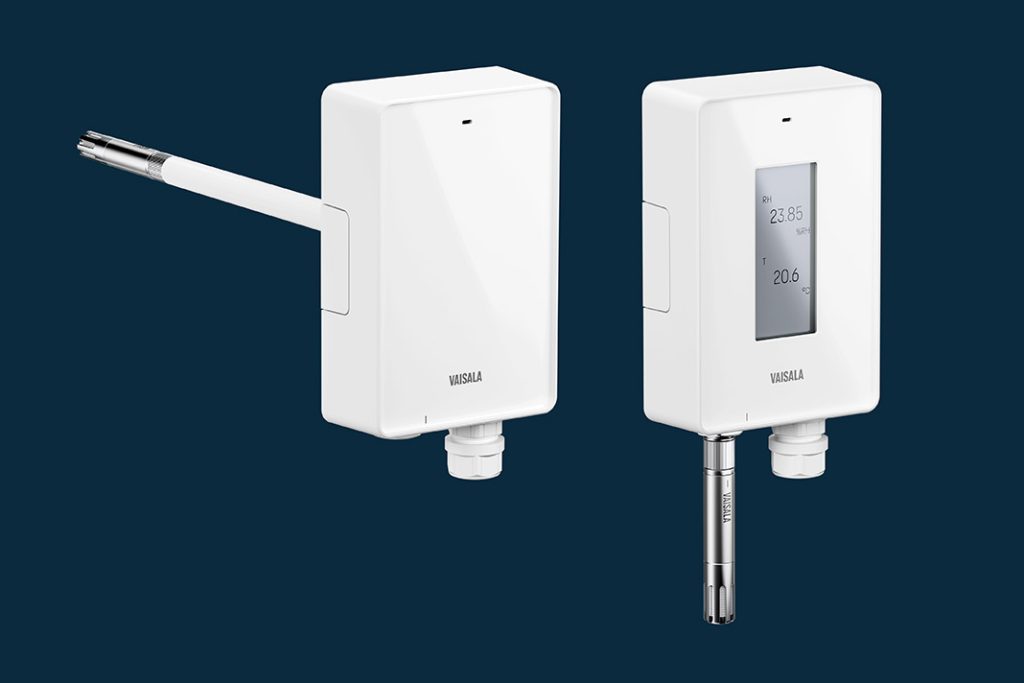
Reliable switches, contactors, sensors, and relays allow equipment to function as intended throughout demanding operating cycles. When these components perform consistently, staff spend less time troubleshooting faults and more time focusing on production goals.
Review critical control points regularly to identify components approaching the end of their service life.
One of the most effective ways to improve performance involves selecting components that match the specific demands of the application. Industrial facilities sometimes encounter problems because equipment was chosen based primarily on purchase price rather than operational suitability.
Different environments require different performance characteristics. A food processing facility may need components that resist frequent washdowns, while a manufacturing plant with heavy machinery may prioritize resistance to vibration and impact. Electrical ratings, environmental protection levels, and expected duty cycles should all influence component selection.
Strategic component decisions can reduce the likelihood of unexpected failures. Facilities that standardize high-quality components often simplify maintenance procedures because technicians become familiar with equipment behavior and replacement requirements.
A common example involves replacing aging electrical devices before they fail unexpectedly. Planned replacement schedules typically cost less than emergency repairs that require urgent labor, expedited parts delivery, and unplanned production stoppages.
Strong supplier relationships support better electrical system performance over the long term. Reputable suppliers often offer technical guidance, application expertise, and support that helps organizations make informed purchasing decisions.
When suppliers understand the operational demands of your facility, they can recommend products suited to specific environments and performance requirements. This guidance helps reduce the risk of incompatibility issues and unnecessary replacements.
When you take a proactive approach to each of these areas, your electrical systems can deliver dependable performance that supports productivity and helps your operation run more smoothly every day.

Forging the Next 250 Years: Powering the Next Era of American Manufacturing
As manufacturers offer more customization than ever before, managing product complexity has become a critical challenge. Tune in with Dan Joe Barry, Vice President of Product Marketing at Configit, who explores how companies are tackling the growing number of product configurations across engineering, sales, manufacturing, and service. He explains how Configuration Lifecycle Management (CLM) helps organizations maintain a single source of truth for configuration data. The result: fewer errors, faster quoting, and the ability to deliver customized products at scale.
Get In Touch
Google news and SEO compliant, Industry Today’s state-of-the-art digital media platform offers bespoke media campaigns that target key decision makers and buyers to achieve your marketing and promotional goals.

Contribute
Showcase your brand and promote your business to our highly targeted audience. We offer detailed Google Analytics with measurable ROI to assure success. Submit your content for review by our Editorial team who will contact you to discuss the project further.
About Us
Reach Your Targeted Audience and Grow Your Business. Learn more About Industry Today.
Contact Us

© 2026 Industry today. All Rights reserved.