Right-of-way clearing helps utilities maintain safe, accessible infrastructure by managing vegetation, preventing obstructions, and reducing the risk of service disruptions and costly repairs.
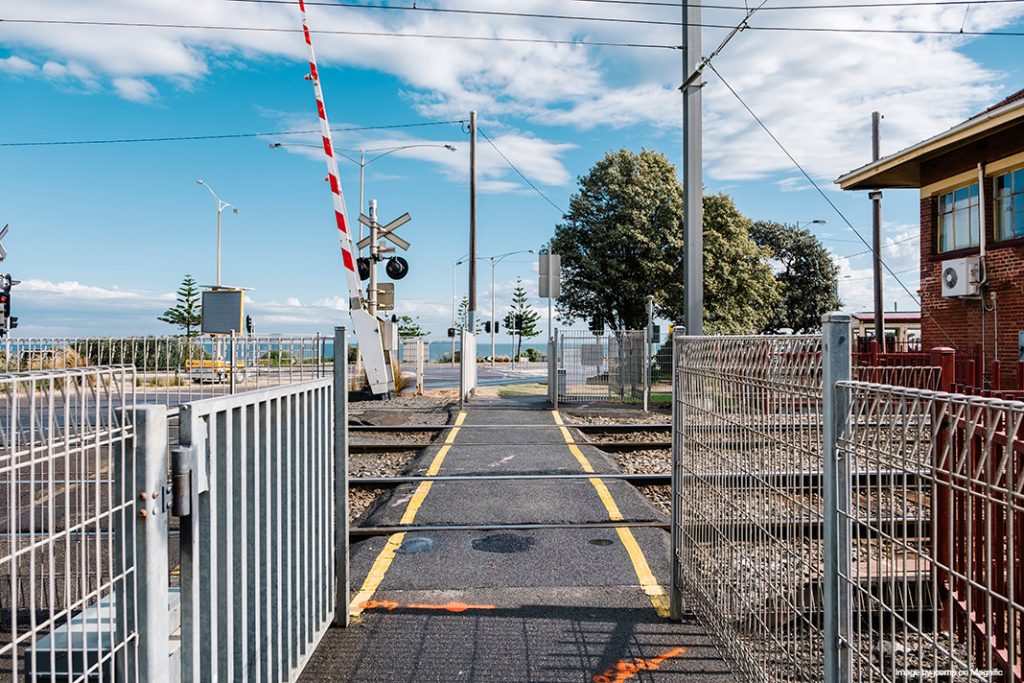
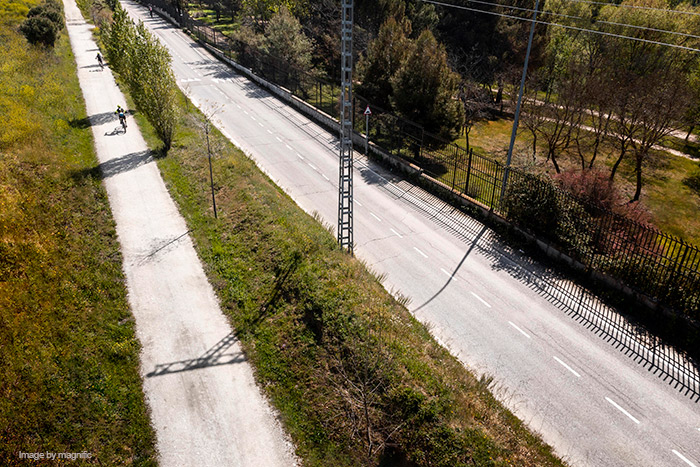
Utility corridors run through backyards and roadside easements. Most property owners barely notice them until access becomes a problem. A power line or gas main only stays reachable if the ground around it stays clear. Vegetation regrows every season, and structures sometimes creep closer to the line than the easement allows. Left alone, that growth quietly closes off the access crews depend on.
When that access disappears, so does the ability to inspect or repair what runs through the corridor. A downed limb during a storm can turn into a longer outage if the crew cannot reach the pole. Emergency work on a gas line takes longer when a locked fence blocks the truck. These outcomes are not rare exceptions. They are the direct result of a corridor nobody kept clear.
Right-of-way clearing is the work that keeps utility infrastructure reachable and safe to operate. This guide walks through what the work involves and why it matters more than most contractors realize. It also covers where the risk concentrates for the crews handling it.
Right-of-way clearing means removing trees, brush, and other vegetation from the strip of land to which a utility has legal access. That strip is usually called an easement. It runs a set number of feet on either side of the actual line.
Utility companies don’t usually own this land outright. They have the legal right to use it for a specific purpose. That right only holds up if the corridor stays clear. Here is where clearing work earns its keep:
The method a crew uses depends on the terrain and how overgrown the corridor has become. Each approach handles a different stage of growth:
Timing decides whether that work protects uptime:
A crew working a corridor faces conditions that most tree work does not. Proximity to live equipment and heavy machinery near the public raises the stakes on every job. That combination is exactly why corridor work needs utility contractor insurance built for the job. A generic policy pieced together from unrelated coverage will not fit as well. Standard general liability rarely accounts for the exposure of clearing near energized lines.
A missed clearing cycle doesn’t cause trouble right away. Growth backs up quietly, and the corridor slips further behind schedule until access becomes the problem.
If a corridor falls behind schedule, the problem doesn’t go away. Trying to catch up later usually costs more money and adds more risk than staying on schedule from the start.
Most utility corridors work best with a rotating clearing schedule. How often a section needs attention depends on factors like how quickly vegetation grows and the type of terrain. Treating every corridor the same way can waste both time and money. So, a practical clearing schedule should include:
A documented, rotating schedule helps keep corridors accessible and manageable year after year. Waiting for complaints or missed inspections often leads to rushed clearing and greater safety risks once vegetation becomes overgrown.
Utility corridors help keep essential infrastructure running, but working around them comes with serious risks for contractors.
These risks are part of the job, but they don’t have to become costly surprises. Good planning and clear site documentation, along with the right insurance coverage, can help protect a contractor’s crew and profit.
How wide a right-of-way runs depends on the utility type and voltage. Overhead transmission lines often need a corridor 30 to 100 feet wide. Smaller distribution lines and buried pipelines usually need less. The exact width is set in the easement agreement.
The difference comes down to purpose and scope. Right-of-way clearing maintains access and safety along a legal corridor. Regular tree trimming shapes growth for aesthetics. Clearing crews also work under stricter safety rules near energized lines than a standard trimming job requires.
A utility company can generally clear trees within a recorded easement, even without fresh permission for each visit. The original agreement already grants that access. Most utilities still give landowners advance notice before a crew arrives, though requirements vary by state.
The cost of right-of-way clearing depends on a few variables:

Forging the Next 250 Years: Powering the Next Era of American Manufacturing
As manufacturers offer more customization than ever before, managing product complexity has become a critical challenge. Tune in with Dan Joe Barry, Vice President of Product Marketing at Configit, who explores how companies are tackling the growing number of product configurations across engineering, sales, manufacturing, and service. He explains how Configuration Lifecycle Management (CLM) helps organizations maintain a single source of truth for configuration data. The result: fewer errors, faster quoting, and the ability to deliver customized products at scale.
Get In Touch
Google news and SEO compliant, Industry Today’s state-of-the-art digital media platform offers bespoke media campaigns that target key decision makers and buyers to achieve your marketing and promotional goals.

Contribute
Showcase your brand and promote your business to our highly targeted audience. We offer detailed Google Analytics with measurable ROI to assure success. Submit your content for review by our Editorial team who will contact you to discuss the project further.
About Us
Reach Your Targeted Audience and Grow Your Business. Learn more About Industry Today.
Contact Us

© 2026 Industry today. All Rights reserved.