Discover how domestic chrome metal production strengthens U.S. aerospace supply chains, reduces foreign dependence and supports critical manufacturing.
By Mr. Kevin Lawson, President, AMG Chrome
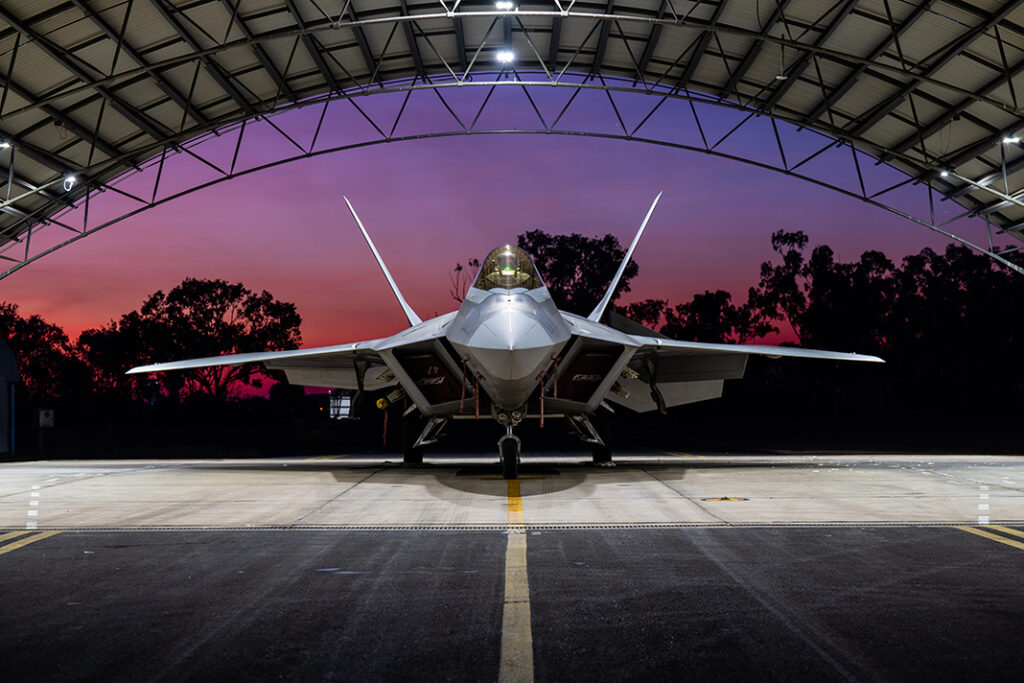
Domestic chrome metal production matters because aerospace manufacturers depend on the material for components that must withstand extreme heat and stress, particularly in jet engines. Heavy reliance on imported chrome metal can expose U.S. aircraft production to disruptions far beyond the factory floor. A domestic source provides manufacturers another supply option and helps strengthen the industrial base supporting commercial aviation and national defense.
The aerospace supply chain includes aircraft manufacturers, engine producers and their networks of component suppliers. Yet some of its most consequential inputs enter production much earlier. Chrome metal is one of them: a critical material with properties that help make demanding aerospace applications possible.
Chrome contributes to alloys engineered for strength, durability and resistance to high temperatures. In jet engines, those characteristics are particularly important because components must operate reliably under intense thermal and mechanical demands. Chrome also contributes to specialty steels used in aircraft structures and landing gear, connecting the material to multiple areas of aerospace manufacturing.
These uses make chrome metal more than a routine commodity purchase. In critical jet-engine applications, there is no viable substitute. If chrome supply becomes constrained, manufacturers cannot adjust to avoid production consequences.
For years, the United States has depended heavily on foreign chrome metal. Before the war in Ukraine, Russian material was the most prevalent in the U.S. supply chain. Following the disruption of Russian supply, Chinese material became the most abundant. That shift illustrates how quickly sourcing patterns can change when geopolitical events affect a critical input like chrome.
The concern is not simply where a shipment originates. It is the limited flexibility available when an essential material is concentrated among sources exposed to geopolitical tension or trade disruption. An aerospace manufacturer may have reliable contracts with its direct suppliers and still face risk if those suppliers depend on a small number of upstream producers.
Because chrome metal sits well upstream of finished aircraft, reliable access to the material is an important consideration for alloy and component producers that support aerospace manufacturing. Those pressures can then move through engine manufacturing and ultimately affect commercial and military aircraft schedules. The farther upstream the problem begins, the less visible it may be to the companies managing final assembly.
This is why supply-chain resilience requires more than evaluating immediate vendors. Manufacturers need a clearer understanding of the origin, availability and concentration of materials embedded in the parts they buy. Identifying those dependencies early allows companies to assess exposure before a disruption becomes an urgent production issue.
The resilience of the aerospace supply chain begins early in the process. It depends on the availability of critical materials that manufacturers need at the earliest stages of production.
That principle changes how companies should think about industrial capacity. Expanding assembly capability does little to reduce exposure if indispensable materials remain difficult to source.
Domestic chrome metal production adds a more stable source closer to U.S. manufacturers and reduces the need to rely exclusively on foreign supply. It does not remove every risk: producers still need dependable upstream inputs, competitive operations and sufficient capacity. But additional sourcing options provide buyers greater flexibility when international markets are disrupted.
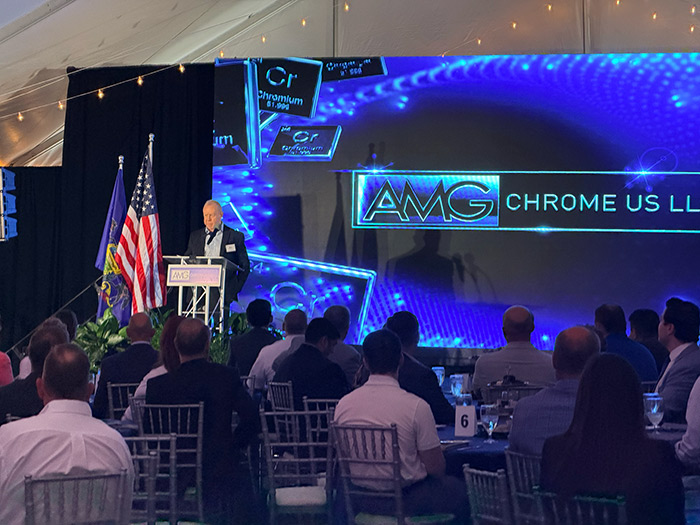
AMG Chrome is a great example. The company has returned chrome metal manufacturing to the United States after more than two decades without domestic production. Its New Castle, Pa., facility represents a $15 million investment in the plant with an annual capacity of 6,500 metric tons. Initial production volumes are already sold out, and the company is evaluating how quickly it can increase output to meet further demand.
The significance of this is that AMG is a domestic producer that offers aerospace and defense suppliers another potential procurement pathway while supporting skilled manufacturing work in the United States. It also demonstrates that rebuilding capabilities in critical materials is possible, even when those capabilities have been absent for years.
At the same time, domestic availability should not be confused with complete self-sufficiency. Chrome metal production is one stage in a broader supply chain, and secure access to feedstocks remains necessary. For manufacturers, a more resilient strategy combines diverse sourcing with a realistic understanding of where vulnerabilities remain.
Restarting production of chrome in the United States is an important milestone; sustaining it is a different challenge. Investments in industrial facilities depend on the expectation that producers can compete and operate over a long time. If unfairly traded, low-priced imports undermine the domestic market, companies may be less willing to maintain existing capacity or finance future expansion.
Consistently enforced trade remedies can help create confidence that investments in critical-material production will not be disadvantaged by unfair competition. The objective is not to suggest that domestic supply alone can satisfy every aerospace requirement. Rather, it is to preserve a viable additional source in a market where concentration has already shown its risks.
For aerospace manufacturers, the practical question is whether procurement strategies recognize the value of this. Price and delivery remain essential purchasing considerations, but the ability to keep production moving during a disruption also carries economic and operational value. Supply security has a place in sourcing decisions before a shortage occurs.
Chrome metal is used in alloys for jet-engine applications and contributes to specialty steels found in aircraft structures and landing gear. Its ability to support performance under demanding conditions makes it especially important to engine manufacturing.
There is no viable substitute for chrome metal in critical jet-engine applications. That makes reliable supply especially important: a disruption cannot always be resolved by changing materials or suppliers at short notice.
No. Domestic production provides another source of chrome metal, but long-term resilience also depends on sufficient capacity, reliable upstream materials and diversified sourcing. It is a meaningful addition to supply-chain security, not a complete solution by itself.
U.S. aerospace resilience depends on materials as well as aircraft, engines and assembly lines. Reestablishing domestic chrome metal production strengthens one critical link, while continued attention to upstream supply and fair trade conditions will determine how durable that progress becomes.

About the Author:
Mr. Lawson was appointed president of AMG Chrome UK Limited in 2013 having formerly worked as managing director AMG Aluminum UK Limited and AMG Alpoco Limited. Mr Lawson joined AMG in September 2004 having previously worked in automotive component manufacture and electrical switchgear. Mr Lawson holds a bachelor’s degree in electronics and a master’s degree in engineering design.

Forging the Next 250 Years: Powering the Next Era of American Manufacturing
In this episode of Industry Insights, Ricky Watts, General Manager, Industrial and Robotics Division at Intel Corporation, explains why the Industry 4.0 groundwork manufacturers have been laying for years is now the foundation for AI at scale. He describes how IT and OT systems are finally coming together, and how agentic AI can pull data from the plant floor, the supply chain and the C-suite to find out why a production line is underperforming. Watts also covers why chips have become strategic infrastructure, the rise of physical AI and robotics in harsh industrial settings, and the skills tomorrow’s workforce will need. He finishes with a layered approach to cybersecurity in software-defined plants.
Get In Touch
Google news and SEO compliant, Industry Today’s state-of-the-art digital media platform offers bespoke media campaigns that target key decision makers and buyers to achieve your marketing and promotional goals.

Contribute
Showcase your brand and promote your business to our highly targeted audience. We offer detailed Google Analytics with measurable ROI to assure success. Submit your content for review by our Editorial team who will contact you to discuss the project further.
About Us
Reach Your Targeted Audience and Grow Your Business. Learn more About Industry Today.
Contact Us

© 2026 Industry today. All Rights reserved.