A 1918 Brooklyn spring maker and an LA camera house explain why Brooklyn Army Terminal works for precision businesses in New York City.
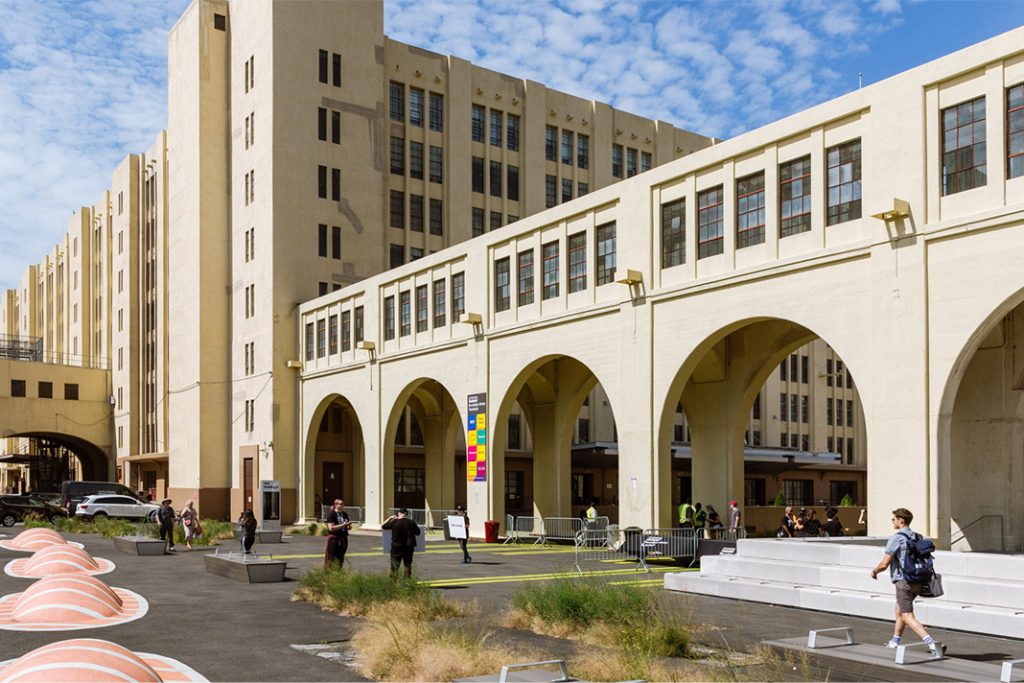
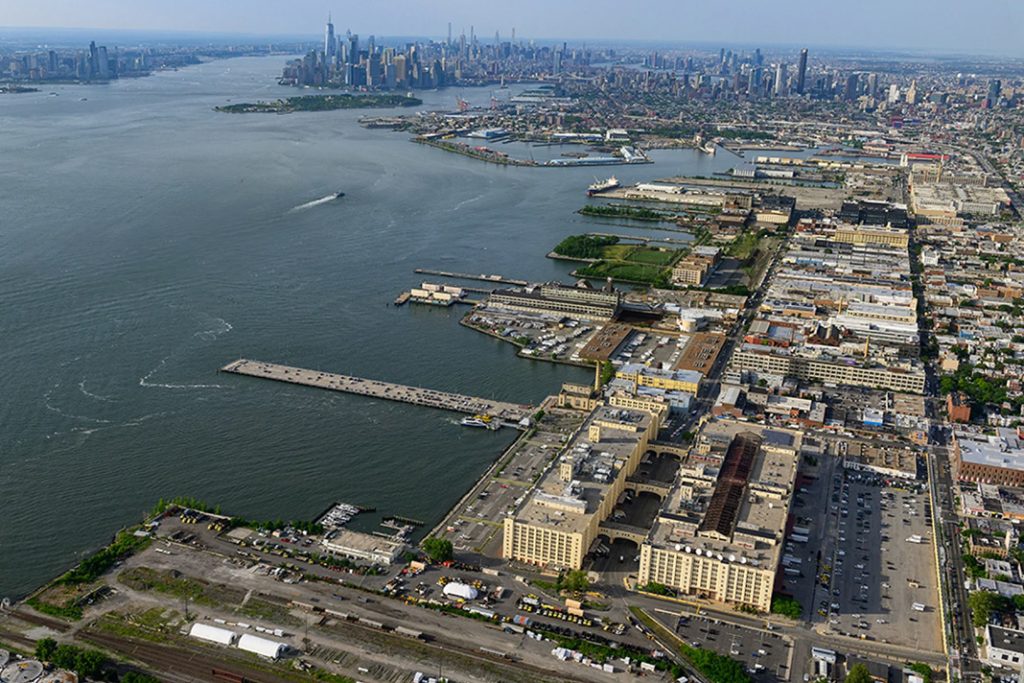
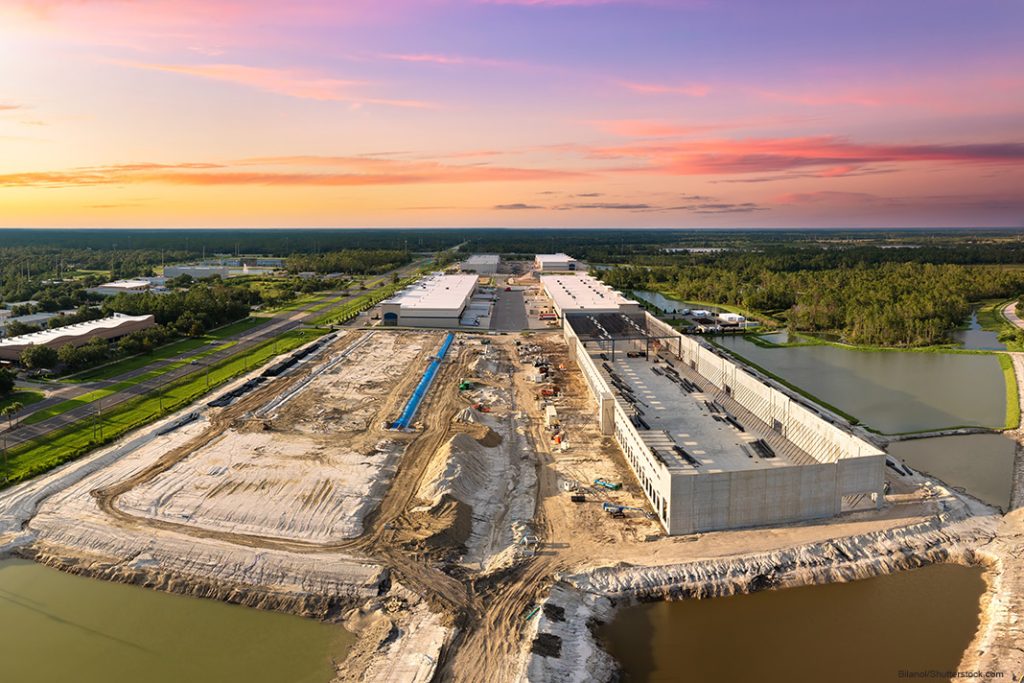
When the federal government commissioned the Brooklyn Army Terminal in 1918, it was built to move supplies at enormous scale, and it went on to serve as the largest military supply base in the U.S. through World War II. More than a century later, the 4.3-million-square-foot Sunset Park campus is nearly 90 percent leased. Its tenants are manufacturers, makers and creative businesses that need serious industrial space without leaving New York City.
Two of them, one that has called the terminal home since 2008 and one that arrived this year, explain what keeps them here.
“Brooklyn Army Terminal was built in 1918 to keep a nation supplied, and it’s still doing that job for New York today. A spring maker founded the same year has made it its global headquarters, and a 50-year-old Los Angeles camera house chose it as its East Coast base. That says a lot about what the campus offers: space that can be built out for precision work, round-the-clock freight access, and room to grow without leaving the city,” says Jennifer Brown, Senior Vice President of the Sunset Park District.
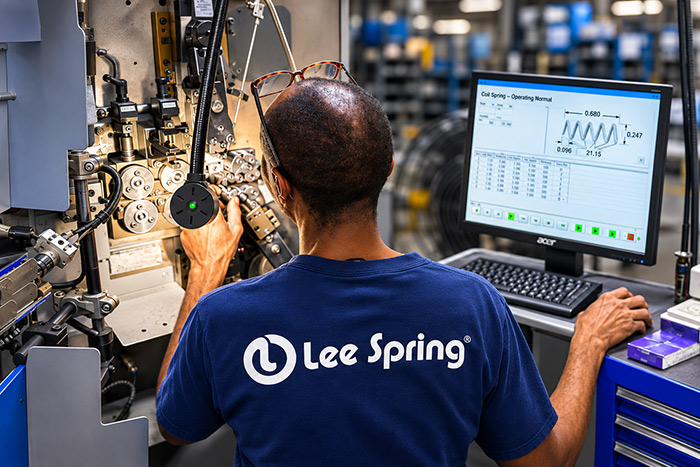
Lee Spring was founded in Brooklyn the same year as the terminal. Today it is a global maker of stock and custom springs with production facilities across the US and overseas, but its headquarters and one of its manufacturing plants remain at BAT, where about 90 people work.
When the company moved from its previous plant a couple of miles away, keeping its workforce came first. “Our main goal was to keep the people that had been so critical to the success of our company,” says CEO Steve Kempf. “We wanted someplace where we would lose as few people as possible with the move.”
BAT’s location made that possible, and its parking sealed it. Many employees drive in from Staten Island, Queens and the Bronx, and none of the alternatives came close. On-site amenities and BAT’s security staff added to the case, as did support from the city. As one of the few manufacturers left in New York City, Lee Spring received a one-time incentive that covered about 20 percent of its build-out.
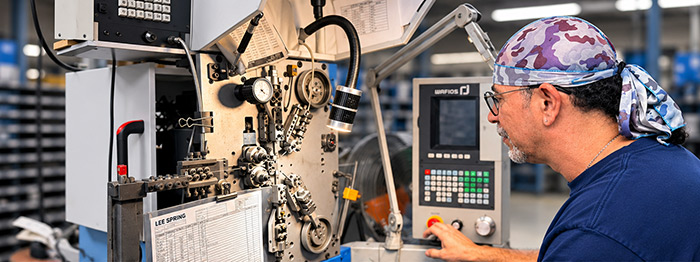
For Kempf, lease length may have been the deciding factor. A plant isn’t an office where you “throw down some desks.” Lee Spring’s space needed extensive electrical distribution, plus airflow and ductwork to vent grinding dust.
“At other nearby campuses, the longest lease I could generally get was about 10 years. Here we had options to 20 years,” he says. “I didn’t want to have to invest and then leave after 10 years. A 20-year lease allows us to think like ownership and allows us to invest properly.”
That investment has paid off. With new technology in the factory and the office, output has grown while headcount has held steady, with no layoffs. The company recently celebrated an employee with more than 50 years of service, and many others have passed 30.
The campus has kept improving around them. Since Lee Spring arrived, BAT has added a shuttle to nearby subway stations, NYC Ferry service from a landing on campus, new bike lanes and Citi Bike docks, and new places to eat. Entrances, parking, security and the buildings themselves have been steadily upgraded.
“It’s continually investing in the building, and it shows.”
—Steve Kempf
The ferry is his favorite. Some staff have even moved within Manhattan to be closer to it, and he uses it himself. “I have countless meetings with people from Manhattan, and we just meet in the Financial District. I take the boat over.”
Manufacturing in New York has real challenges. Labor costs more than in many states Lee Spring competes with, and as Kempf puts it, “it’s very easy to go out of state to get your springs.” Hands-on mechanical experience can also be harder to find in the city. “But we always find them, we train them, and people are interested.”
Fellow tenants help. A makerspace on BAT’s ground floor runs industrial training cohorts of 20 to 30 people, and Lee Spring has typically hired two graduates from each one. “They just shoot up the elevator to where we are,” Kempf says. The company has also hired seasonal staff from Uncommon Goods, a BAT-based gift retailer that introduces holiday workers to other tenants after the holiday season.
His advice to manufacturers considering a move: “It’s a great community. You do meet fellow tenants and develop relationships. It’s got great amenities, great facilities, great security, and it’s a great place to come to work.”

Otto Nemenz International has been a fixture of the Los Angeles cinema rental scene for almost 50 years. After a turbulent few years of COVID shutdowns and strikes, film and TV production is coming back bigger than before, and the company saw its moment to open in New York.
“The biggest thing we were looking for was a location that would allow us to support not just productions happening in NYC, but also easy access to the growing production hubs and studios opening up in New Jersey,” says David Faynberg, General Manager, New York. “BAT being located so close to Staten Island and the Verrazzano Bridge gives us just that.”
The New York operation has four dedicated rental bays that can support up to 12 camera preps, a large inventory of cinema cameras, lenses and support gear, and a lens projection and test room for service-level quality control.
“For almost 50 years, Otto Nemenz has been built on giving cinematographers equipment they can trust. Opening at the Brooklyn Army Terminal lets us bring that standard to East Coast productions, from a base that serves New York City and New Jersey’s growing studio hubs alike,” says Nevin Sanli, President & CEO of Otto Nemenz International.
Optical work set a demanding brief: a clean environment for testing sensitive equipment, enough power to keep dozens of batteries charged, and strong campus security for high-value gear. “BAT met all those needs and more,” Faynberg says. “Being able to customize the buildout of our space was crucial to making sure we can operate the way we needed to.”
Logistics matter just as much. Film crews move large volumes of equipment, so BAT’s 24/7 freight elevator and loading docks make load outs easy and convenient.
A few months in, Otto Nemenz has already filled its space to capacity with clients more than once. The range of spaces at BAT let the company start with a focused footprint, and Faynberg expects to expand on campus. He also points to the planned Interborough Express (IBX) rail line, which would end at the terminal.
“We look forward to developing a strong relationship with the Brooklyn Army Terminal and establishing our space here as our base of operations in New York for many years to come.”
—David Faynberg
For one company, that has meant 18 years and counting. For the other, it’s just the start.
To explore space at Brooklyn Army Terminal, download the leasing guide: brooklynarmyterminal.com/leasing.
This article is sponsored by Brooklyn Army Terminal.

Forging the Next 250 Years: Powering the Next Era of American Manufacturing
Brooklyn Army Terminal (BAT) began as a World War II-era military supply base. Today it is New York City’s largest publicly owned industrial campus, with 59 waterfront acres, more than 4 million square feet and over 100 businesses. In this episode of Industry Insights, Bridget Chansakul, Vice President of Leasing & Portfolio Management at NYCEDC, explains what space is available and what’s planned for the 250,000+ square feet of new industrial space in Building A. She also covers how the ferry, parking and on-site childcare help tenants hire and keep workers, along with workforce partnerships, City incentives for manufacturers and where BAT is headed next.
Get In Touch
Google news and SEO compliant, Industry Today’s state-of-the-art digital media platform offers bespoke media campaigns that target key decision makers and buyers to achieve your marketing and promotional goals.

Contribute
Showcase your brand and promote your business to our highly targeted audience. We offer detailed Google Analytics with measurable ROI to assure success. Submit your content for review by our Editorial team who will contact you to discuss the project further.
About Us
Reach Your Targeted Audience and Grow Your Business. Learn more About Industry Today.
Contact Us

© 2026 Industry today. All Rights reserved.