A new BlueGreen Alliance user guide offers a step-by-step approach to help companies create comprehensive Community Benefits Plans.
WASHINGTON, D.C. – A new user guide from the BlueGreen Alliance released today will give companies a leg up in the competitive process to access more than $2 trillion dollars from the federal government to revitalize and clean up U.S. manufacturing, strengthen supply chains, support clean energy development, tackle the climate crisis, create good union jobs, and deliver real benefits for communities.
The user guide includes a step-by-step approach and resources to help companies navigate the creation of comprehensive Community Benefit Plans. Some of the funds from the Bipartisan Infrastructure Law (BIL), CHIPS and Science Act, and Inflation Reduction Act are contingent on demonstrating a commitment to creating good jobs and career pathways for a diverse pool of workers, as well as long-term economic, social, environmental, and health benefits for communities.
“The process to get the money in the door can be daunting but the benefits to companies, workers, communities, and our planet are undeniable,” said BlueGreen Alliance Executive Director Jason Walsh. “We want companies to make good plans, stick to them, and be rewarded for doing things the right way.”
The user guide includes more than 100 resources on how companies can put together strong plans that:
“The bottom line is the BIL, CHIPS, and Inflation Reduction Act should be the catalyst to support and bring back millions of good-paying union jobs to our nation and by working together we can ensure companies succeed and communities benefit,” said Walsh.
Companies Succeed, Communities Benefit: A Bluegreen Alliance User Guide for Companies to Demonstrate Community Benefits in Federal Funding Applications can be found at www.bluegreenalliance.org/cbp.
Forging the Next 250 Years: Powering the Next Era of American Manufacturing
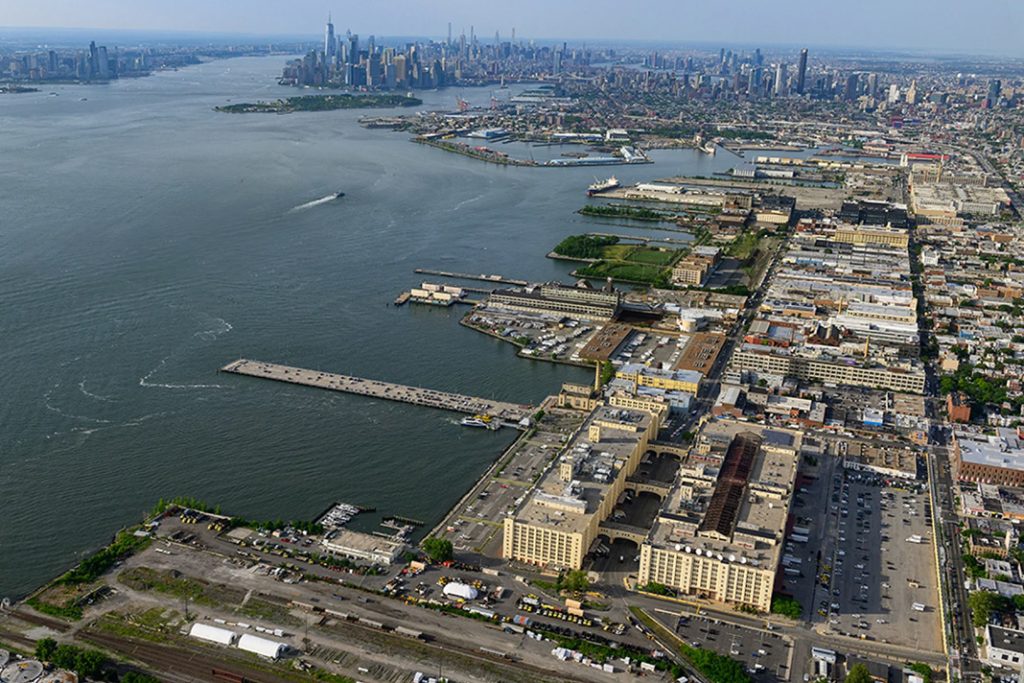
Brooklyn Army Terminal (BAT) began as a World War II-era military supply base. Today it is New York City’s largest publicly owned industrial campus, with 59 waterfront acres, more than 4 million square feet and over 100 businesses. In this episode of Industry Insights, Bridget Chansakul, Vice President of Leasing & Portfolio Management at NYCEDC, explains what space is available and what’s planned for the 250,000+ square feet of new industrial space in Building A. She also covers how the ferry, parking and on-site childcare help tenants hire and keep workers, along with workforce partnerships, City incentives for manufacturers and where BAT is headed next.
Get In Touch
Google news and SEO compliant, Industry Today’s state-of-the-art digital media platform offers bespoke media campaigns that target key decision makers and buyers to achieve your marketing and promotional goals.

Contribute
Showcase your brand and promote your business to our highly targeted audience. We offer detailed Google Analytics with measurable ROI to assure success. Submit your content for review by our Editorial team who will contact you to discuss the project further.
About Us
Reach Your Targeted Audience and Grow Your Business. Learn more About Industry Today.
Contact Us

© 2026 Industry today. All Rights reserved.