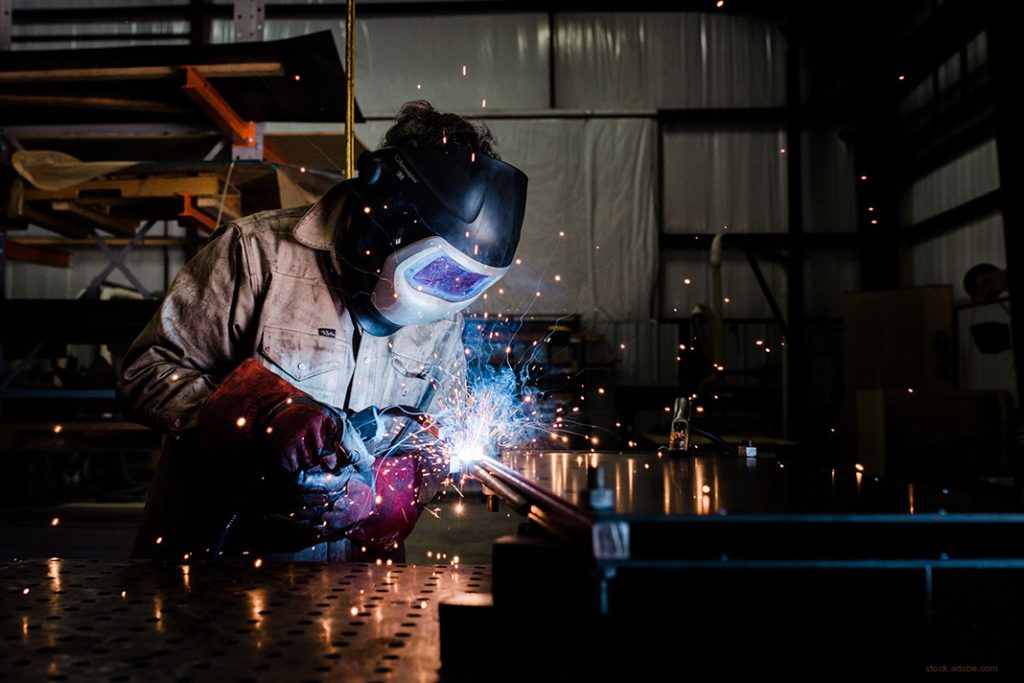
TrafFix replaced its legacy ERP with SYSPRO, a flexible, powerful ERP that is purpose-built to meet the needs of mid-market manufacturers.
When you’re out driving and pass through some road work, if you see an orange barrier or traffic divider at the scene, it’s likely you’re looking at TrafFix products. The 36-year-old manufacturer makes thousands of different traffic control devices, from a “scorpion” that saves lives when people crash into the backs of large trucks, to water barricades that keep drivers and construction workers safe.
In the past eight years, TrafFix has doubled top-line revenue and transaction volume, an impressive feat all on its own. But what’s truly remarkable is that the company has accomplished this without adding any additional employees, saving TrafFix an estimated $1 million in headcount. The secret to its success? Digital transformation.
Of course, digital transformation is not something that happens overnight. It’s a journey, and it has to begin with a strong digital foundation, which, for a manufacturer, is typically the ERP system.
TrafFix replaced its legacy ERP with SYSPRO, a flexible, powerful ERP that is purpose-built to meet the needs of mid-market manufacturers. As a result, TrafFix was able to:
TrafFix isn’t sitting on its laurels. The company has installed fully robotic arms in one of its Iowa facilities, doing work that would be dangerous for human workers. The company is currently integrating these machines into its SYSPRO ERP solution so that they will post transactions directly instead of having to be entered by a human being, which will increase efficiency and accuracy.
http://syspro.com
Contact:
714-437-1000
About SYSPRO
SYSPRO is a leading, global Enterprise Resource Planning (ERP) software provider specializing in key manufacturing and distribution industries. For over 40 years, SYSPRO’s team of specialists have continued to address unique industry needs and enable customers to easily adapt and grow. The solution is scalable and can be deployed in the cloud, on-premise, or both, and accessed via the web on any device to provide customers with choice and flexibility.
SYSPRO remains focused on the success of partners and customers. Our evolving solutions are aligned with industry trends to leverage emerging technology that will enable partners and customers in securing a digital future.
With more than 15,000 licensed companies in over 60 countries across six continents – SYSPRO offers guidance and support every step of the way as a trusted advisor.

Forging the Next 250 Years: Powering the Next Era of American Manufacturing
In this episode of Industry Insights, Ricky Watts, General Manager, Industrial and Robotics Division at Intel Corporation, explains why the Industry 4.0 groundwork manufacturers have been laying for years is now the foundation for AI at scale. He describes how IT and OT systems are finally coming together, and how agentic AI can pull data from the plant floor, the supply chain and the C-suite to find out why a production line is underperforming. Watts also covers why chips have become strategic infrastructure, the rise of physical AI and robotics in harsh industrial settings, and the skills tomorrow’s workforce will need. He finishes with a layered approach to cybersecurity in software-defined plants.
Get In Touch
Google news and SEO compliant, Industry Today’s state-of-the-art digital media platform offers bespoke media campaigns that target key decision makers and buyers to achieve your marketing and promotional goals.

Contribute
Showcase your brand and promote your business to our highly targeted audience. We offer detailed Google Analytics with measurable ROI to assure success. Submit your content for review by our Editorial team who will contact you to discuss the project further.
About Us
Reach Your Targeted Audience and Grow Your Business. Learn more About Industry Today.
Contact Us

© 2026 Industry today. All Rights reserved.