IKAR Aviation, a subsidiary of British-based IKAR Holdings targeting 2027 for entry to a battery powered aircraft.
The electric vertical take-off and landing drones will not need a runway but can travel long distances like an aeroplane.
Flying taxis will help alleviate traffic congestion in crowded cities
President of IKAR Holdings, Sertan Ayçiçek, stated “The future of flight is electric. Leaving traffic below and transporting people more safely than by car, at the speed of a small airplane, yet quietly enough to converse with fellow passengers while flying, will become a reality in the near future.
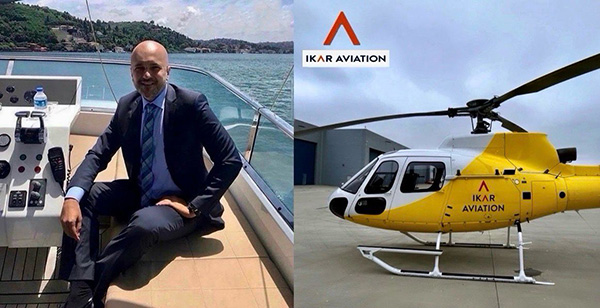
One of the key advantages of the electric motors powering these flying taxis is the reduction in noise and pollution compared to traditional aircraft. This aligns with IKAR Aviation’s commitment to environmental sustainability and contributes to the vision of efficient and eco-friendly urban air mobility.
We believe that the era of efficient and environmentally friendly urban air mobility is on the horizon, bringing about a transformative shift in the way people commute within cities.”
IKAR Holdings is a multifaceted group company based in London, comprising over 40 entities operating across 14 diverse sectors, including energy, aviation, construction, tourism, technology, E-mobility, education, and healthcare.

Forging the Next 250 Years: Powering the Next Era of American Manufacturing
As manufacturers offer more customization than ever before, managing product complexity has become a critical challenge. Tune in with Dan Joe Barry, Vice President of Product Marketing at Configit, who explores how companies are tackling the growing number of product configurations across engineering, sales, manufacturing, and service. He explains how Configuration Lifecycle Management (CLM) helps organizations maintain a single source of truth for configuration data. The result: fewer errors, faster quoting, and the ability to deliver customized products at scale.
Get In Touch
Google news and SEO compliant, Industry Today’s state-of-the-art digital media platform offers bespoke media campaigns that target key decision makers and buyers to achieve your marketing and promotional goals.

Contribute
Showcase your brand and promote your business to our highly targeted audience. We offer detailed Google Analytics with measurable ROI to assure success. Submit your content for review by our Editorial team who will contact you to discuss the project further.
About Us
Reach Your Targeted Audience and Grow Your Business. Learn more About Industry Today.
Contact Us

© 2026 Industry today. All Rights reserved.