SnapControl uniquely promotes bi-directional MQTT messaging and conversational decision-making between the WMS and remote warehouse devices.
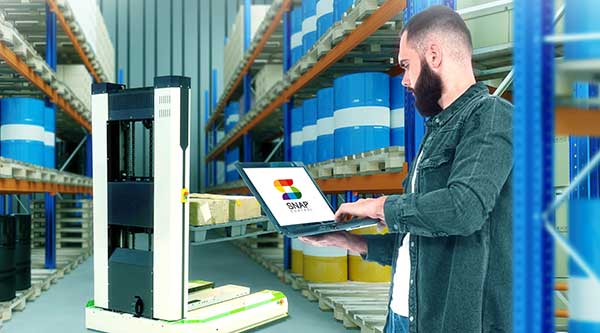
The experts behind leading edge cloud-based WMS software, SnapFulfil, have unveiled a breakthrough tech solution that orchestrates all automation devices and robotic systems within the warehouse from one centralized and convenient platform.
As a multiagent, rather than just a point solution, SnapControl brings a more uniform approach to automation, which also makes this pioneering orchestration platform completely device and technology agnostic.
SnapControl orchestrates the prioritization of work, automatically allocates tasks and workflows, evaluates which robotic devices best match specific operations, and enables data capture to assess the value each device yields – all with a low total cost of ownership and rapid time to value.
Equally, it connects to all types of devices, including RF, AMRs, Conveyors, Palletizers, Putwalls, ASRS, etc, plus in any possible transport method (API, CSV, etc,) – and if one type stops working, you can switch over to another device quickly and in real-time.

Forging the Next 250 Years: Powering the Next Era of American Manufacturing
In this episode of Industry Insights, Ricky Watts, General Manager, Industrial and Robotics Division at Intel Corporation, explains why the Industry 4.0 groundwork manufacturers have been laying for years is now the foundation for AI at scale. He describes how IT and OT systems are finally coming together, and how agentic AI can pull data from the plant floor, the supply chain and the C-suite to find out why a production line is underperforming. Watts also covers why chips have become strategic infrastructure, the rise of physical AI and robotics in harsh industrial settings, and the skills tomorrow’s workforce will need. He finishes with a layered approach to cybersecurity in software-defined plants.
Get In Touch
Google news and SEO compliant, Industry Today’s state-of-the-art digital media platform offers bespoke media campaigns that target key decision makers and buyers to achieve your marketing and promotional goals.

Contribute
Showcase your brand and promote your business to our highly targeted audience. We offer detailed Google Analytics with measurable ROI to assure success. Submit your content for review by our Editorial team who will contact you to discuss the project further.
About Us
Reach Your Targeted Audience and Grow Your Business. Learn more About Industry Today.
Contact Us

© 2026 Industry today. All Rights reserved.