Learn how to protect farm buildings from changing weather through insulation, ventilation, and climate-ready design.
Farm buildings are required to withstand the test of weather conditions throughout the year. It can be a challenge to maintain optimal temperature and humidity in them, especially considering the variety of climates that can exist. To make a truly durable structure, certain preparations need to be made that would ensure its reliable performance regardless of external factors. Such measures include proper insulation and ventilation, as well as the construction and maintenance of tools that assist in temperature regulation.
Maintaining the structure is important to the farm owner since it enables him to identify those parts that may require fixing. The owner has to conduct the examination of his roof, walls, doors, and windows. This is important since he has to fix those parts that can allow any form of moisture or air intrusion into the farm buildings. It is important since these issues can become worse during harsh weather conditions like cold, winds, rain, snow, and heat. Farm owners will not only save money but also inconvenience caused by malfunctioning buildings.
Farm owners have to conduct frequent inspection of the farm structures in order to determine whether they can meet the required standards of offering services all year round. For example, the farm structures must be able to provide adequate shelter to the livestock while at the same time giving proper ventilation.
Ventilation is an important consideration when equipping farms with the necessary resources needed to deal with all sorts of weather. Poor ventilation results in higher amounts of moisture, bad smells, and even discomfort on the part of the animals. Good ventilation guarantees replacement of the stale indoor air with fresh outdoor air. This will make the indoor atmosphere better for the well-being of the livestock and other inhabitants of the farm buildings. Additionally, ventilation avoids heat build-up inside the enclosure.
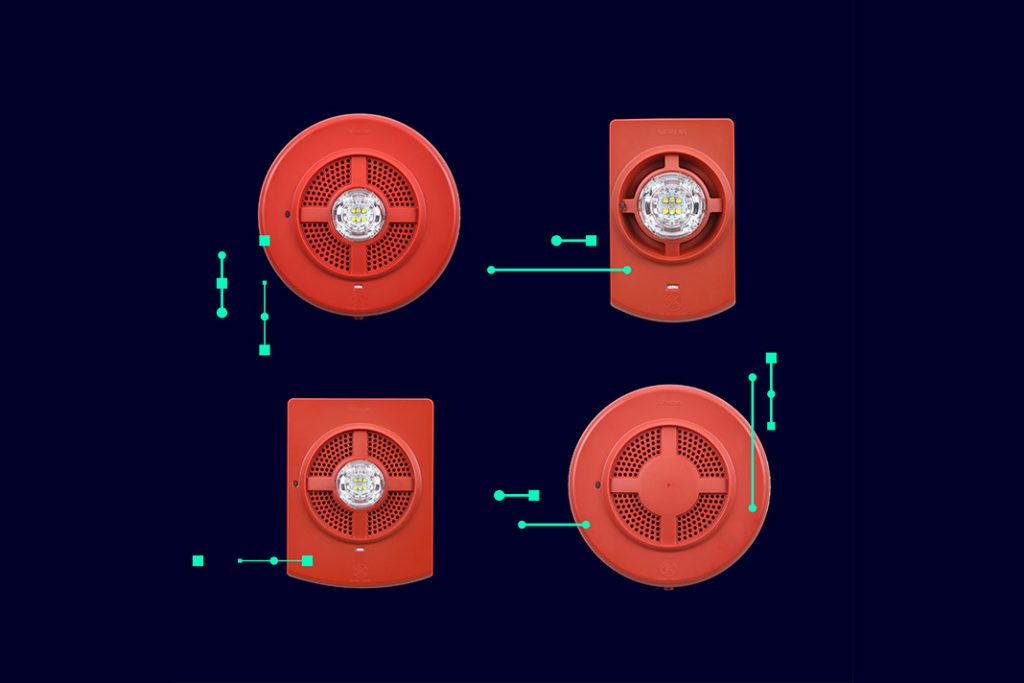
Modern buildings often utilize exhaust fans to facilitate ventilation in case of insufficient natural airflow. The latter occurs, in particular, in enclosed livestock structures heated by artificial means. By being able to control temperatures inside farm buildings, farmers can ensure the comfort of their animals as well as proper functionality of the structures.
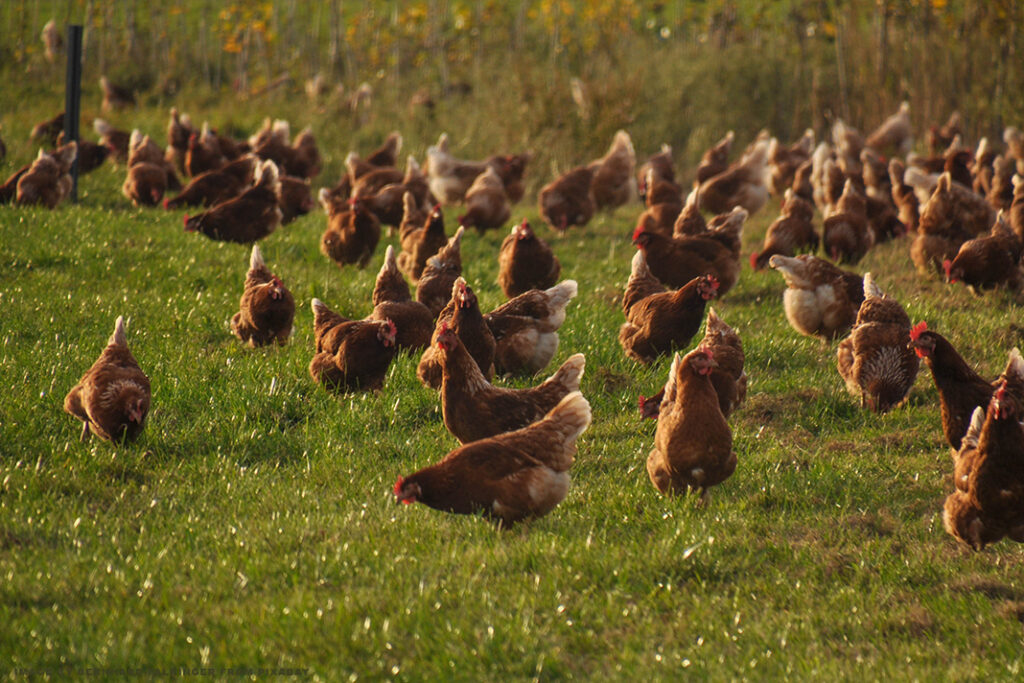
While preparing livestock housing, one should focus not only on the provision of interior conditions for animals. Particular attention must be paid to feeding, watering, and moving places. For instance, constructing cattle troughs in appropriate places will help provide cattle with water and avoid serious problems with cold weather, mud, and hot dry seasons. These and many other details should be taken into consideration regarding animal husbandry to establish everyday routines.
Houses for animals should be built using reliable materials to guarantee animals’ safety and prevent unwanted incidents. It is essential to maintain and check all the parts of constructions to ensure proper usage without threats and complications. If a cattle gate is broken, it will be challenging to provide herds with warm and safe places during cold seasons or adverse weather conditions.
Weather preparation must contain the maintenance plan for the farm’s building components and equipment. It is critical to make sure that the ventilation system, electricity, and other essential elements are in good working order. In addition, it is paramount to organize preventive maintenance to avoid breakdowns that could interfere with animal management or production processes.
Upgrading technology and equipment can also help farms to become more agile and flexible. The use of new solutions can make buildings energy-efficient and reliable. Although different farms have different requirements, such investments can maximize the efficiency of operations while ensuring the creation of safe and comfortable conditions for animals.
Preparing your farm buildings for weather changes includes ensuring good airflow, structural integrity, livestock comfort, and proper maintenance. These are just a few measures that will help you achieve good functionality in your agricultural venture. Your preparation skills can give you an advantage in the best farm production during adverse weather seasons.

Forging the Next 250 Years: Powering the Next Era of American Manufacturing
As manufacturers offer more customization than ever before, managing product complexity has become a critical challenge. Tune in with Dan Joe Barry, Vice President of Product Marketing at Configit, who explores how companies are tackling the growing number of product configurations across engineering, sales, manufacturing, and service. He explains how Configuration Lifecycle Management (CLM) helps organizations maintain a single source of truth for configuration data. The result: fewer errors, faster quoting, and the ability to deliver customized products at scale.
Get In Touch
Google news and SEO compliant, Industry Today’s state-of-the-art digital media platform offers bespoke media campaigns that target key decision makers and buyers to achieve your marketing and promotional goals.

Contribute
Showcase your brand and promote your business to our highly targeted audience. We offer detailed Google Analytics with measurable ROI to assure success. Submit your content for review by our Editorial team who will contact you to discuss the project further.
About Us
Reach Your Targeted Audience and Grow Your Business. Learn more About Industry Today.
Contact Us

© 2026 Industry today. All Rights reserved.