What can leaders do to drive competitive advantage amid the 2026 U.S. manufacturing boom?
By: Tom Strohl, President at Oliver Wight Americas
Amid the 2026 manufacturing boom one of the biggest challenges emerging on top of technology is a leadership gap. Organizations prepared with clear decision frameworks, disciplined workforce development, and motivated, tech-ready employees will have the capabilities to implement AI and robotics successfully. Leaders in this era should look at automation as a cultural shift, those proactively aligning their organizations at every level can drive strong operational growth.
In the U.S., manufacturing expansion is underway. The industry is seeing tangible production growth from a combination of technological advancements, capital commitments, tariff stabilization, and tax code changes. The Institute for Supply Management reported that May was the fifth straight month of expansion for the manufacturing sector. As manufacturers invest heavily in AI, automation, and advanced planning capabilities, a key question remains: do they have the leadership, talent, and organizational alignment needed to turn those investments into lasting competitive advantage?
AI is being integrated across major businesses and operations, helping organizations to drastically shorten planning cycles. Tasks that have historically taken weeks or months can now be done in days, allowing leaders to accelerate scenario modeling and prioritize making strategic business decisions that benefit the company as a whole.
At the same time, both domestic and global trading partners have increased capital commitments, driven by growing market stability. The tariff disruptions from 2025 have become more manageable, and companies can shift from short term reactions to long term planning as the next step in bolstering those supply chains.
Favorable tax code changes taking effect have also accelerated capital deployment. Companies, including small manufacturers, can now realize immediate financial benefits, rather than waiting for future returns. Unlike previous periods of optimism, these combined incentives have led to meaningful growth across the manufacturing sector.
“As leaders are being asked to manage multiple structural shifts at once, a long-term vision is key for addressing the skills gap and making sure organizations are prepared for this next phase of domestic manufacturing.”
– Tom Strohl, President, Oliver Wight Americas

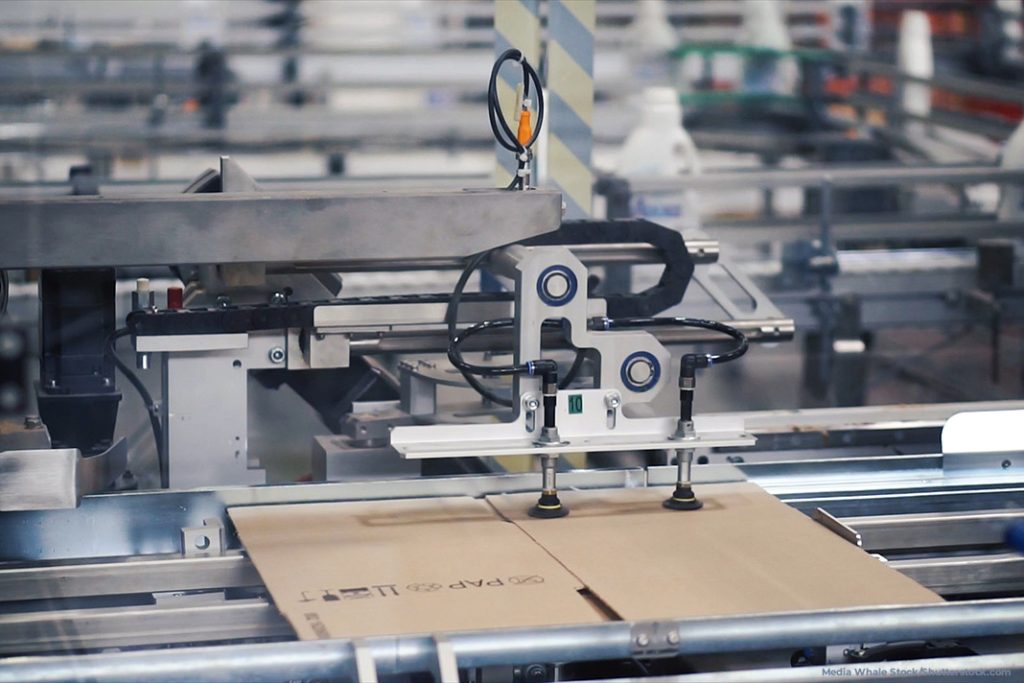
Technology is increasingly being added not only on the shop floor, to reduce labor market stressors, help with materials handling, and improve warehouse throughput, but also in reshaping decision speed.
Over the next few years, AI has the potential to drastically increase analysis in areas such as demand planning, scenario modeling, capital prioritization, and responses to supply chain disruptions. Right now, however, human oversight is needed more than ever as technology continues to learn. Technology can surface recommendations, but leaders must provide context, evaluate tradeoffs, and remain accountable for business outcomes.
Leaders who are going to win in this environment of accelerated growth and technological adoption need to implement a structured planning process, like IBP. By creating long-range visibility, organizations can step out of constant chaos and give leaders room to focus on operationalizing strategy.
Leadership accountability becomes particularly important as many highly skilled trade and operational workers retire. The loss of institutional knowledge creates another challenge for organizations to overcome.
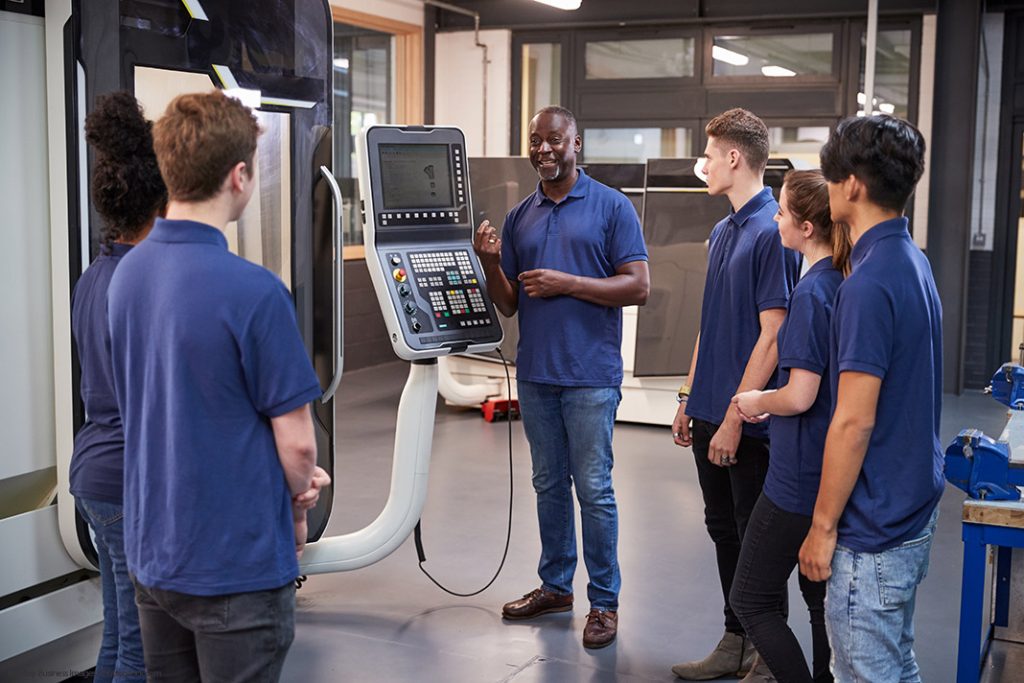
Addressing this requires more than hiring new people. Developing the future workforce starts with encouraging STEM courses in high schools and trade schools to prepare workers for modern environments that include new robotics, sensors, and AI-enabled equipment. Education doesn’t stop there. Leaders need to invest in disciplined training, apprenticeship, and reskilling programs for new hires and current employees.
Additionally, leaders should build an environment where employees want to engage with technology. Creating a learning environment stems from showing how technology can advance an employee’s career rather than replacing their role. Shifting the mindset away from technology as a risk will drive the use of automation as a long-term competitive advantage. Lack of motivation is more often tied to poor leadership communication than an unwillingness to learn.
A long-term vision may appear counterintuitive when changes happen at breakneck speed; however, looking 2-3 years into the future is key. With a strategic vision set in place, leaders have time to define tactics to operationalize their strategy and implement robust aggregate level alternative scenario planning into their regular routines. Consistent scenario planning means that when disruption hits, leaders have already thought through the “what ifs?”
Real-world applications of this approach show clear operational benefits. In one client organization, the implementation of a long-term framework along with regular scenario thinking showed leaders the risk of a potential strike before negotiations broke down. What could have been a costly shock to the system was mitigated. The company pre-built inventory and adjusted the flow of goods through their supply chain when the risk became visible, not after it happened.
Establishing consistent scenario planning helps organizations identify vulnerabilities, test assumptions, and prepare responses before events occur. So, when disruption inevitably arrives, leaders who have already evaluated potential outcomes can respond with confidence and speed.

The 2026 U.S. manufacturing boom presents many opportunities, however, navigating this expansion successfully requires leaders to move from a state of constant crisis management to one of structured, long-term visibility. By closing gaps and aligning leadership around a strategic planning framework, like Integrated Business Planning, organizations can transform potential disruptions into distinct competitive advantages.
Leaders who adopt a unified approach, motivate and teach their workforce, and build structured planning processes can grow with the manufacturing boom, rather than falling behind or breaking down.
There is a current demographic shift in manufacturing. Highly skilled, older, trade and operational workers are retiring, leaving massive talent gaps in these roles across industries. It is up to leaders to address the loss of critical knowledge in their organization.
AI is serving leaders as a speed enhancer; compressing planning cycles, shifting focus from reactive to proactive execution, and enhancing strategic human insights that align with company strategy.
All sectors involved in the U.S. manufacturing supply chain and warehousing are affected. Specifically, companies reliant on manual data gathering, human material handling, and roles susceptible to retiring workforces.
About the Author:
As President of Oliver Wight Americas, Tom Strohl brings over 30 years of practical industry experience in supply chain operations. Since joining Oliver Wight, he has worked with many companies across a range of industries, including Pharma, Chemical, Oil and Gas, Aerospace, CPG, Light Industrial Manufacturing, and Heavy Equipment Manufacturing. He has led numerous successful Class A implementations for both IBP/S&OP and detailed execution-level planning processes.
Read more from the author
The Real Reason You’re Missing Your Numbers (It’s Not The Forecast) | Forbes, 5/20/2026
How Leadership Teams Can Strengthen Decision-Making | Supply Chain Brain, 2/2/2026

Forging the Next 250 Years: Powering the Next Era of American Manufacturing
As manufacturers offer more customization than ever before, managing product complexity has become a critical challenge. Tune in with Dan Joe Barry, Vice President of Product Marketing at Configit, who explores how companies are tackling the growing number of product configurations across engineering, sales, manufacturing, and service. He explains how Configuration Lifecycle Management (CLM) helps organizations maintain a single source of truth for configuration data. The result: fewer errors, faster quoting, and the ability to deliver customized products at scale.
Get In Touch
Google news and SEO compliant, Industry Today’s state-of-the-art digital media platform offers bespoke media campaigns that target key decision makers and buyers to achieve your marketing and promotional goals.

Contribute
Showcase your brand and promote your business to our highly targeted audience. We offer detailed Google Analytics with measurable ROI to assure success. Submit your content for review by our Editorial team who will contact you to discuss the project further.
About Us
Reach Your Targeted Audience and Grow Your Business. Learn more About Industry Today.
Contact Us

© 2026 Industry today. All Rights reserved.