Electric construction equipment is becoming a practical fleet decision.
By Matt Preston, VP, New England, The Pete Store
Electric vehicle (EV) adoption is accelerating in construction as contractors, equipment manufacturers, and project owners pursue lower emissions, quieter jobsites, and reduced operating costs. What began with small, battery-powered hand tools and compact equipment is expanding to include larger off-road machinery, on-road fleets, and temporary power solutions.
Construction executives are used to hearing that electrification is coming, but the more useful insight is determining where electric equipment can work today without disrupting project schedules, field productivity, or uptime. As battery performance improves and charging options expand, EVs and battery-powered machinery are becoming practical options for applications where route predictability, controlled duty cycles, lower noise, and reduced exhaust can create measurable operational value.
According to a recent report, the global electric construction equipment market will grow from $4.51 billion in 2025 to $14.36 billion by 2032, driven in part by emissions standards, noise rules, and lower maintenance needs. It also notes that battery-electric construction equipment is gaining traction in applications where compact excavators, loaders, and forklifts can operate for a full shift on advanced lithium-ion batteries.
Construction leaders should view that growth with both interest and discipline. Electrification is not a universal replacement for diesel across every jobsite, vehicle class, or duty cycle. However, contractors that take a measured approach will be better positioned to reduce emissions, meet client and regulatory expectations, and protect productivity in the field.
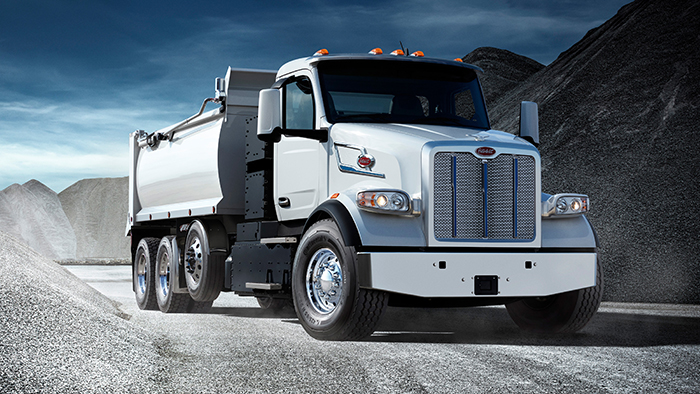
Construction has several characteristics that make electrification more practical than it may appear at first glance. Many jobsites involve defined service areas, repeatable tasks, and predictable daily schedules. Those conditions make it easier to evaluate whether a battery-electric truck, compact machine, or support vehicle can complete its shift and return to a known charging location.
Electric equipment can also address jobsite concerns that extend beyond fuel costs, particularly in areas where exhaust, sound levels, and regulatory requirements shape how work gets done. Those benefits matter most in urban construction, indoor work, utility projects, residential areas, and projects near hospitals, schools, or dense neighborhoods where air quality and sound levels receive greater scrutiny.
Noise reduction may seem like an unnecessary soft benefit, but in reality, it holds significant power. Lower sound levels can improve communication among operators, flaggers, and site supervisors. Quieter equipment can also extend the hours during which work is acceptable in certain municipalities or customer environments. Exhaust reduction can be especially important for enclosed or partially enclosed work areas, where ventilation and worker exposure already require careful planning.
Electric construction vehicles can also help contractors respond to growing customer expectations. Public agencies, large developers, and corporate clients are asking contractors to document emissions reduction plans and demonstrate progress toward sustainability goals. Electric trucks and machines give contractors a tangible way to support those requirements without relying solely on offsets or future commitments.
Fleet managers and construction executives don’t adopt new equipment because it sounds innovative. They adopt it when it helps complete work safely, reliably, and profitably. Electric vehicles must be evaluated through that same lens.
Uptime should remain the first filter. Before adding electric equipment, contractors need to understand daily range requirements, idle time, payload demands, attachment usage, charging windows, and backup plans. A compact electric loader working on a fixed urban jobsite has a very different use case than a heavy truck moving material across unpredictable distances. The first may be ready for electrification now, while the second may require more infrastructure, better route certainty, or additional vehicle availability.
McKinsey found that battery-electric machinery can already be economically viable in certain heavy equipment applications, but adoption depends on barriers tied to technology and accessibility. The firm also estimates that a large-scale shift toward electric equipment could generate more than $30 billion in annual operating savings for operators, assuming adoption across roughly 20% of applications.
Those savings won’t arrive automatically or run on a “set it and forget it” mentality. Contractors must plan around charging capacity, site power, maintenance training, and equipment utilization. A machine that spends too much time waiting for a charger won’t create a stronger business case than diesel. A truck that can’t meet payload or route requirements will create frustration rather than savings. Electrification works when the fleet plan is built around real operating conditions rather than on broad market enthusiasm.
Charging infrastructure is often treated as a facilities or utility problem, but construction companies should treat it as a project planning issue. Charging affects dispatch, staging, site logistics, labor scheduling, and equipment rotation. Contractors who wait until vehicles arrive to think about charging may face costly delays.
Depot-based charging is often the most practical starting point. Vehicles and machines that return to a yard or central location each night can be charged during predictable off-hours.
The U.S. Environmental Protection Agency’s Clean Heavy-Duty Vehicles Program is focused on replacing existing internal combustion engine Class 6 and Class 7 vehicles with zero-emission vehicles and related infrastructure. The agency says the program supports vehicles, infrastructure, and workforce development tied to deployment. Even when a specific grant doesn’t apply to a contractor’s fleet, federal programs are a signal that infrastructure and training will remain central to heavy-duty electrification.
Construction leaders should also evaluate power availability early in the bidding or planning process. A site may have enough power for trailers and lighting, but not enough to support high-capacity vehicle charging without upgrades. Early coordination can prevent change orders, scheduling conflicts, and charger installations that don’t align with the fleet’s actual needs.
The industry is under pressure to deliver projects despite labor constraints, rising customer expectations, and stricter emissions requirements. EVs and equipment can help contractors respond to these pressures when adoption is tied to real operating needs rather than broad sustainability goals.
Construction companies don’t need to electrify everything at once. A stronger approach begins with a fleet assessment that identifies the best-fit use cases. Compact equipment may be a good starting point for one contractor, while yard trucks, service vehicles, or urban jobsite machines may make more sense for another. Pilot programs should be built around performance data that shows how equipment performs in the field.
Workforce planning should also be part of the operating plan. The Associated General Contractors of America and the National Center for Construction Education and Research reported in their 2025 Workforce Survey that construction labor shortages continue to affect firms and projects. As electric equipment becomes more technology-enabled, contractors will need to support diesel technicians, service providers, and operators with training that reflects new maintenance and charging requirements.
Applications with predictable routes and centralized depots are often better suited for electrification. Dedicated overnight charging can also help contractors keep equipment ready without disrupting field schedules. The fastest progress will likely come from contractors that secure reliable grid access. Standardized charging and maintenance practices can make early gains easier to repeat across multiple sites.
Over the next several years, adoption is expected to move beyond compact and support equipment as battery performance improves. Contractors who connect equipment decisions with charging plans and workforce development will be better positioned to reduce emissions without compromising uptime.
Success depends on addressing factors such as equipment diversity, payload requirements, range limitations, and charging infrastructure before deployment. While electrification is proving successful in certain applications, fleet managers must carefully match equipment capabilities with operational demands to avoid compromising productivity. Those who take a measured approach will be best positioned to capture the benefits of electrification while maintaining productivity in the field.
About the Author:
Matt Preston is the Vice President of New England for The Pete Store. Operating out of the Greater Boston area, he manages operations and sales across the region, bringing extensive management experience to the heavy-duty trucking and automotive industry.

Forging the Next 250 Years: Powering the Next Era of American Manufacturing
As manufacturers offer more customization than ever before, managing product complexity has become a critical challenge. Tune in with Dan Joe Barry, Vice President of Product Marketing at Configit, who explores how companies are tackling the growing number of product configurations across engineering, sales, manufacturing, and service. He explains how Configuration Lifecycle Management (CLM) helps organizations maintain a single source of truth for configuration data. The result: fewer errors, faster quoting, and the ability to deliver customized products at scale.
Get In Touch
Google news and SEO compliant, Industry Today’s state-of-the-art digital media platform offers bespoke media campaigns that target key decision makers and buyers to achieve your marketing and promotional goals.

Contribute
Showcase your brand and promote your business to our highly targeted audience. We offer detailed Google Analytics with measurable ROI to assure success. Submit your content for review by our Editorial team who will contact you to discuss the project further.
About Us
Reach Your Targeted Audience and Grow Your Business. Learn more About Industry Today.
Contact Us

© 2026 Industry today. All Rights reserved.