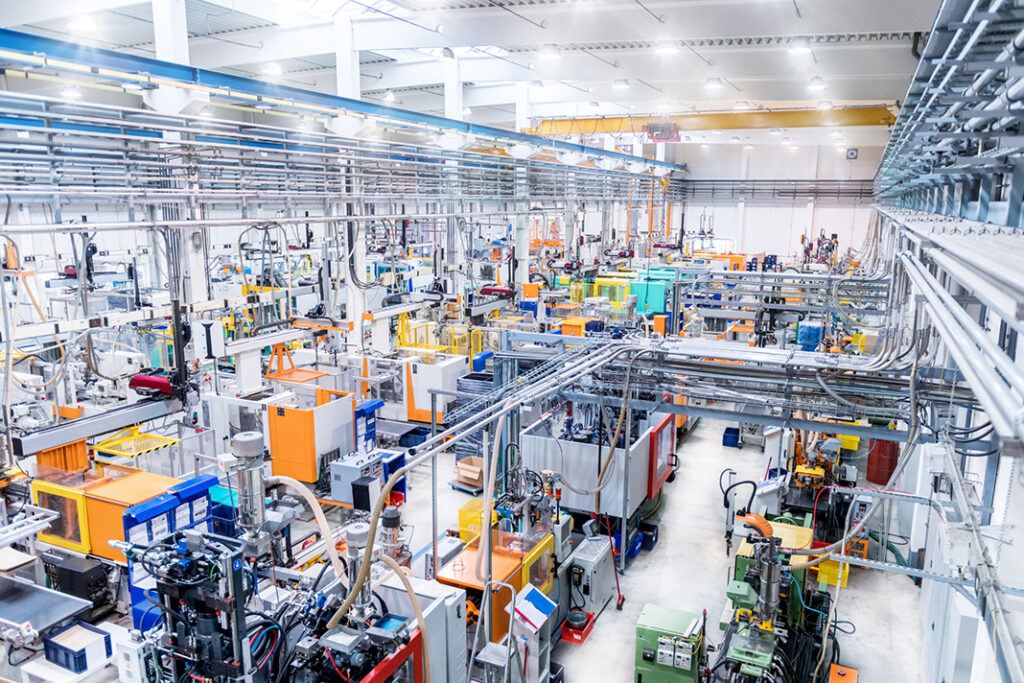
A look at when and why you should upgrade to a compact hydraulic power unit.
Hydraulic systems don’t fail all at once. They degrade slowly, and by the time most operators catch on to serious problems, they’ve already spent months paying for symptoms rather than fixing the root cause. Does your current power unit need constant attention? Runs hot? Struggles to maintain consistent pressure? Those aren’t minor inconveniences; they’re the system telling you something’s shifted. Deciding when to upgrade to a compact hydraulic power unit isn’t just a maintenance question; it’s a financial decision with long-term consequences for productivity, energy costs, and operational safety. Here’s the thing: upgrades aren’t cheap. But the signals are usually clear, the analysis is straightforward, and acting earlier almost always costs less than waiting.
Compact hydraulic power units have become a practical choice for operators across many industries, from workshop machinery to mobile equipment and agricultural tools. You’ve probably looked into your options by now, and you’ll notice that specialized equipment suppliers stock everything from entry-level to higher-capacity configurations. You can buy hydraulic power unit with tank online through these distributors whenever you’re ready. That access matters because the upgrade decision often becomes urgent faster than expected. Older units develop cascading problems: one worn component stresses the next, and what starts as a minor seal leak eventually manifests as pressure instability throughout the system. Recognizing warning signs early gives you time to plan the replacement properly rather than scrambling during a breakdown.
Two indicators stand out. Maintenance cost trends. Measurable performance decline. Both tell the same story from different angles.
Maintenance costs are one of the clearest financial signals that an aging hydraulic power unit has reached the end of its productive life. A single repair doesn’t mean much on its own; the pattern does. If your maintenance log shows repairs happening more frequently across successive quarters, and if each round costs more than the last because technicians are now replacing components that were previously fine, the unit is entering a failure cascade. Seal replacements lead to pump rebuilds, which lead to valve replacements, and the system never quite returns to its original performance level after each fix.
Beyond direct repair costs, you’re also absorbing lost production expenses: lost production hours, delayed jobs, labor cost of emergency service calls that could’ve been scheduled maintenance. A useful threshold many equipment managers use is the 50% rule; when annual maintenance spending on a unit approaches 50% of its replacement cost, repair no longer makes financial sense. You’re paying to delay an inevitable upgrade while productivity suffers in the meantime.
Performance decline in a hydraulic power unit shows up in measurable ways before complete failure occurs. Actuators that once moved smoothly start hesitating. Cycle times stretch beyond their specified range. Pressure readings fluctuate even under consistent load conditions, which points to internal leakage, worn pump components, or degraded valve seating; any one of these issues can compromise the precision of the equipment the unit operates.
Power consumption is another dimension worth tracking. Older hydraulic units, particularly those built without modern variable-displacement technology, consume more electricity per unit of work as internal components wear. A pump that compensates for internal leakage by working harder increases power consumption without delivering more output. That increase in electricity cost is gradual enough to miss month to month but noticeable when compared to your consumption from two or three years earlier.
And reliability? It matters most in production-dependent environments. An unpredictable unit forces operators to build buffer time into schedules, which compounds productivity losses far beyond what the lost production time itself would suggest.
The shift toward compact hydraulic power units isn’t a trend. It reflects real changes in how industrial and commercial equipment gets used, and the design advances that have made smaller units genuinely capable of handling workloads that once required much larger systems. Modern compact units deliver comparable flow rates and pressure ranges in a fraction of the physical footprint, using components built to tighter tolerances than what was standard a decade ago. For operators who upgrade after years on an older system, the performance difference is often immediate and measurable.
Space and cost structure explain most of that improvement.
Physical footprint matters more than it used to. Workshops shrink; mobile equipment has weight limits; automation cells need to fit within defined envelopes. A compact hydraulic power unit solves placement problems that an older, larger unit couldn’t address without major facility changes.
Modern compact designs combine the reservoir, pump, motor, and control valves into a single packaged unit. That combined design eliminates many of the external hose runs and fittings that older modular systems relied on, reducing the number of potential leak points; fewer connections mean fewer failure modes. The design also simplifies installation, which cuts labor hours during initial setup and makes future service more accessible because technicians aren’t working around complex plumbing.
Noise reduction is another benefit. Many newer compact units incorporate quieter motor designs and reservoir baffling that older open-frame systems lacked entirely. In environments where noise affects worker comfort or compliance requirements, that improvement carries real value beyond the mechanical performance gains.
Operating cost is where compact hydraulic power units make their strongest financial argument. Modern units often include pressure-compensated or load-sensing controls that reduce energy consumption during low-demand portions of a cycle. An older fixed-displacement system runs at full output even when the application doesn’t need it; that wasted energy adds up across thousands of operating hours. Newer hydraulic fluid formulations and improved sealing technology extend oil change intervals and component service life, which reduces both fluid costs and scheduled maintenance hours.
Warranties on new units provide another layer of financial protection that aged equipment simply can’t offer. If something fails in the first year on a new compact unit, the replacement cost lands on the manufacturer; on a 15-year-old unit, every failure is yours to absorb. The combination of lower energy use, longer service intervals, and warranty coverage shifts the cost-per-hour calculation decisively in favor of modern compact units once you account for the full ownership period rather than just the purchase price.
The best time to upgrade to a compact hydraulic power unit is before a failure forces the decision. That sounds obvious, but most operators wait until a breakdown makes the choice for them, which removes any ability to plan the transition. A structured cost-of-ownership analysis gives you a defensible answer based on your actual numbers rather than a gut call.
A cost-of-ownership analysis for an aging hydraulic unit covers four categories of expenditure. First: direct repair costs, pull your maintenance records for the past two to three years, and total every invoice. Second: energy costs; compare your unit’s rated performance at installation against current power consumption, accounting for the degradation that internal wear produces. Third: lost production costs; assign a dollar value to production hours lost during unplanned breakdowns, including labor standing idle and jobs that missed deadlines. Fourth: risk costs; estimate the probability and financial impact of a complete failure during a high-priority job.
Once those four numbers are on paper, compare the total against the purchase price plus the installation cost of a replacement compact unit. In most cases, operators find that a unit generating more than $1,500 to $2,500 in annual combined costs has already crossed the financial break-even point for replacement, especially when the new unit comes with a warranty, lower energy draw, and a reset maintenance clock.
Knowing when to upgrade to a compact hydraulic power unit comes down to tracking the right signals: rising repair frequency, measurable performance decline, and an honest cost-of-ownership comparison. Stop treating it as a capital expense and start treating it as a cost-reduction strategy. Compact units deliver real space savings, lower operating costs, and fewer unplanned failures than the aging systems they replace. Run the numbers on your current unit, set a threshold for when repair costs no longer make sense, and plan the transition before a breakdown makes the choice for you.

Forging the Next 250 Years: Powering the Next Era of American Manufacturing
As manufacturers offer more customization than ever before, managing product complexity has become a critical challenge. Tune in with Dan Joe Barry, Vice President of Product Marketing at Configit, who explores how companies are tackling the growing number of product configurations across engineering, sales, manufacturing, and service. He explains how Configuration Lifecycle Management (CLM) helps organizations maintain a single source of truth for configuration data. The result: fewer errors, faster quoting, and the ability to deliver customized products at scale.
Get In Touch
Google news and SEO compliant, Industry Today’s state-of-the-art digital media platform offers bespoke media campaigns that target key decision makers and buyers to achieve your marketing and promotional goals.

Contribute
Showcase your brand and promote your business to our highly targeted audience. We offer detailed Google Analytics with measurable ROI to assure success. Submit your content for review by our Editorial team who will contact you to discuss the project further.
About Us
Reach Your Targeted Audience and Grow Your Business. Learn more About Industry Today.
Contact Us

© 2026 Industry today. All Rights reserved.