When workplace injuries involve third-party liability.
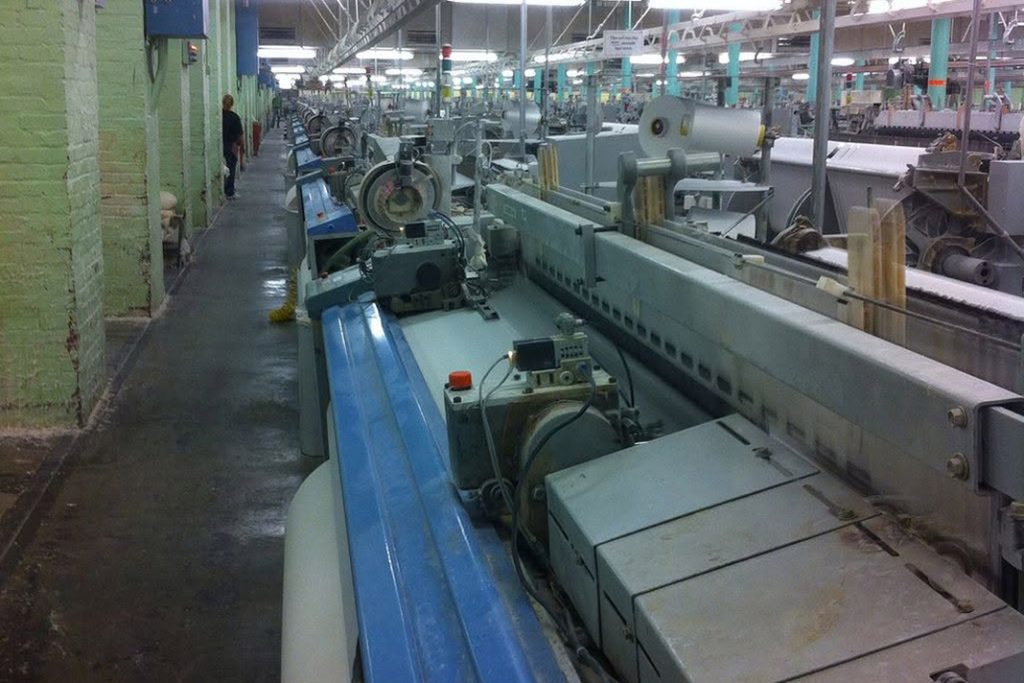
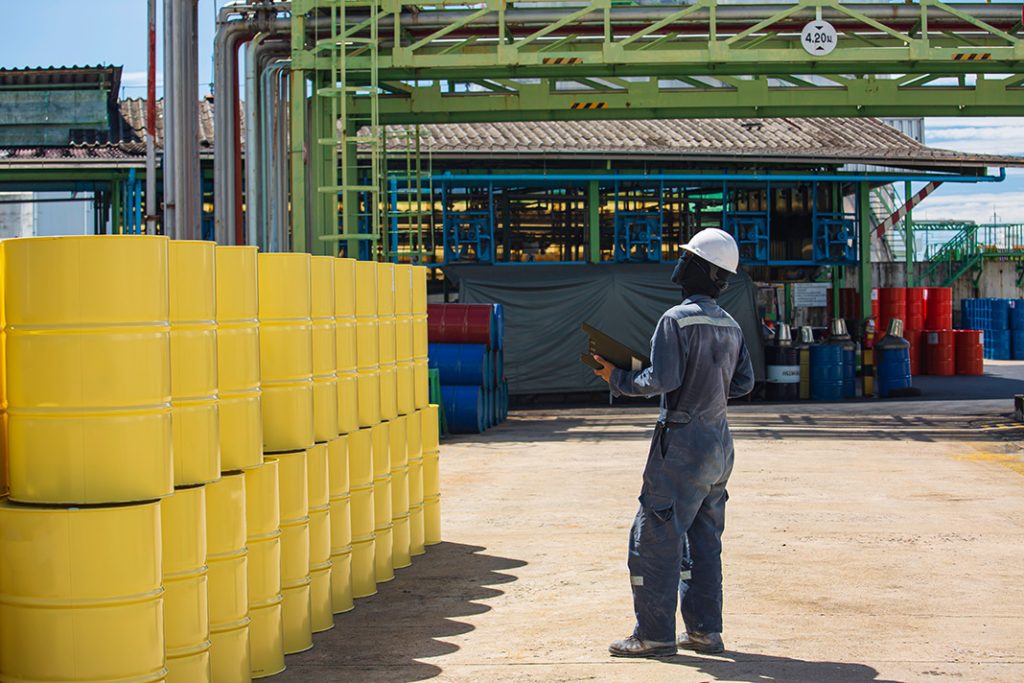
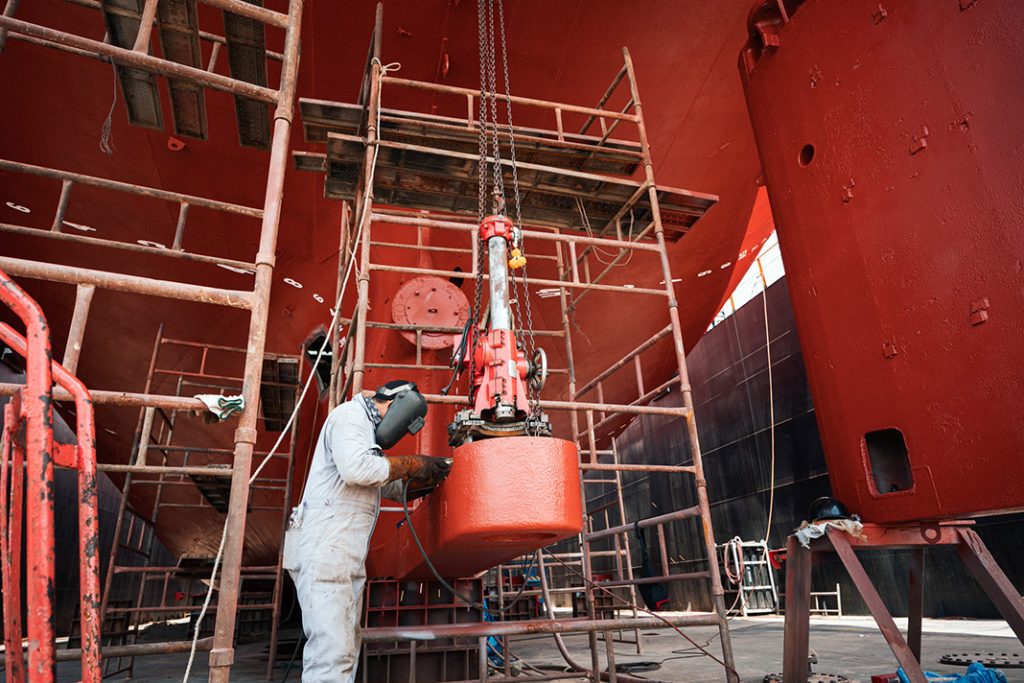
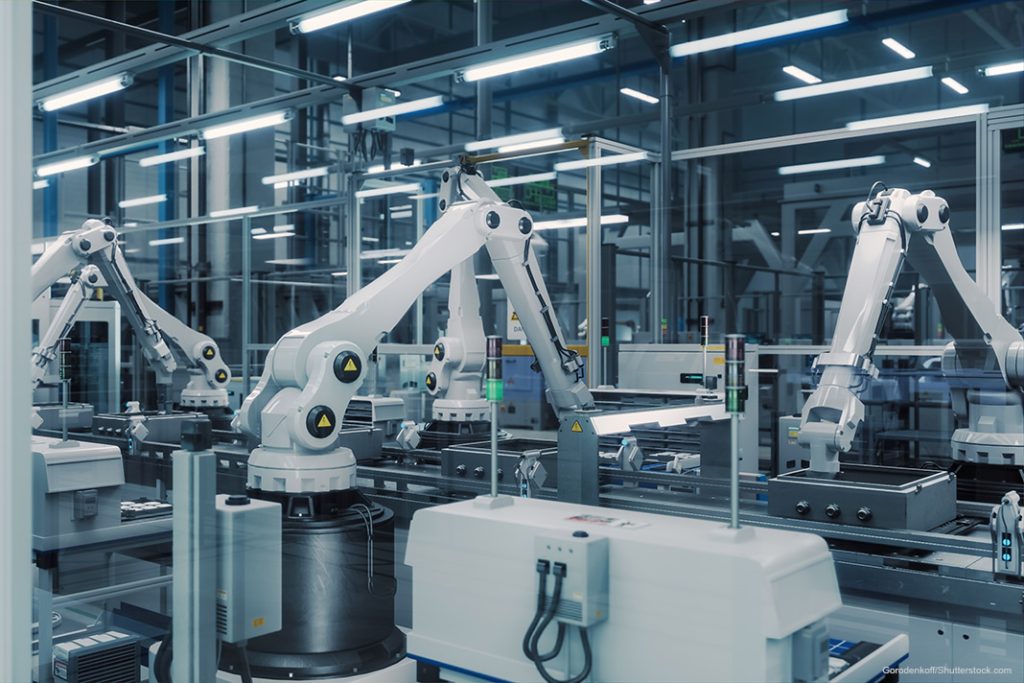
Industrial plants and manufacturing facilities drive much of Ohio’s economic output, but they also host some of the most dangerous work environments in the state. Heavy machinery, automated assembly lines, high-voltage electrical systems, and toxic chemical handling mean that even a minor safety oversight can result in severe physical harm.
When a manufacturing worker is injured on the job, the immediate assumption is that workers’ compensation is the only available remedy. However, complex industrial environments frequently involve outside vendors, equipment manufacturers, and third-party contractors—opening the door to personal injury claims that extend beyond standard state benefits.
Under Ohio law, workers’ compensation operates as a “no-fault” system, providing medical coverage and partial wage replacement regardless of who caused the incident. In exchange, employees generally cannot sue their direct employer for negligence.
This legal limitation, however, fails to shield outside companies whose careless actions play a role in a devastating plant accident. Pinpointing third-party liability is vital, as standard workers’ comp policies leave out non-economic losses—including pain and suffering—and fail to restore full lost earnings.
For workers in southwest Ohio navigating these legal complexities, consulting an experienced firm on Dayton personal injury claims—such as The Attkisson Law Firm—can help clarify whether a third-party lawsuit is viable alongside an initial workers’ compensation filing. Understanding these overlapping layers of responsibility ensures that injured workers do not leave crucial financial compensation on the table.
Manufacturing facilities rely on heavy, high-speed machinery designed to cut, stamp, press, or transport materials. When safety mechanisms fail or design defects exist, the resulting injuries—ranging from crushed limbs to traumatic brain injuries—are often life-altering.
Federal OSHA standards require protective physical barriers around hazardous operational zones, spinning components, and power-transmission equipment. When an equipment manufacturer supplies machinery lacking proper safety shields, or when an outside service contractor disables safety interlocks during maintenance, those entities can be held legally accountable through product liability or personal injury suits.
Proper lockout/tagout (LOTO) protocols ensure machinery cannot unexpectedly power on or discharge residual energy while undergoing repairs or jam-clearing. Should independent contractors or outside engineering personnel ignore these mandatory LOTO steps, nearby plant operators risk catastrophic crush injuries or life-threatening electrical burns.
Industrial warehouses and plant floors see continuous traffic from forklifts, overhead cranes, and automated guided vehicles (AGVs). Collisions often occur due to defective braking systems, improper maintenance by leasing agencies, or negligent operation by outside logistics contractors operating within the facility.
Documenting the physical environment and gathering objective evidence in the hours following an industrial accident is vital for preserving both workers’ compensation rights and third-party civil claims.
Ohio law enforces strict statutes of limitations for injury claims. While standard workers’ compensation claims must generally be filed within one year of the injury date, third-party personal injury lawsuits carry a strict two-year filing deadline.
Failing to investigate the accident scene promptly can lead to crucial evidence being destroyed, machinery being repaired or modified, or electronic telematics data being overwritten. Early investigation allows legal experts to inspect the machinery before repairs alter the physical evidence.
Preventing severe plant injuries requires a proactive commitment to safety from equipment manufacturers, facility operators, and third-party contractors alike. By holding negligent manufacturers and external vendors accountable through third-party claims, injured workers not only secure the financial recovery needed for medical care and lost wages but also incentivize higher safety standards across the manufacturing sector.

Forging the Next 250 Years: Powering the Next Era of American Manufacturing
As manufacturers offer more customization than ever before, managing product complexity has become a critical challenge. Tune in with Dan Joe Barry, Vice President of Product Marketing at Configit, who explores how companies are tackling the growing number of product configurations across engineering, sales, manufacturing, and service. He explains how Configuration Lifecycle Management (CLM) helps organizations maintain a single source of truth for configuration data. The result: fewer errors, faster quoting, and the ability to deliver customized products at scale.
Get In Touch
Google news and SEO compliant, Industry Today’s state-of-the-art digital media platform offers bespoke media campaigns that target key decision makers and buyers to achieve your marketing and promotional goals.

Contribute
Showcase your brand and promote your business to our highly targeted audience. We offer detailed Google Analytics with measurable ROI to assure success. Submit your content for review by our Editorial team who will contact you to discuss the project further.
About Us
Reach Your Targeted Audience and Grow Your Business. Learn more About Industry Today.
Contact Us

© 2026 Industry today. All Rights reserved.