By Dale Crawford, Executive Director, Steel Tube Institute.
Industrial policy is often debated in terms of tariffs, trade negotiations and political priorities. But for manufacturers, policy is not theoretical. It shows up in equipment purchase decisions, hiring plans and long-term investment strategies. For domestic steel producers, the real measure of industrial policy is not what is said in Washington, but whether conditions on the factory floor support reinvestment, modernization and growth.
The national conversation around industrial policy often centers on tariffs, trade rules and political positioning. While these debates are important, they only capture part of the story. The real impact of policy decisions is felt inside manufacturing facilities where companies must translate policy signals into operational decisions that affect employees, equipment and long term investment plans.
Domestic steel producers are navigating reshoring efforts, trade adjustments and supply chain pressures while also making critical decisions about the future of their operations. These companies must consider how to modernize equipment, expand production capacity and recruit the skilled workforce needed to support increasingly advanced manufacturing processes.
Manufacturing investments are rarely short term commitments. Upgrading production technology, expanding facilities and developing workforce training programs often require planning cycles that extend ten to twenty years into the future. Because these decisions play out over decades, manufacturers must evaluate whether the market environment will support sustained domestic production before committing significant capital.
Another critical part of that environment is consistent enforcement of trade laws. Manufacturers depend on fair competition when making long term investment decisions. When unfair trade practices distort mar kets or enforcement becomes inconsistent, it creates uncertainty that can slow investment in new equipment, facility upgrades or workforce expansion. Ensuring that trade rules are enforced consistently helps provide the level playing field manufacturers need to continue investing in domestic production.
Protecting American jobs requires more than policy announcements. U.S. manufacturers must have access to the technology, raw materials and market certainty needed to continue investing and expanding operations here at home. A stable operating environment allows companies to plan for the future and make investments that support continued growth.
Steel plays a foundational role in America’s manufacturing base, infrastructure and energy systems. From transportation networks and industrial facilities to power generation and construction projects, steel is a critical material that supports economic activity across nearly every sector. Because of this central role, policies affecting the steel market influence much more than a single industry. They affect supply chains that connect manufacturers, construction firms, infrastructure developers and energy providers across the country.
Industrial policy will only succeed if it strengthens supply chains, encourages reinvestment in domestic production and builds confidence among manufacturers who are making long term commitments to their facilities and workforce. Moving forward, the conversation must focus less on political rhetoric and more on measurable outcomes inside U.S manufacturing facilities.
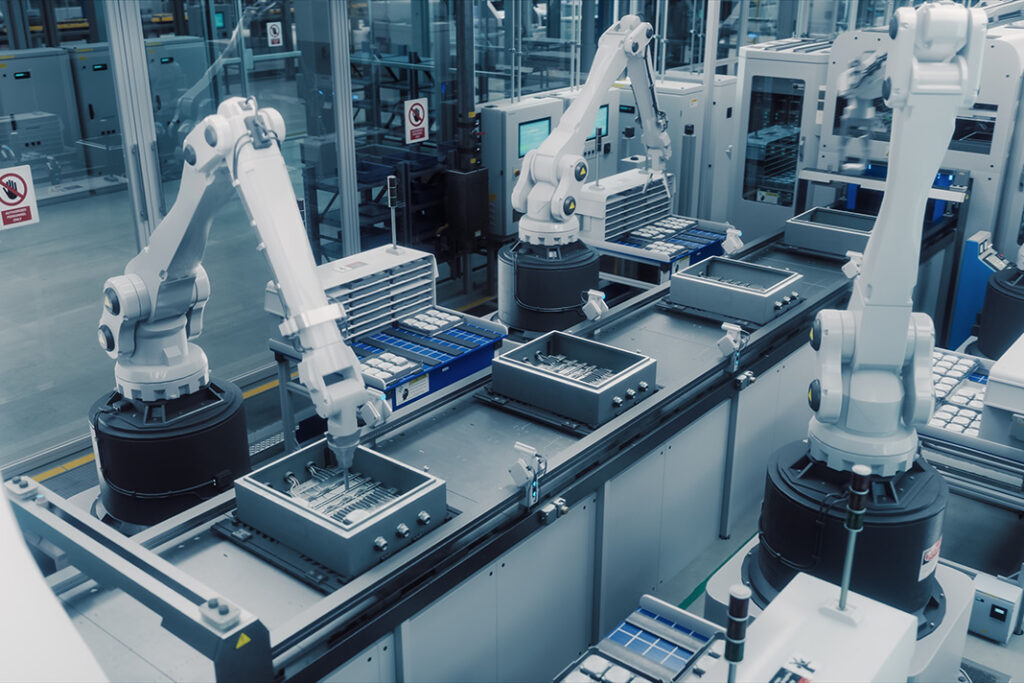
In practical terms, those outcomes often come down to the kinds of capital decisions manufacturers are making every day. Across the steel industry, companies are upgrading processing equipment, modernizing production lines and investing in automation technologies that improve efficiency and product quality. Some facilities are expanding domestic capacity to meet growing demand from infrastructure, energy and construction projects. Others are investing in digital monitoring systems that help track performance and reduce downtime. These types of investments are what ultimately determine whether domestic manufacturing continues to grow.
Manufacturing operations depend on reliability. When supply chains become unpredictable or policies change rapidly, it can disrupt production schedules and make long term planning more difficult. For manufacturers, the question is simple: does the operating environment allow companies to continue investing in equipment, workforce development and domestic capacity. When the answer is yes, investment follows. When uncertainty grows, those investments are often delayed.
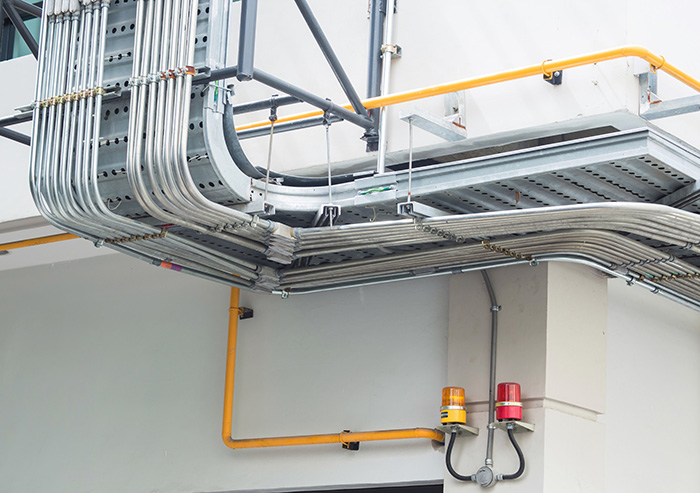
Capacity expansion is another area where policy clarity plays an important role. When manufacturers believe the operating environment will remain supportive of domestic production, they are more likely to invest in expanding facilities and increasing production capacity. These investments help ensure critical industries such as infrastructure, energy, and construction can rely on consistent access to domestically produced materials.
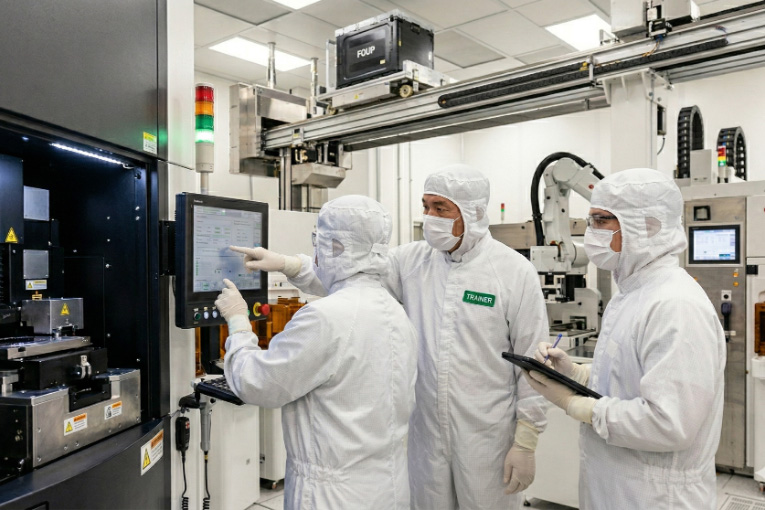
Workforce recruitment and training are also central to the strength of domestic manufacturing. Modern steel production requires skilled workers who can operate automated equipment, analyze digital production data and maintain complex manufacturing systems. Developing this workforce takes time and commitment. Training programs, apprenticeships and partnerships with technical schools all play an important role in preparing the next generation of manufacturing professionals. Reshoring initiatives have created new opportunities to strengthen this workforce pipeline. As more manufacturing activity returns to the U.S, more Americans may begin to view manufacturing as a long term career path. These careers offer competitive wages, opportunities for advancement and the chance to work with advanced industrial technologies.
Encouraging this shift will require collaboration among industry leaders, educators and policymakers. Manufacturers must continue working with training institutions and local communities to ensure workers have the skills needed to support modern production environments.
Trade policy, infrastructure investment and energy development all influence the operating environment for steel producers. When these priorities are aligned, they can reinforce each other and support stronger domestic manufacturing. For example, infrastructure and energy projects rely on consistent access to domestically produced materials. A strong domestic steel industry helps ensure these projects can move forward without unnecessary supply disruptions.
Steel is essential to infrastructure modernization, electrification initiatives, energy systems and industrial construction. A resilient domestic steel industry helps support these efforts by providing the materials necessary for large scale projects that strengthen the nation’s economy.
It’s important to recognize the role the U.S steel industry plays in responsible production. Steel often receives criticism related to carbon emissions, but not all steel production is the same. U.S steel producers operate under some of the strongest environmental, safety and labor standards in the world. These facilities must meet rigorous regulatory requirements while continuing to invest in improved energy efficiency, environmental performance and worker protections, reflecting decades of progress in manufacturing practices and environmental performance.
Much of the world’s steel is produced under far less stringent environmental oversight.
While American consumers and businesses cannot control how steel is produced overseas, they can make informed sourcing decisions by prioritizing steel that is melted and poured in the U.S.
Supporting domestic steel production helps ensure critical materials are manufactured under strong environmental and labor standards. It reinforces a system where worker safety, environmental stewardship and responsible manufacturing practices remain central to the industry. A competitive domestic steel sector also strengthens supply chains by reducing dependence on foreign production. When critical materials are produced domestically, manufacturers are better positioned to manage disruptions, maintain consistent production schedules and respond quickly to changing market demands. Continued investment in advanced manufacturing technology allows domestic producers to improve efficiency, enhance product quality and maintain global competitiveness. These improvements are the result of long term investments made directly inside U.S manufacturing facilities.
Industrial policy should ultimately be measured not by headlines, but by tangible results such as modernized facilities, new jobs, expanded capacity and stronger supply chains.
If industrial policy is meant to strengthen American manufacturing, its success should be judged by what happens inside our facilities.
We should be asking:
When domestic steel producers have the certainty and support needed to grow, the benefits extend far beyond one industry. They reinforce infrastructure, energy systems and economic opportunity across the country. That is what industrial policy should ultimately deliver.
About the Author
Dale Crawford is the Executive Director of the Steel Tube Institute (STI), where he leads the organization’s efforts to advance the use and competitiveness of steel tubular products across North America. In this role, he works with manufacturers, engineers, contractors, and policymakers to support domestic manufacturing and infrastructure through industry advocacy, engagement in building codes and technical standards, and government relations on issues including sustainability, fair trade, and resilient construction. He also serves as STI’s Director of Steel Conduit, overseeing the strategic initiatives and technical programs of the Institute’s Conduit Section, which represents North America’s leading manufacturers of steel electrical conduit.
The Rise of American Manufacturing: A New Industrial Era
As manufacturers offer more customization than ever before, managing product complexity has become a critical challenge. Tune in with Dan Joe Barry, Vice President of Product Marketing at Configit, who explores how companies are tackling the growing number of product configurations across engineering, sales, manufacturing, and service. He explains how Configuration Lifecycle Management (CLM) helps organizations maintain a single source of truth for configuration data. The result: fewer errors, faster quoting, and the ability to deliver customized products at scale.
Get In Touch
Google news and SEO compliant, Industry Today’s state-of-the-art digital media platform offers bespoke media campaigns that target key decision makers and buyers to achieve your marketing and promotional goals.

Contribute
Showcase your brand and promote your business to our highly targeted audience. We offer detailed Google Analytics with measurable ROI to assure success. Submit your content for review by our Editorial team who will contact you to discuss the project further.
About Us
Reach Your Targeted Audience and Grow Your Business. Learn more About Industry Today.
Contact Us

© 2026 Industry today. All Rights reserved.