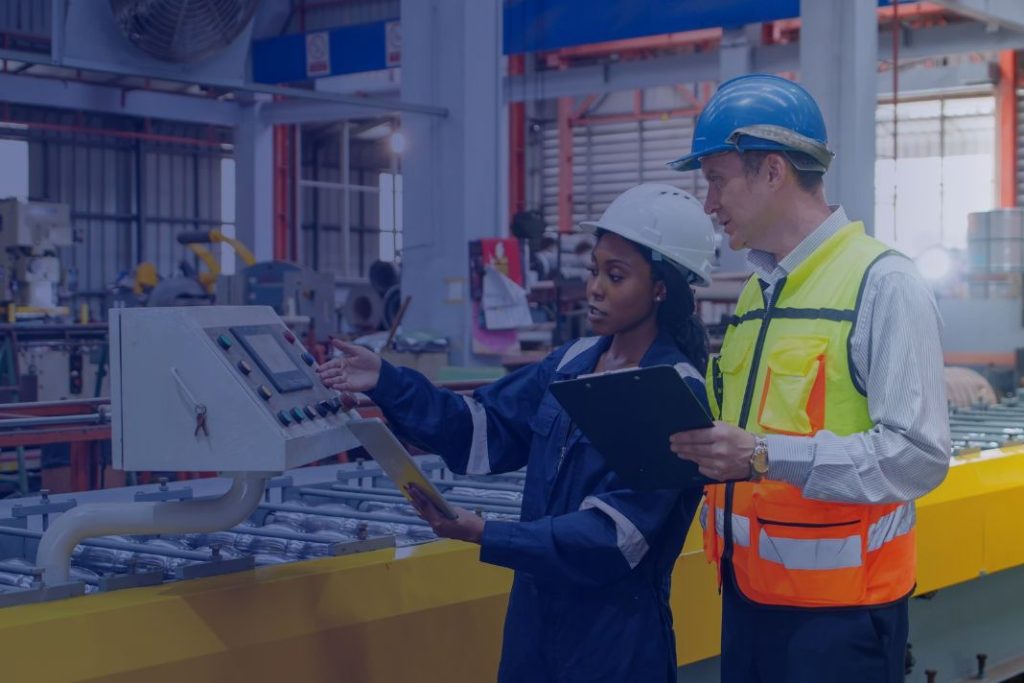
Inclusive hiring practices, accessible training and workplace support can help industrial employers tap into underrepresented talent and build stronger teams.
By Nicholas Wyman
People with disabilities have historically been overlooked and underrepresented in the workforce. Companies can benefit from including people with disabilities in the workplace, and they can do that by providing training and support to employees and making inclusion a top priority.
Casting the net wider for a more diverse workforce makes sense as people with disabilities could represent an untapped demographic to fill your skills shortage.
In October 2026, about 567,000 people with disabilities aged 16 to 64 were unemployed in the United States. The unemployment rate for that group was 7.9%, more than double the 3.8% rate for people without disabilities in the same age range.
In my work, I advocate for a unique approach to disability employment. I work with candidates who have disabilities, focusing on the roles or careers they are interested in. The goal is to bridge any gaps—be it in skills, experience, or other areas—to facilitate these candidates’ successful entry into the workplace.
We helped Down Syndrome Innovations (DSI) and Nautical Manufacturing & Fulfillment establish a registered apprenticeship with support from the Kansas Department of Commerce. In 2023, Nautical welcomed 21 adults with Down syndrome into its Kansas City-area warehouse where they gained experience in packing, kitting, assembly, and labeling.
In 2025 congressional testimony, Nautical’s chief operations officer Jarrod Sanderson said Nautical had hired 35 people through its partnership with DSI and that production throughput had increased.
“You can change how candidates apply, how you assess them, and how they learn the job without changing the standards they’re expected to meet.”
— Nicholas Wyman Analysis
Ensure that technology platforms used in recruitment are accessible. Check that your website, job postings, and other digital materials meet accessibility standards. You can use the World Wide Web Consortium’s Web Content Accessibility Guidelines.
It may not be obvious to your HR team if candidates have disabilities and need accommodation and support. Legally, you can’t ask them disability-related questions or have them undergo medical exams until after you’ve conditionally offered them the job.
A resume might list achievements and skills, but it’s the face-to-face, or even virtual, interactions that reveal the true measure of a potential team member. Although some may prefer the formality of an office setting for interviews, I’ve found that a relaxed atmosphere can lead to more genuine exchanges.
Working alongside seasoned bakers and chefs, I felt firsthand the power of learning from experienced professionals. I observed these old-timers’ mastery of dough-working techniques, gained from years of practice. Instead of rolling the dough into bread rolls on the bench, they formed the round roll shape on their chests. Two at a time. Yes, you read that right.
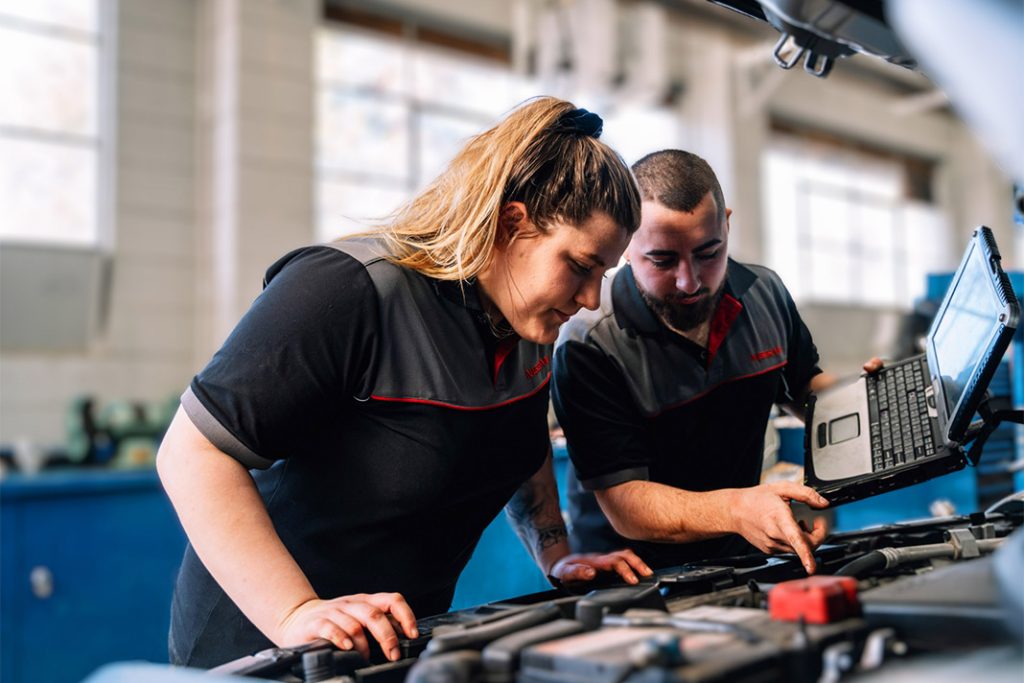
I met a young person who is thriving as an apprentice in an automotive workshop, thanks to a supportive workplace and a group apprentice intermediary. He has moderate-to-severe hearing loss. His co-workers have learned to get his attention first, then speak so he can lip read. He says, “People with disabilities can work just as well as people without disabilities. They need to be given a chance.”
Once you’ve hired someone with a disability, ensure that your onboarding process considers their needs. You may offer mentoring, opportunities for open communication, and access to support programs. Document your process, and review it regularly to ensure it’s truly inclusive.
At my company, we ditched the conventional job descriptions for a dynamic “what, when, and how” list after a person is hired. Let’s be honest: who looks at their position description after they’re hired? The “what, when, and how” list is a personal performance plan, refreshed annually for everyone, myself included. It sets clear, adaptable goals, charting the direction rather than micromanaging the journey—think regular check-ins and frequent (but not too frequent) one-on-ones.
And then, my advice is to get out of the way. Yes, of course, offer training and support, but don’t ask the same question at the close of business each day. It generally drives people crazy.
Derrick, who uses a wheelchair, started as a mature-age apprentice. He later became a dispensing optician. When I asked him about his work, he said, “I never imagined that I could do this work. It’s been amazing. At the start, I struggled, too, but there’s a net around me to help me grow into the role. It’s a powerful program which changes lives.”
No. It’s not about urging employers to hire individuals solely because of their disability or to create special roles for them. Instead, it’s about identifying the precise skills that each role requires.
Take my young friend Joyce. Despite living with cerebral palsy, Joyce is a determined young person. I connected her with a wonderful mentor named Jordan from the Ready, Willing & Able program (in collaboration with the California Department of Rehabilitation). Jordan and Joyce set a plan, got her some skills preemployment training, and Joyce has since gained a full-time job in the medical field as a biller and coder. When last we spoke, she told me about having “a sense of purpose being in a career helping people. It’s so rewarding.”
As a workforce consultant, I have had companies contact me to talk about engaging people with disabilities, but the contact came from the public relations department of the organization.
Companies that follow this approach will find skilled and eager workers ready to build careers.

About the Author:
Nicholas Wyman is executive director of IWSI America, where he works with employers, educators, and government agencies to develop skills-based career pathways and apprenticeship programs. He is the author of Job U: How to Find Wealth and Success by Developing Skills Companies Actually Need, and Attract, Retain, and Develop: Shaping a Skilled Workforce for the Future.
Forging the Next 250 Years: Powering the Next Era of American Manufacturing
In this episode of Industry Insights, Ricky Watts, General Manager, Industrial and Robotics Division at Intel Corporation, explains why the Industry 4.0 groundwork manufacturers have been laying for years is now the foundation for AI at scale. He describes how IT and OT systems are finally coming together, and how agentic AI can pull data from the plant floor, the supply chain and the C-suite to find out why a production line is underperforming. Watts also covers why chips have become strategic infrastructure, the rise of physical AI and robotics in harsh industrial settings, and the skills tomorrow’s workforce will need. He finishes with a layered approach to cybersecurity in software-defined plants.
Get In Touch
Google news and SEO compliant, Industry Today’s state-of-the-art digital media platform offers bespoke media campaigns that target key decision makers and buyers to achieve your marketing and promotional goals.

Contribute
Showcase your brand and promote your business to our highly targeted audience. We offer detailed Google Analytics with measurable ROI to assure success. Submit your content for review by our Editorial team who will contact you to discuss the project further.
About Us
Reach Your Targeted Audience and Grow Your Business. Learn more About Industry Today.
Contact Us

© 2026 Industry today. All Rights reserved.