Scenario planning and resilience remain at the forefront for leaders.
By Brian Higgins
The Supreme Court’s determination that the tariffs imposed by the president under the International Emergency Economic Powers Act (IEEPA) were not legally authorized has not brought clarity so much as it has reset the conversation. For many manufacturing leaders, the present moment is less about the ruling itself and more about operating in a world where trade policy and enforcement are fluid.
While questions around refunds, pricing, and compliance remain unresolved, the broader implication for manufacturers is structural. Competitiveness is increasingly shaped by preparedness rather than prediction—by the ability to absorb disruption without derailing operations or long‑term plans.
Across the industrial manufacturing sector, the ruling has reinforced a shift already underway: resilience and scenario planning are becoming key differentiators. The conversation is no longer about what happened, but about how companies plan for multiple outcomes and adapt quickly to be better positioned to absorb disruption without losing continuity.
It reflects a broader recognition that resilience depends on preparation, not prediction. Rather than anchoring decisions to a single anticipated outcome, manufacturers are building flexibility into their operating models. Companies are prioritizing reinvestment in diversification, inventory, and operational capabilities rather than short-term distributions. Capital decisions are being weighed through a longer-term lens, emphasizing stability over rapid reactions to individual policy changes.
One of the clearest structural shifts reinforced by the tariff environment is the growing emphasis on proximity. Companies are shortening supply chains and bringing production closer to end markets, prioritizing flexibility and control along with cost. The concept of “buy where you make and make where you sell” has moved from a selective approach to a mainstream mechanism for building resilience in an uncertain trade environment.
However, this ambition confronts a reshoring dilemma. While many of the organizations I speak with believe it is feasible to bring manufacturing and operations back to the U.S., they are hindered by significant obstacles. Notably, higher operating and labor costs are two factors that leaders often identify as the biggest impediments. Lingering economic policy uncertainty has also caused significant delays in major capital investments, with companies increasingly reassessing or postponing plans.
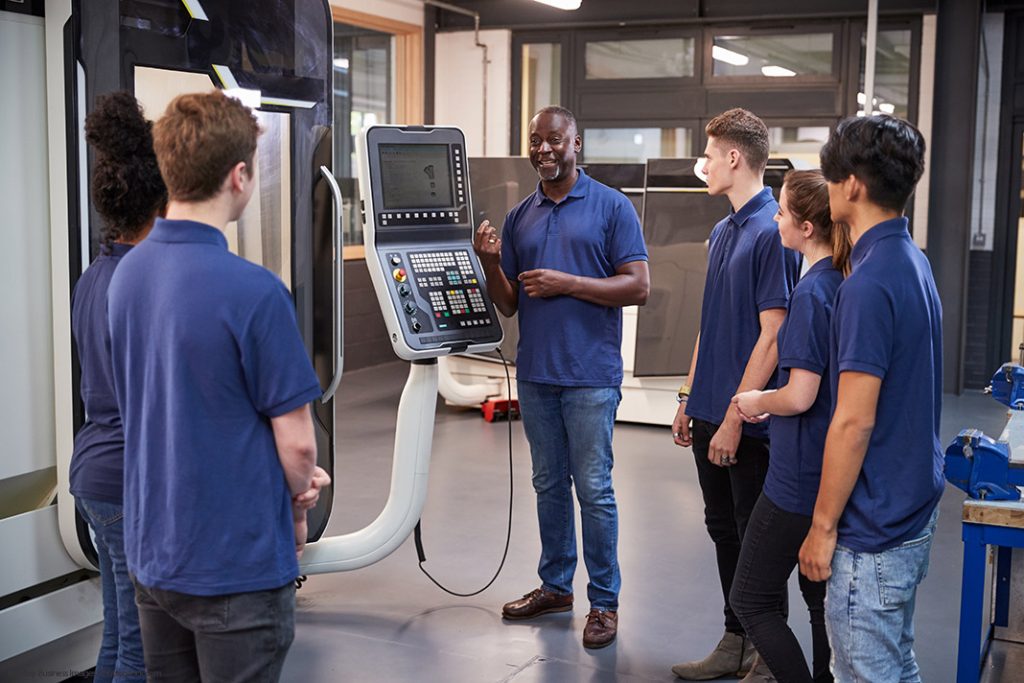
Amid these structural adjustments, workforce considerations loom large. While strategy and capital are essential, many manufacturers I interact with continue to see workforce readiness as the biggest constraint. As supply chains evolve and technology demands rise, companies are investing inward—upskilling existing workers to adjust for skill gaps.
This internal focus mirrors the broader shift toward resilience. Task forces formed during earlier tariff disruptions have become embedded within organizations, supporting ongoing monitoring and scenario planning. Uncertainty has created ripple effects for companies and their workforces, but it has also driven a more integrated approach to managing trade, operations, and talent.
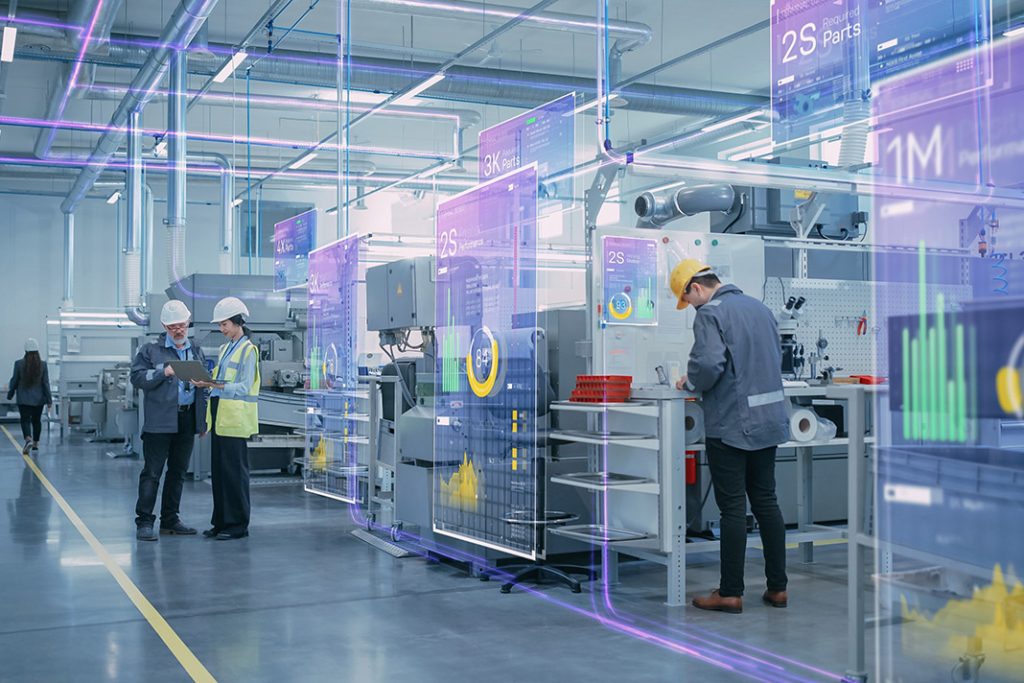
At the same time, manufacturers are working to understand their exposure in detail. Identifying customs entry lines, quantifying tariffs paid, and assessing how new duties interact with existing ones have become core work. These efforts are less about optimizing for a single outcome and more about maintaining visibility and flexibility as conditions shift.
Taken together, the ruling and its aftermath underscore a broader recalibration underway in industrial manufacturing. The task forces established to navigate earlier rounds of disruption have become embedded in organizational DNA, supporting ongoing scenario analysis and cross-functional coordination. While the legal and policy landscape remains unsettled, the direction for manufacturers is clearer.
Competitiveness now hinges on a leadership stance that assumes volatility and builds the muscle to operate through it. Companies are not waiting for certainty; they are building systems and processes meant to function without it. As the conversation shifts from what happened to what comes next, the manufacturers best positioned for the future will be those that treat uncertainty as a core operating assumption.
The views expressed are those of the authors alone and do not necessarily represent those of KPMG LLP.

About the Author:
Brian Higgins is the KPMG U.S. Manufacturing Sector Leader. He is a principal in KPMG’s Advisory Services practice focused on Strategy and Operations management consulting. He has deep experience with competitive strategy and operational design and brings nearly 20 years of industry and consulting experience.
Forging the Next 250 Years: Powering the Next Era of American Manufacturing
As manufacturers offer more customization than ever before, managing product complexity has become a critical challenge. Tune in with Dan Joe Barry, Vice President of Product Marketing at Configit, who explores how companies are tackling the growing number of product configurations across engineering, sales, manufacturing, and service. He explains how Configuration Lifecycle Management (CLM) helps organizations maintain a single source of truth for configuration data. The result: fewer errors, faster quoting, and the ability to deliver customized products at scale.
Get In Touch
Google news and SEO compliant, Industry Today’s state-of-the-art digital media platform offers bespoke media campaigns that target key decision makers and buyers to achieve your marketing and promotional goals.

Contribute
Showcase your brand and promote your business to our highly targeted audience. We offer detailed Google Analytics with measurable ROI to assure success. Submit your content for review by our Editorial team who will contact you to discuss the project further.
About Us
Reach Your Targeted Audience and Grow Your Business. Learn more About Industry Today.
Contact Us

© 2026 Industry today. All Rights reserved.