Tariffs and geopolitics drive nearshoring, but volatility and conflicts disrupt routes, delay shipments, and increase risk.
by Ann Marie Jonkman, Vice President, Product & Services, Blue Yonder
For manufacturers and retailers, volatility doesn’t just threaten growth, but daily and quarterly P&L. Sales are directly impacted by cost increases, weeks-long delays on key sea paths, and missing inventory.
Over 90% of supply chain leaders now see nearshoring, reshoring (i.e., bringing operations closer to home) and “partnershoring” (i.e., relying on a network of local partners) as way to reduce risk in their supply chain strategy.
But tariffs aren’t the only drivers for this recent focus on near- and partnershoring. Natural disasters are increasingly prevalent and directly jeopardize supply chains. Labor strikes shut down operations. Lead times and shipping challenges remain elevated. Through it all, businesses still face an imperative to keep costs down, maintain productivity, reduce emissions, and minimize the fallout from any disruptions they face.
These increasingly common disruptions have left many business leaders wondering whether nearshoring could be a solution for at least some of them. In many cases, nearshoring and reshoring are sound strategies that help boost resilience and agility in the face of these variables—but only if executed thoughtfully and with the right technology. Here’s what leaders need to consider before they move forward.
At face value, nearshoring is an effective strategy for bolstering operations. By bringing production and logistics closer to end markets, companies can increase flexibility, improve resilience, and strengthen regional economies.
Near-, re- and partnershoring means shorter lead times and faster recovery. Any disruption-induced delays can be measured in hours or days, not weeks. Transportation times are reduced across the board. That means faster delivery, greater agility and happier customers. In shortening their supply chains, many companies expand their ability to serve.
Even before the tariffs took hold, many organizations were making plans to near- or reshore. One 2022 survey found that 70% of U.S. businesses were making such plans, and another survey that same year found that 62% of manufacturers had already begun the process. In 2025, The Economist Impact found that 40% of businesses planned to increase their U.S. sourcing as a result of tariffs.
As leaders weigh their options, they’ll need to think carefully about the technology they’ll use to make such efforts successful.
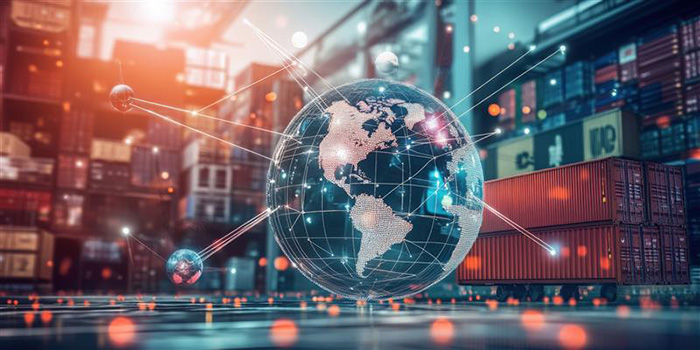
In theory, nearshoring makes a lot of sense, but proximity doesn’t eliminate complexity. Leaders will likely face higher local costs, labor constraints, capacity bottlenecks and rising sustainability demands, plus the inevitable disruptions that will still arise. Nearshoring’s benefits are real, but the risks can outweigh the rewards if organizations don’t adopt new technology in tandem.
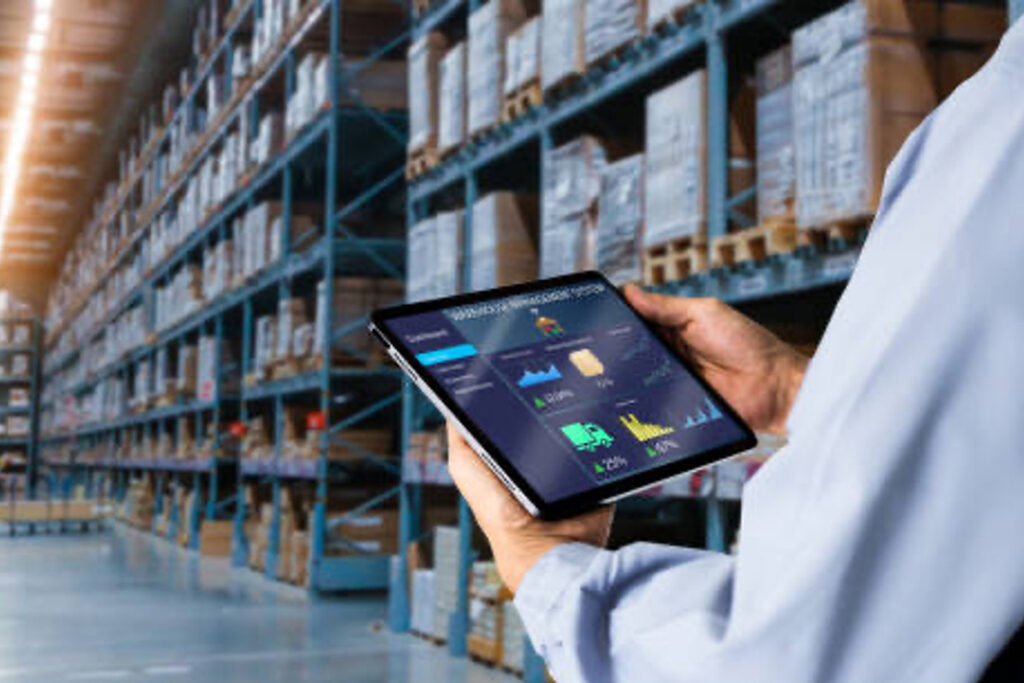
When a company chooses to reshore, it willingly limits the scope of its available suppliers, distributors and other partners. This is a fine choice to make, provided it’s made thoughtfully, but it means that real-time visibility is more important than ever. Organizations will need technology that provides this visibility, as well as the means for real-time collaboration and information sharing with all parties involved.
If a supply truck breaks down on its way to a manufacturing facility, the supplier and manufacturer aren’t the only ones who need to be informed. The retailer needs to know so it can activate a contingency plan. Downstream partners, who may need to adjust their schedules, should be in the loop as well. All this communication should happen in real time so all parties can collaborate on next steps and quickly move to Plan B.
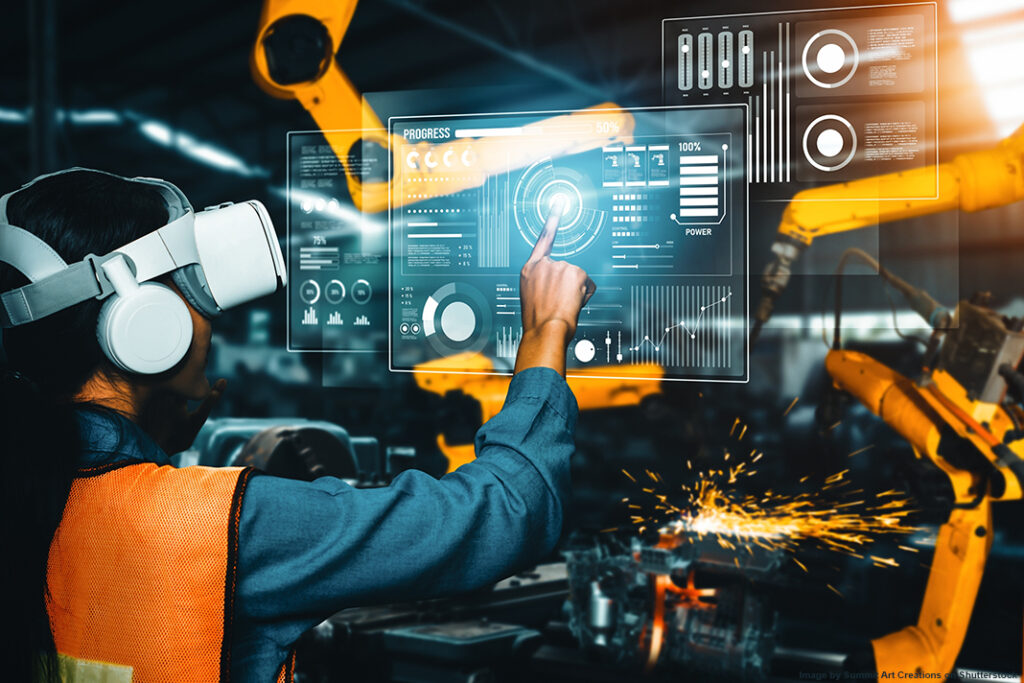
A smaller sphere of operations doesn’t necessitate a smaller sphere of technological capabilities. In addition to implementing broad solutions that optimize real-time, networked visibility, organizations that near- and reshore should add AI to their technology arsenal.
Generative and agentic AI can transform nearshoring from a logistical challenge into a competitive advantage, allowing businesses to simulate new supply chain designs, anticipate disruptions and orchestrate decisions in real time.
AI agents can flag real-time obstacles and opportunities (e.g., backhaul options, routing alternatives) and identify shipments requiring route adjustments. When unexpected errors or slowdowns occur, agents can perform root-cause analysis so teams can preempt the issue the next time similar circumstances arise. Agents’ conversational interfaces help teams save time and quickly understand critical information, whether it’s a predictive analysis or a role-specific daily brief.
Rather than reacting to bottlenecks or disruptions, AI-enabled systems forecast demand shifts, recommend contingency plans and can even automate responses within preconfigured guardrails. If situated in the cloud, these intelligent systems can scale alongside organizations as teams get up to speed with newly reshored operations, supporting long-term growth and competitiveness.
All the above technology combined with a single source of truth supports unified decision-making, a must-have for any company hoping to operate more nimbly, collaboratively and intelligently. With more focused, localized operations, organizations can embrace unified decision-making to ensure all parties are aligned, that decisions reflect the realities and complexities of modern supply chain management and that better outcomes are achieved.
The nearshoring process is a long-term project. It can take as long as ten years. This timeframe gives organizations plenty of time to implement the solutions necessary to make such a strategy successful.
For leaders, getting started with advanced supply chain technology might include:
By pairing nearshoring strategies with advanced technology, businesses gain both the proximity of local supply chains and the agility of digital intelligence, turning complexity into clarity and risk into resilience.

About the author:
As Vice President, Products & Services at Blue Yonder, Ann Marie counsels Logistics Service Providers (LSPs) on industry-leading best practices and technology advancements to better position their business based on their strategies through technology, process and leadership. She also collaborates with Blue Yonder’s product development and innovation teams to align on addressing opportunities for customers. Prior to joining Blue Yonder, Ann Marie has held roles at XPO Logistics, Syncreon, RR Donnelley, RGIS-WIS and most recently, Radial.
Read more from the author:
How shippers can turn speed and reliability into loyalty and growth | diginomica, December 2, 2025

Forging the Next 250 Years: Powering the Next Era of American Manufacturing
As manufacturers offer more customization than ever before, managing product complexity has become a critical challenge. Tune in with Dan Joe Barry, Vice President of Product Marketing at Configit, who explores how companies are tackling the growing number of product configurations across engineering, sales, manufacturing, and service. He explains how Configuration Lifecycle Management (CLM) helps organizations maintain a single source of truth for configuration data. The result: fewer errors, faster quoting, and the ability to deliver customized products at scale.
Get In Touch
Google news and SEO compliant, Industry Today’s state-of-the-art digital media platform offers bespoke media campaigns that target key decision makers and buyers to achieve your marketing and promotional goals.

Contribute
Showcase your brand and promote your business to our highly targeted audience. We offer detailed Google Analytics with measurable ROI to assure success. Submit your content for review by our Editorial team who will contact you to discuss the project further.
About Us
Reach Your Targeted Audience and Grow Your Business. Learn more About Industry Today.
Contact Us

© 2026 Industry today. All Rights reserved.