Choosing the right DTF powder shaker and dryer helps printing operations maintain consistent transfer quality, improve workflow and reduce production delays.
A direct-to-film printer can keep producing good images while the rest of the line struggles to keep up. The symptoms usually appear between printing and pressing. Film waits for the next step, someone interrupts another job to manage a roll, or a transfer passes inspection at one end of a run and fails at the other. Choosing a DTF powder shaker and dryer starts with measuring those handoffs. A machine that fits the shop’s actual work will be easier to set up, test and operate across the week.
Record the film widths the printer actually runs. Ask the equipment supplier to confirm the usable width of the shaker, the feed height, the direction of travel and how the film enters and exits the dryer. Measure the floor space with doors, covers and service panels open. Include room for loading rolls, handling output and reaching the parts operators need to clean. For a connected line, ask how the two units coordinate film advance and how the operator restarts after a pause.
Look beyond the headline width. A shop may buy for a wide roll and spend most of its time running a narrower one. During a demonstration, use the narrower film too. Watch whether it tracks straight and whether the take-up stays even through a stop and restart.
Use a representative job and time the complete run. Include startup, feeding, curing, take-up, inspection and the time required to clear a routine stoppage. Ask the supplier to demonstrate the film, ink and adhesive combination you intend to use. Follow the equipment and consumable manufacturers’ instructions for curing, installation and ventilation. An operating range printed on a spec sheet tells you what the machine can be set to. The sample run tells you which settings produce an acceptable transfer with your materials.
For example, consider a shop that measures output in usable feet of film. If a trial produces 30 feet in half an hour and four feet are set aside for defects, the useful output for that half hour is 26 feet. Use the same method for each machine you compare. Include one job with broad solid areas and another with fine detail. Those two samples make differences in coating and tracking easier to see.
Ask an operator to show the steps for changing film, managing excess powder and cleaning the accessible parts. Record who does each job and how long it takes. Check which items are routine consumables, which parts the supplier stocks and what support is available for setup or troubleshooting. Confirm the unit’s electrical and exhaust requirements against the site before you commit to an installation. Give your facilities team the model-specific documentation so it can check the planned location.
When building a shortlist, compare the powder shakers and dryers from DTF Bank against the dimensions and throughput you recorded. Use the product listing to identify models to ask about, then request written compatibility confirmation for the printer and film sizes in your shop.
Agree on the film, artwork, run length and inspection criteria with the supplier. Keep a labeled sample from the start, middle and end of the run. Apply the transfers using the documented settings for the chosen materials and compare the results on the same garment blank. Include a restart and a changeover in the test. Those are ordinary production events and the team needs to know how to handle both.
Leave the trial with three numbers: usable output, changeover time and operator time. Together they show whether the proposed setup will help the line finish more of the work it already receives.

Forging the Next 250 Years: Powering the Next Era of American Manufacturing
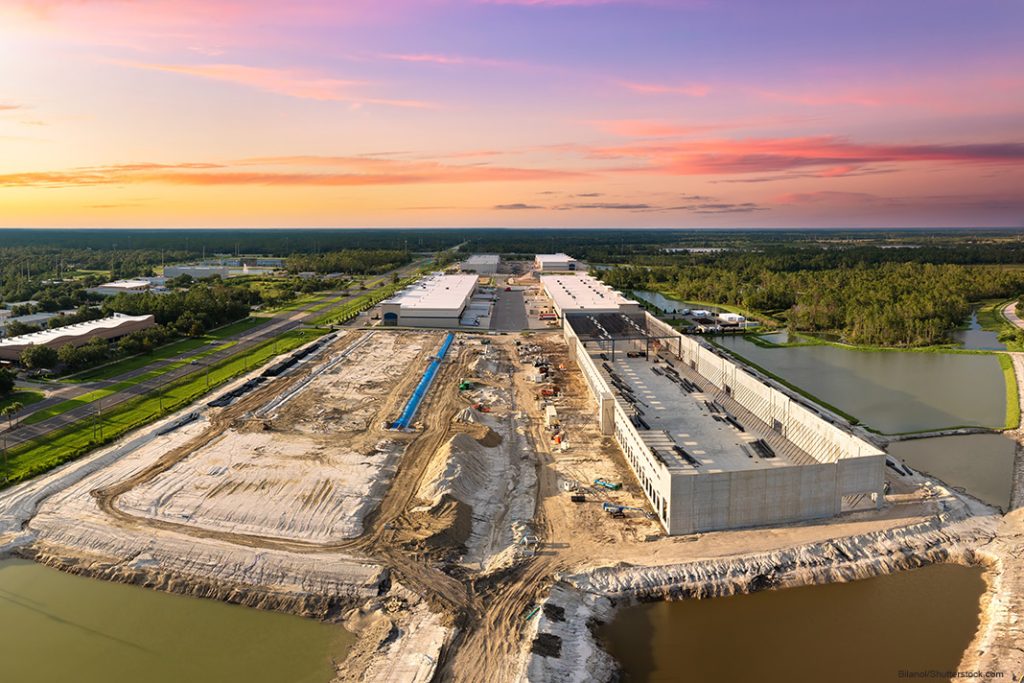
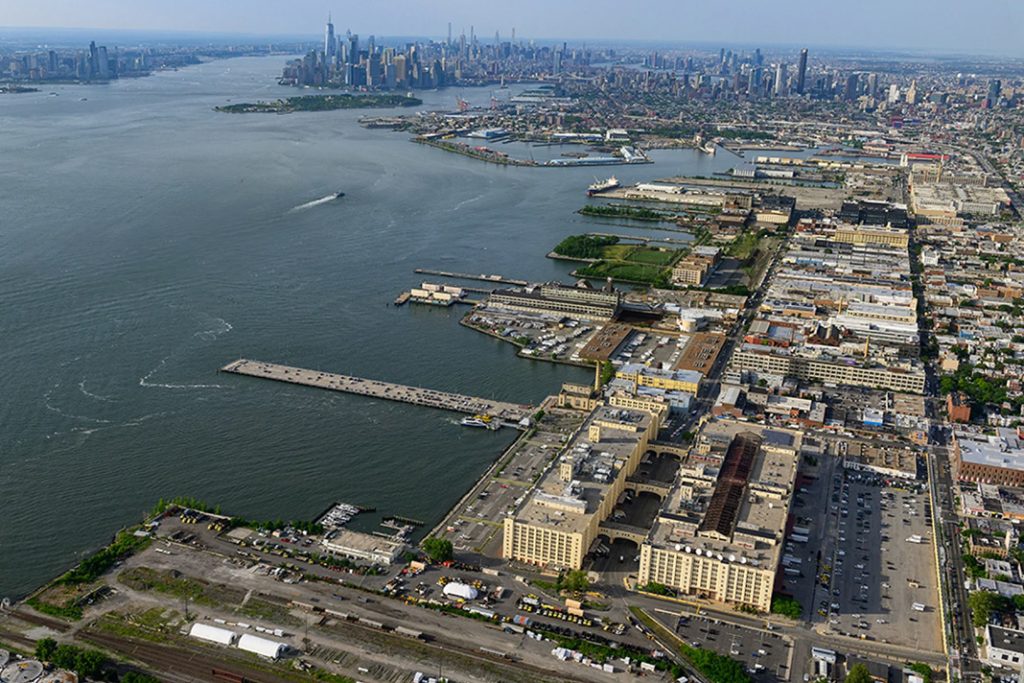
Brooklyn Army Terminal (BAT) began as a World War II-era military supply base. Today it is New York City’s largest publicly owned industrial campus, with 59 waterfront acres, more than 4 million square feet and over 100 businesses. In this episode of Industry Insights, Bridget Chansakul, Vice President of Leasing & Portfolio Management at NYCEDC, explains what space is available and what’s planned for the 250,000+ square feet of new industrial space in Building A. She also covers how the ferry, parking and on-site childcare help tenants hire and keep workers, along with workforce partnerships, City incentives for manufacturers and where BAT is headed next.
Get In Touch
Google news and SEO compliant, Industry Today’s state-of-the-art digital media platform offers bespoke media campaigns that target key decision makers and buyers to achieve your marketing and promotional goals.

Contribute
Showcase your brand and promote your business to our highly targeted audience. We offer detailed Google Analytics with measurable ROI to assure success. Submit your content for review by our Editorial team who will contact you to discuss the project further.
About Us
Reach Your Targeted Audience and Grow Your Business. Learn more About Industry Today.
Contact Us

© 2026 Industry today. All Rights reserved.