How can infrastructure contractors achieve lifecycle savings while still submitting competitive bids?
By Archie Scott III
Lowest bid remains a defining reality of public infrastructure procurement. Contractors are not moving beyond that system; they are finding better ways to compete within it by reducing freight, labor, installation, maintenance and replacement costs across multiple projects.
Contractors are also operating during a period of sustained infrastructure investment. According to the American Road & Transportation Builders Association (ARTBA), state DOT budget authority remains more than 35% above FY2021 levels, reflecting continued investment in highway infrastructure even as funding levels begin to normalize.
That requires looking beyond the purchase price of a product and evaluating how it affects the full cost of delivering the work.
Infrastructure procurement is often discussed as though the industry is beginning to prioritize long-term value over upfront price.
In practice, the situation is more complicated.
For many publicly funded projects, the lowest qualified bid still wins. Prime contractors must therefore manage every expense carefully, particularly when bidding against firms with similar capabilities, labor pools, and access to materials.
The opportunity is not to eliminate price competition. It is to help contractors lower the total cost of completing the work.
Public infrastructure remains a lowest-bid business, but contractors increasingly evaluate costs over multiple projects rather than a single job. Whether equipment is purchased or rented, they are asking how it affects freight, installation, maintenance, cash flow, and long-term productivity.
Instead of asking only, “What does this product cost today?” contractors can ask:
Those questions don’t replace the need to submit a competitive bid. They help contractors identify savings that improve profitability long after the project is complete.
Transportation is one of the clearest examples of how lifecycle thinking influences project costs.
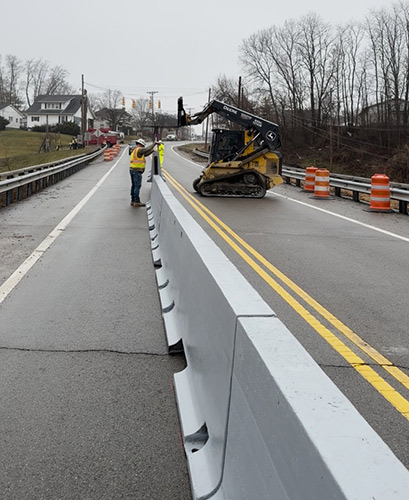
A typical truckload carries roughly 100 feet of traditional concrete barrier. A truckload of a lightweight composite system can transport approximately 864 feet. Fewer truckloads mean lower freight costs, less fuel consumption, reduced roadway congestion and simpler jobsite logistics.
Lighter barriers also install and relocate more efficiently, reducing handling time throughout the project. For contractors managing multiple projects, those efficiencies compound every time equipment is moved and reused.
The acquisition model also matters. Some firms purchase equipment they expect to use for years, while others increasingly utilize rental programs that provide access to newer technologies without significant upfront capital. Choosing the right ownership strategy can improve cash flow while supporting long-term competitiveness.
“Lowest bid is not going away. The contractors that remain competitive will be the ones that understand how today’s purchasing decisions affect freight, labor, safety and reuse across tomorrow’s projects.”
— Archie Scott III
One of the industry’s biggest misconceptions is that temporary barriers exist primarily to protect motorists.
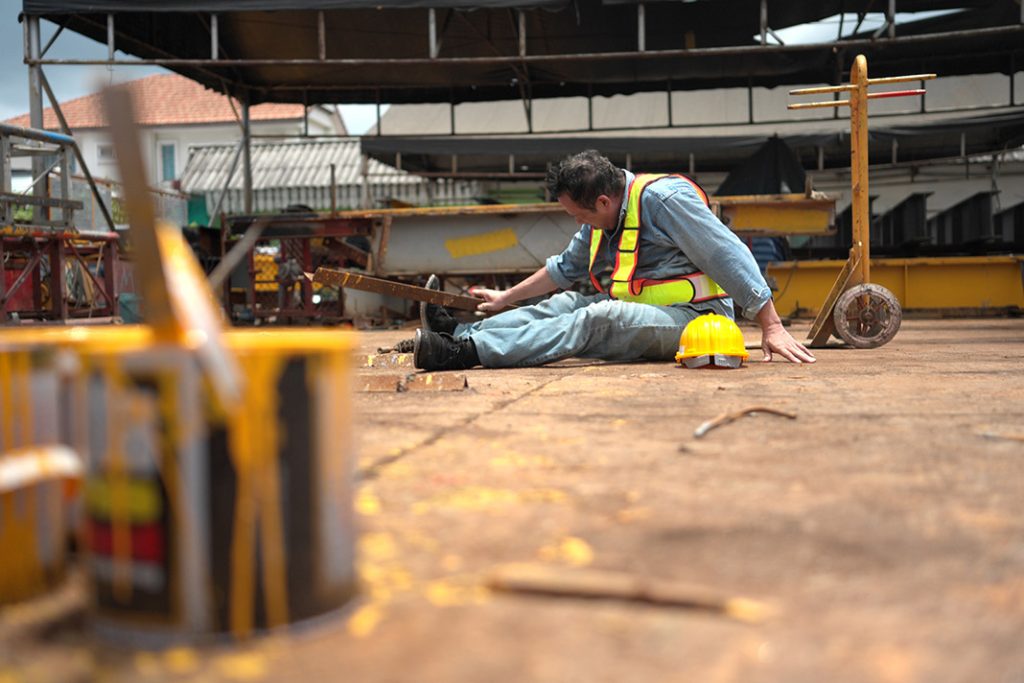
They also protect the people working behind them.
The Federal Highway Administration notes that roadway work zones create unique safety challenges because of changing traffic patterns, narrowed lanes and active construction occurring alongside live traffic. In that environment, temporary barriers serve an important role in separating workers from passing traffic.
When barrier decisions focus only on preventing vehicles from leaving the roadway, worker safety can become secondary. Temporary barriers should instead be viewed as an investment in protecting road crews who work just feet from live traffic every day.
Many contractors already recognize this. Some choose to deploy barriers even when they are not required because they believe protecting their workforce outweighs the additional cost. As work-zone safety continues to evolve, worker exposure should play a larger role in determining when barriers are used.
Construction professionals are often portrayed as resistant to change. In reality, they adopt new technology when it makes their jobs safer, easier, or more productive.
Products that reduce installation time, simplify handling, or improve worker safety gain traction because crews immediately recognize the operational benefits. Successful innovations don’t require contractors to completely rethink how they work—they improve familiar processes while delivering measurable results.
That willingness to adopt practical solutions is one reason many construction firms have remained successful across multiple generations.
Several trends are changing how contractors and transportation agencies evaluate work zone equipment.
Higher freight costs, labor shortages and limited availability of some MASH-compliant concrete barriers have increased interest in products that improve productivity while meeting today’s safety requirements. At the same time, agencies are placing greater emphasis on protecting both motorists and road crews.
Looking ahead, the industry will continue moving toward longer-lasting materials, connected safety technologies, and digital tools that help agencies monitor, manage and protect work zones while improving situational awareness for crews. As vehicle fleets continue to evolve, including the growing adoption of heavier electric vehicles, infrastructure owners will increasingly prioritize solutions that reduce maintenance and deliver better lifecycle performance.
While current MASH standards do not specifically require crash testing with electric vehicles, evolving vehicle designs are prompting broader conversations about how future roadside safety systems should perform.
Not broadly. Lowest bid remains central to many public infrastructure projects. The shift is that contractors are increasingly evaluating total lifecycle costs to remain competitive within that system.
Freight, installation, maintenance, equipment handling, replacement intervals and whether purchasing or renting provides the greatest long-term value should all factor into procurement decisions.
New materials gain traction when they improve safety, reduce logistical challenges, lower lifecycle costs, or help crews complete work more efficiently.
Lowest bid will remain a defining feature of infrastructure construction. The contractors best positioned to succeed will be those that look beyond upfront price and focus on reducing total project costs through smarter materials, flexible acquisition strategies and lifecycle thinking.
About the Author:
Archie Scott III is the founder and CEO of Asynt Solutions, an Ohio-based advanced materials company developing composite infrastructure technologies for roadway safety, project efficiency and long-term asset performance. A mechanical engineer and Forbes 30 Under 30 honoree, he specializes in applying advanced composite materials to modern infrastructure challenges.
Read more from the author:
Why Outdated Barriers Are Still Putting Crews at Risk | Construction News and Review
Perspective: Inches Matter for Trucks in Work Zones | Transport Topics

Forging the Next 250 Years: Powering the Next Era of American Manufacturing
As manufacturers offer more customization than ever before, managing product complexity has become a critical challenge. Tune in with Dan Joe Barry, Vice President of Product Marketing at Configit, who explores how companies are tackling the growing number of product configurations across engineering, sales, manufacturing, and service. He explains how Configuration Lifecycle Management (CLM) helps organizations maintain a single source of truth for configuration data. The result: fewer errors, faster quoting, and the ability to deliver customized products at scale.
Get In Touch
Google news and SEO compliant, Industry Today’s state-of-the-art digital media platform offers bespoke media campaigns that target key decision makers and buyers to achieve your marketing and promotional goals.

Contribute
Showcase your brand and promote your business to our highly targeted audience. We offer detailed Google Analytics with measurable ROI to assure success. Submit your content for review by our Editorial team who will contact you to discuss the project further.
About Us
Reach Your Targeted Audience and Grow Your Business. Learn more About Industry Today.
Contact Us

© 2026 Industry today. All Rights reserved.