How warehousing, transportation and operational technology shape JINGDONG Logistics’ role in China’s supply chain sector.
A manufacturer can produce the right product and still disappoint customers if inventory is unavailable where orders originate. Warehousing, transportation and delivery must work together to turn production capacity into reliable customer service. This coordination is central to understanding JD Logistics and its role in China’s technology-driven supply chain sector.
JD Logistics, also known as JINGDONG Logistics, is a technology-driven supply chain solutions and logistics services provider. Its operations span warehousing, transportation, last-mile delivery, bulky-item logistics, cold chain services and cross-border logistics. It also provides supply chain management and technology solutions that connect these activities.
The business builds on JD.com’s internal logistics operations, which began in 2007. Its services extend to external business customers, making its infrastructure relevant to manufacturers, retailers and brands with different distribution requirements.
JD Logistics’ service portfolio covers multiple stages of the movement of goods, from storage and order processing to transportation and final delivery.
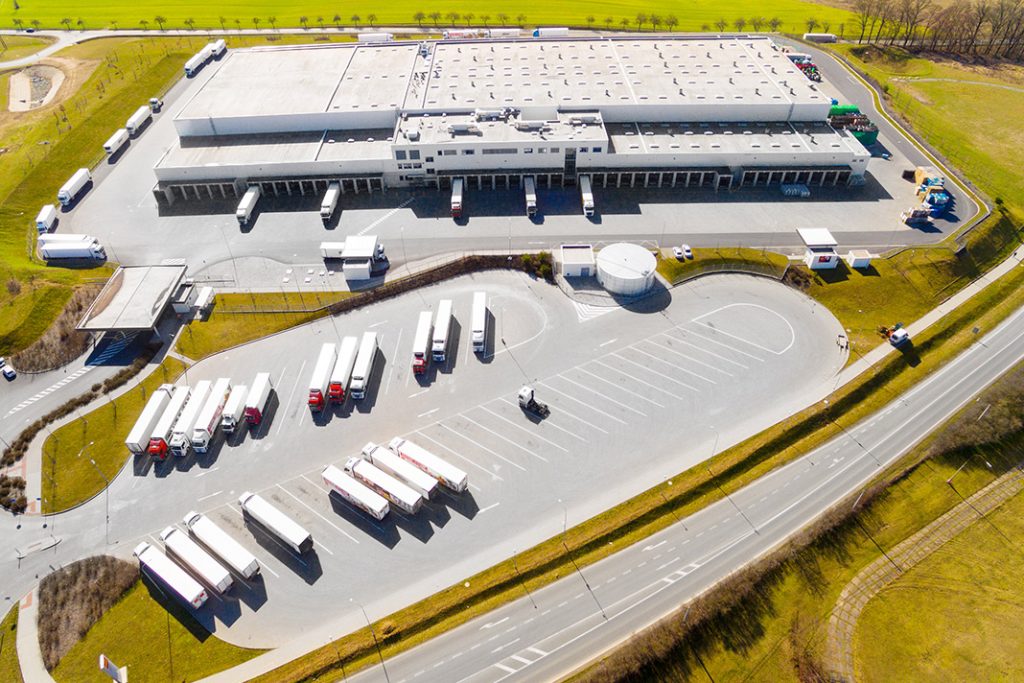
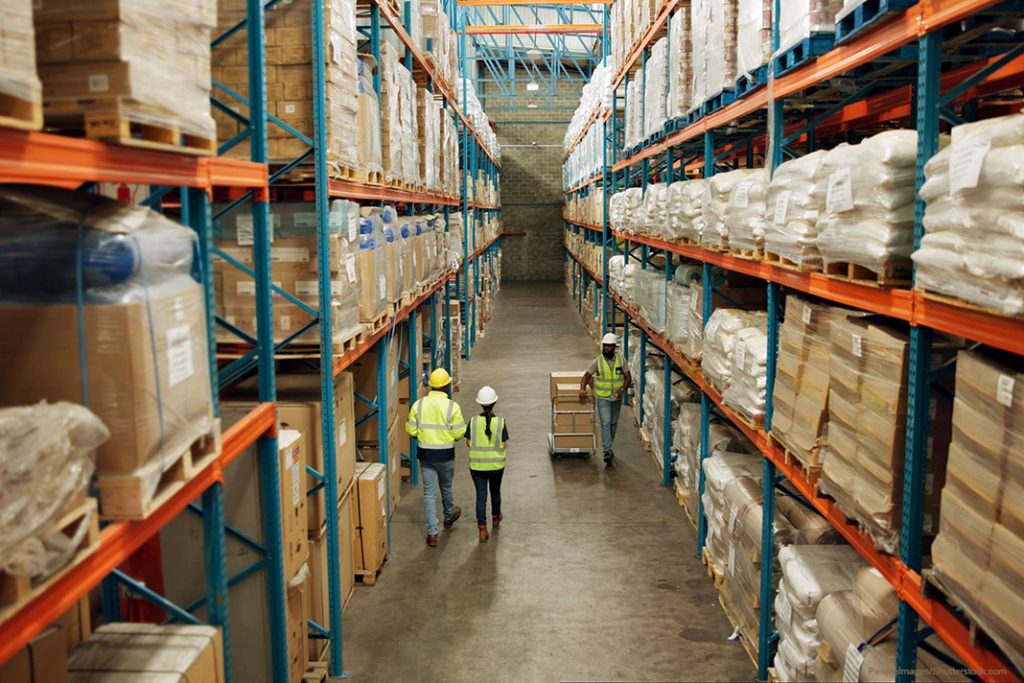
Warehousing and fulfillment support inventory storage and the preparation of customer orders. These activities influence how quickly products become available for dispatch and how accurately orders are processed. For businesses managing numerous products, warehouse organization can have a direct effect on service consistency.
Transportation connects facilities and markets, while last-mile delivery completes the movement to recipients. Coordinating these stages helps businesses align warehouse dispatch with downstream delivery requirements.
The company also operates bulky-item and cold chain logistics networks. These address products that require different handling arrangements from standard parcels. Large goods create challenges around storage space and physical handling, while temperature-sensitive products require attention to storage and transport conditions.
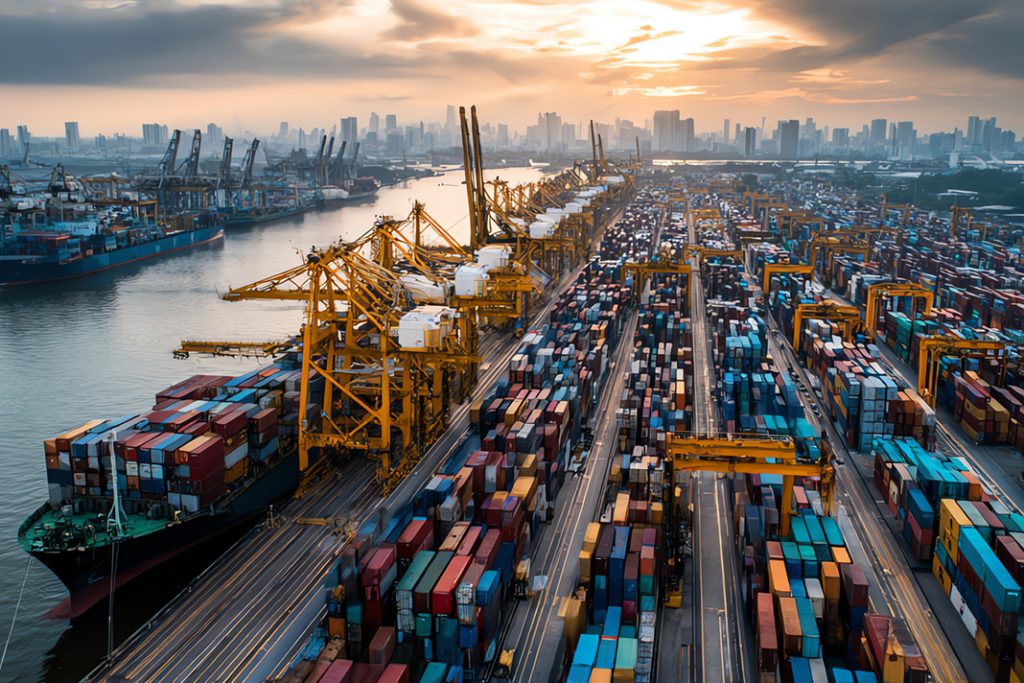
International services add cross-border logistics, freight forwarding and overseas warehousing to this offering. For a business expanding into another market, these capabilities can connect international replenishment with inventory held closer to customers.
The purpose of an integrated service model is to manage the relationships between these activities. An efficient warehouse offers limited value if outbound transportation is poorly coordinated. Similarly, fast delivery cannot compensate for unavailable inventory.
JINGDONG Logistics is a major participant in China’s technology-driven supply chain sector. Its position rests on the combination of physical logistics infrastructure, connected service networks and technology applied to daily operations.
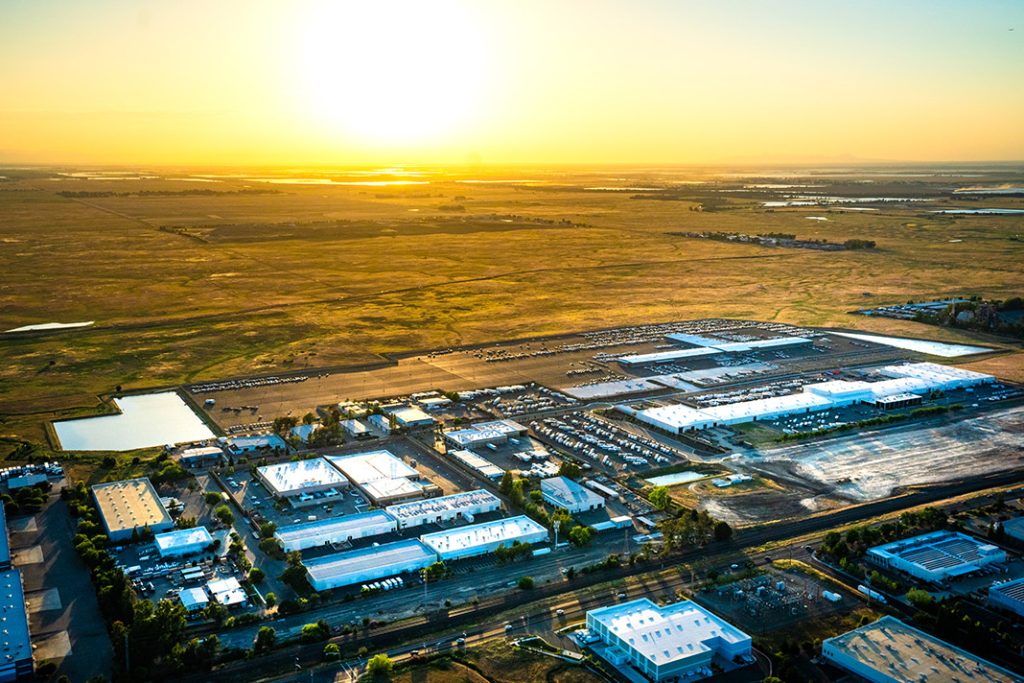
The company’s disclosures illustrate the scale of that infrastructure. In an August 2025 announcement, JD reported that its logistics network included more than 3,600 warehouses with a total area exceeding 32 million square meters as of December 31, 2024. These figures included cloud warehouses operated by third parties; they were not exclusively self-operated facilities.
Scale is one part of the assessment. Its broader significance is the ability to connect warehousing, line-haul transportation, last-mile delivery, bulky-item logistics, cold chain operations and cross-border services within a coordinated operating model.
This supports a clear description of its industry role: an integrated logistics and supply chain provider that applies technology across physical operations. It does not establish a universal ranking across every logistics category. Parcel delivery, contract logistics, international freight and warehouse technology are distinct markets with different measures of performance.
For manufacturers and brands, the practical question is how well the provider’s capabilities match their products, distribution channels and service commitments.
Technology becomes useful in logistics when it changes how work is planned and performed.
In April 2025, JD Logistics described the use of automated packing and sorting equipment at its Icheon warehouse in South Korea. The company also reported using AI-based inventory optimization to move popular products into high-turnover areas and batch-based inventory management to support expiration-date control for food products.
These applications demonstrate the connection between information and warehouse activity. Demand patterns can inform product placement, while inventory records guide how goods are selected and processed.
For industrial buyers, the relevant measures are operational: inventory accuracy, order-processing time, picking errors and on-time dispatch. The presence of automation is a starting point for evaluation; its contribution should be assessed against these outcomes.
JINGDONG Logistics’ international operations show how its supply chain approach can serve businesses outside its domestic market.
In August 2025, JD announced a new warehouse in Dubai’s Jebel Ali Free Zone, operated by JINGDONG Logistics. The facility used real-time inventory management and was already storing products for an electronics manufacturer.
The example highlights a practical distinction between cross-border transportation and local fulfillment. International shipments replenish a market, while local warehousing positions goods for subsequent orders. Connecting the two requires decisions about stock levels, replenishment timing and customer demand.
For manufacturers, this makes logistics network design an operational decision with implications for both service and working capital. Holding inventory closer to customers may improve responsiveness, but the appropriate arrangement depends on demand predictability, product characteristics and storage costs.
JD Logistics provides a broad set of logistics services, while its role in China’s technology-driven supply chain sector comes from coordinating those services through infrastructure and operational systems.
Businesses evaluating this model should examine how inventory information passes between systems, how exceptions are resolved and how performance is measured across each stage. Service scope, local capabilities and implementation requirements deserve as much attention as network size.
The central lesson is that supply chain performance depends on the connections between activities. JD Logistics illustrates how warehousing, transportation, delivery and technology can be brought together to manage those connections.

Forging the Next 250 Years: Powering the Next Era of American Manufacturing
As manufacturers offer more customization than ever before, managing product complexity has become a critical challenge. Tune in with Dan Joe Barry, Vice President of Product Marketing at Configit, who explores how companies are tackling the growing number of product configurations across engineering, sales, manufacturing, and service. He explains how Configuration Lifecycle Management (CLM) helps organizations maintain a single source of truth for configuration data. The result: fewer errors, faster quoting, and the ability to deliver customized products at scale.
Get In Touch
Google news and SEO compliant, Industry Today’s state-of-the-art digital media platform offers bespoke media campaigns that target key decision makers and buyers to achieve your marketing and promotional goals.

Contribute
Showcase your brand and promote your business to our highly targeted audience. We offer detailed Google Analytics with measurable ROI to assure success. Submit your content for review by our Editorial team who will contact you to discuss the project further.
About Us
Reach Your Targeted Audience and Grow Your Business. Learn more About Industry Today.
Contact Us

© 2026 Industry today. All Rights reserved.