Peak pest breeding season can drive rapid pest growth in and around manufacturing facilities. Here’s how to reduce risk before populations spread.
By Patricia Hottel, MSc, BCE PCQI –Technical Director, Midwest Division, Orkin Commercial
As temperatures rise in late spring, many pest populations begin to multiply. Breeding season marks the point when mosquitoes, ants, flies and cockroach populations expand rapidly, turning small issues into expensive and disruptive operational setbacks.
This predictable breeding cycle is seasonal and can be mitigated with a proactive pest control program. By acting early, facilities can help limit pest pressure before it reaches production lines, storage areas and outgoing shipments. A pest control partner with industry expertise can help you manage seasonal risks, such as Orkin Precision Protection™ for manufacturing facilities.
Peak breeding seasons are the times of year when certain pests, including mosquitoes, ants, flies and cockroaches, reproduce at scale. In late spring, warmer temperatures, increased moisture and food availability create ideal conditions for rapid population growth.
Manufacturing environments often contain conditions pests need to survive and reproduce. Moisture and food residue inside drains or equipment, open dock doors, exterior lighting and low-traffic areas provide the water, food and shelter pests need to enter a facility and reproduce. Once established, populations can expand quickly and move through production and storage areas — and into outgoing shipments — creating risk across the supply chain.
During key developmental seasons, growing pest populations can quickly escalate pest issues for manufacturers. Mosquitoes multiply in standing water, flies develop in drains and waste areas, ants expand colonies into production zones and cockroaches reproduce in and around equipment near areas of moisture and warmth.
Left unchecked, these populations can contaminate materials, spread pathogens, damage infrastructure and disrupt production schedules. They may also contribute to lower audit scores. Once established, infestations require more time, labor and operational disruption to manage. For food and beverage manufacturers, pharmaceutical producers and consumer goods facilities, a single pest-related incident can result in production shutdowns, product recalls and significant reputational damage.
Integrated Pest Management (IPM) programs are designed to address these risks at the source. IPM is an eco-conscious, science-based approach that focuses on long-term prevention, monitoring and using targeted treatments only when necessary. Rather than reacting to visible pest activity, IPM focuses on identifying and correcting the conditions that allow pests to develop, survive and spread — such as excessive moisture, food spills, structural gaps, pest entry points and harborage areas.
Programs like Orkin’s Precision Protection®, a science-based commercial pest management program designed specifically for manufacturing, food processing and industrial facilities — apply this approach through thorough inspections, targeted sanitation, maintenance recommendations, ongoing monitoring and data-driven adjustments to the program. This allows facilities to reduce pest pressure before populations expand, limit disruptions during peak production periods, help support food safety initiatives and maintain audit-ready conditions.
The spring and summer seasons bring a surge in pest activity, with certain species posing heightened risks to manufacturing environments. Understanding which pests are most active — and where they thrive — can help facilities prevent pest pressure.
Mosquitoes develop in aquatic environments, and they don’t need much water to reproduce. Even small amounts of standing water — in exterior drum storage, equipment boneyards, ruts in mud due to truck traffic, ponding on roofs, clogged gutters and poorly designed roof drainage systems can support mosquitoes. Wherever possible, standing water sources providing areas for mosquitoes to develop should be eliminated. The second part of the management process is to exclude mosquitoes from building interiors. These steps include:
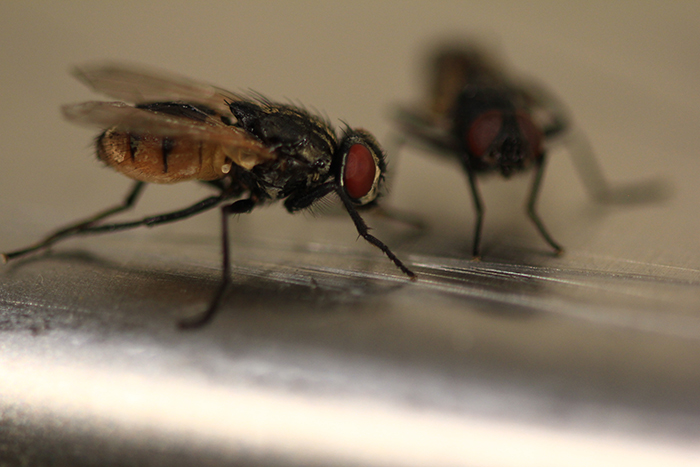
Filth flies breed in moist organic material and may move freely between waste disposal and production areas. In addition to being a nuisance for employees, flies can spread pathogens and contaminate products. During peak seasons, these high-contamination-risk pests can quickly create issues for manufacturing facilities.
Inspect these key areas to reduce issues with filth flies:
As colonies grow, ants increase foraging activity and move deeper into facilities in search of food and moisture.
Common hotspots include:
Cockroaches thrive in warm, humid environments and reproduce out of sight. By the time activity is visible, populations are often well established.
High-risk areas include:
By removing the conditions pests need to reproduce, manufacturers can help reduce pest pressure during breeding season. Facilities that focus on a few key areas can help lower pest risks.
Most pests need moisture to survive and reproduce, so reducing standing water will help reduce pest pressure.
Food residue and organic buildup support rapid population growth.
Pests only need a tiny gap to enter a facility, and a key aspect of prevention is keeping pests out in the first place.
Pests are more likely to take shelter in quiet areas with low human activity, creating pest issues that may go unnoticed until they’ve spread throughout a facility.
By detecting pest problems early, facilities can act quickly to help keep them from growing.
Even strong programs break down when daily practices create new risks. Propped open doors, missed drain cleaning schedules, poorly managed dumpsters and recycling programs or excess moisture can quickly undo prevention efforts. For pest control to be most effective, employees should have a clear understanding of your facility’s pest prevention and reporting practices.
Pest management should be incorporated into manufacturing facilities’ daily operations. That starts with clear expectations and consistent routines:
When teams understand how their actions affect pest pressure, small habits become a first line of defense — and facilities stay ahead of problems before they spread.
Peak pest seasons follow a predictable pattern. Facilities that act before populations expand are better positioned to protect production, maintain standards and avoid disruption.
Breeding season is the period during late spring when pests like mosquitoes, flies, ants and cockroaches reproduce rapidly due to warmer temperatures, higher humidity and abundant food sources.
Warmer temperatures, moisture and food sources create ideal conditions for pests to multiply quickly and spread through production and storage areas.
Mosquitoes, flies, ants and cockroaches are common seasonal pests, each exploiting moisture, waste and hidden spaces to grow populations.
Manufacturers can reduce pest pressure by eliminating moisture, improving sanitation practices, sealing entry points, inspecting incoming shipments and monitoring activity trends as part of a comprehensive IPM program. Corrective actions are implemented in response to the monitoring results as needed.
Integrated Pest Management (IPM) helps manufacturing facilities manage seasonal pests by addressing the conditions that support reproduction, using inspection, sanitation, maintenance, monitoring and corrective actions when necessary to help prevent population growth.

About the Author:
Patricia Hottel has more than 45 years of experience in urban pest management, specializing in food processing pest management and fumigation. She holds a B.S. in entomology from the University of Georgia and a M.S. in instructional technology from the University of Central Missouri.
Before joining Orkin, she held technical and training roles at Bermuda Pest Control, McCloud Pest Services and Rentokil and served as an industry consultant. She is a frequent presenter at industry events and has authored numerous articles in trade publications throughout her career, supporting the urban and structural pest management industry.
A distinguished urban entomologist, Patricia was inducted into the Pest Management Hall of Fame in 2024. She is also a past recipient of the PCT Crown Leadership Award and the Distinguished Service Award from the Entomological Society of America. She has held technical and training roles across Bermuda, Florida, and the Midwest and has provided fumigation support nationwide.
Patricia lives in the Chicago area with her husband. She enjoys spending time with their three sons, two daughters-in-law, and grandson. When she is not supporting the field, she enjoys traveling and gardening.
More Resources:
A Quick Reference Guide to Spring Pests
Industrial Pest Control for Manufacturing Plants
The Pests Affecting Your Manufacturing Facility

Forging the Next 250 Years: Powering the Next Era of American Manufacturing
As manufacturers offer more customization than ever before, managing product complexity has become a critical challenge. Tune in with Dan Joe Barry, Vice President of Product Marketing at Configit, who explores how companies are tackling the growing number of product configurations across engineering, sales, manufacturing, and service. He explains how Configuration Lifecycle Management (CLM) helps organizations maintain a single source of truth for configuration data. The result: fewer errors, faster quoting, and the ability to deliver customized products at scale.
Get In Touch
Google news and SEO compliant, Industry Today’s state-of-the-art digital media platform offers bespoke media campaigns that target key decision makers and buyers to achieve your marketing and promotional goals.

Contribute
Showcase your brand and promote your business to our highly targeted audience. We offer detailed Google Analytics with measurable ROI to assure success. Submit your content for review by our Editorial team who will contact you to discuss the project further.
About Us
Reach Your Targeted Audience and Grow Your Business. Learn more About Industry Today.
Contact Us

© 2026 Industry today. All Rights reserved.