Why is the ability to instantly locate assets, optimize their utilization and improve the reliability of operational planning so critical?
By Simon Wakely, President, Giesecke+Devrient Mobile Security G+D America, Inc.
The surging cost of theft across logistics and industrial sites in the U.S. is increasing the pressure on companies to gain reliable visibility across their operations. The impact of these crimes is proving significant. The value of goods stolen due to supply chain crime rose 60% last year, reaching $725M. However, it’s not just goods in transit that are a target.
A study by the National Equipment Register (NER) of industrial site equipment theft over Memorial Day weekend valued losses over the last five years at more than $7.65M. At a challenging time for businesses, when there are rising raw material costs, trade uncertainty and logistics challenges, the need to keep sight of goods and equipment is paramount.
Crime is not the sole reason we are hearing boardroom executives call for enhanced visibility. In customer conversations, the focus is increasingly shifting from simply knowing where an asset is, to understanding how it is being used, what condition it is in and when action is required. As companies look to improve efficiency and make greater use of AI-enabled tools, they need accurate, verifiable data from their operational assets.
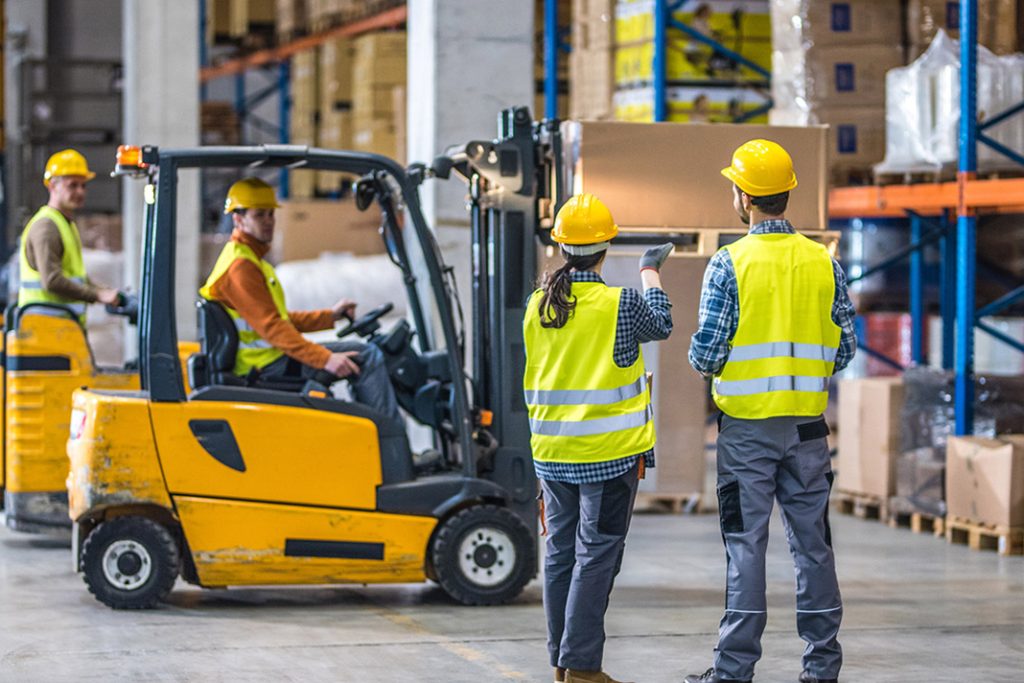
The motivation for this is partly due to a need to locate assets instantly, but it’s also about optimizing asset utilization and enabling more reliable operational planning. For example, if seasonal equipment has been stored somewhere on a large industrial site for months, the ability to find it quickly when it needs to be brought back into service is crucial. But when companies need to bring vital equipment, such as generators or lighting rigs, onto a site, locating them quickly becomes business critical: if these assets go missing, days of work can be lost.

When organizations build visibility by connecting assets, there are some practical realities that shouldn’t be forgotten. Many operational assets will spend their lives in remote locations, exposed to the elements – and previous generations of tracking technology have struggled to cope with the diverse conditions they often encounter.
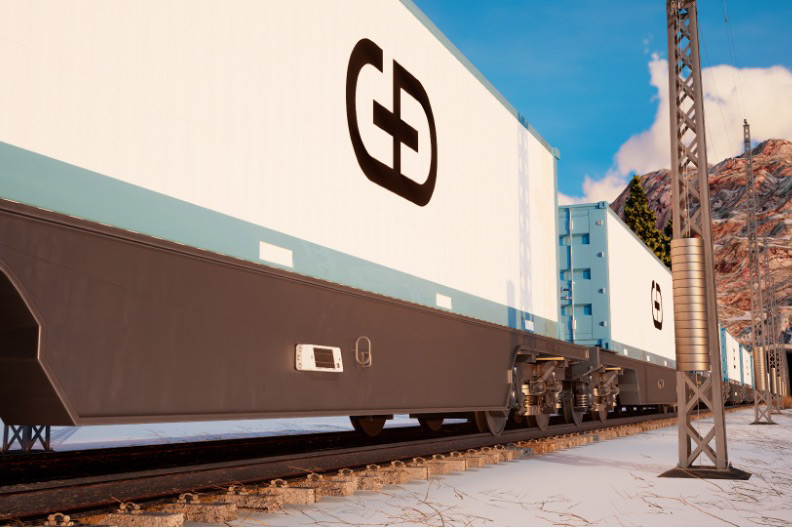
Whether the aim is to create visibility of cargo, transport vehicles or roll-off units, solutions need to be robust. Tracking devices need to be simple to deploy, but they also need to be capable of spending years in the field with little to no maintenance.
Another factor is the growing expectation around the level of data that connected assets can provide. Operations and logistics managers, as well as the AI-enabled tools they increasingly rely on, need information that can support decisions rather than simply confirm a location. When it comes to trailers and containers, for example, companies may also need to know whether doors have been opened, temperatures have changed or goods have been damaged in transit.
The latest generation of solutions can address these requirements more effectively. Solar-powered devices, for instance, can recharge long-life batteries and remain in the field for extended periods with minimal servicing. This reduces maintenance requirements and makes it more practical to connect large fleets of assets across dispersed operations.
These devices are also robust enough to handle all conditions, from the extreme heat of an Arizona summer to the cold of a Minnesota winter. In addition, location tracking is provided through multiple technologies, including GPS, cellular networks, and Wi-Fi. This means assets can be tracked in various situations – whether the units are stored within a large indoor warehouse complex or a package is traveling on a truck through dense forests.
If cargo is loaded for transport, modern tracking devices can also monitor conditions during transit. They can alert logistics professionals and operations managers if trailer doors have been opened or temperatures inside a freezer container have changed. Light sensors can tell if individual parcels within a trailer have been opened, and shock sensors can highlight if a package has potentially been damaged or if the trailer has been in an accident.
The business case for visibility becomes stronger when the data supports operational decisions and creates measurable value. In the equipment rental market, for example, nearly 60% of machinery active across construction and industrial equipment fleets in the U.S. is rented, according to the American Rental Association (ARA).
Tracking devices are providing rental companies with an accurate history of where all their equipment has been located and for how long. This verifiable information helps companies ensure machinery can be easily located, regularly serviced, and repositioned as required.
This data also ensures that billing fees are accurate, which can be crucial in helping resolve disputes. In the logistics industry, this visibility can support analysis when the chain of custody is a factor. The ability to monitor the condition of cargo, detect when an incident occurred, and identify which entity was responsible for the cargo at the time is speeding up the insurance claims process.
The value of asset visibility therefore extends well beyond theft prevention. By combining reliable location and condition data with secure connectivity and the systems used to manage operations, companies can generate trusted, real-time operational data. This does not simply provide better visibility. It puts them in a stronger position to make faster, better-informed decisions. Operational visibility is no longer simply a way to track assets; it is becoming part of the infrastructure businesses need to run them effectively.

About the Author:
Simon Wakely is President, Giesecke+Devrient Mobile Security G+D America, Inc. With more than 15 years at G+D, Simon has extensive experience developing go-to-market strategies, building strategic partnerships and helping customers leverage secure connectivity and IoT solutions across a wide range of industries.

Forging the Next 250 Years: Powering the Next Era of American Manufacturing
Brooklyn Army Terminal (BAT) began as a World War II-era military supply base. Today it is New York City’s largest publicly owned industrial campus, with 59 waterfront acres, more than 4 million square feet and over 100 businesses. In this episode of Industry Insights, Bridget Chansakul, Vice President of Leasing & Portfolio Management at NYCEDC, explains what space is available and what’s planned for the 250,000+ square feet of new industrial space in Building A. She also covers how the ferry, parking and on-site childcare help tenants hire and keep workers, along with workforce partnerships, City incentives for manufacturers and where BAT is headed next.
Get In Touch
Google news and SEO compliant, Industry Today’s state-of-the-art digital media platform offers bespoke media campaigns that target key decision makers and buyers to achieve your marketing and promotional goals.

Contribute
Showcase your brand and promote your business to our highly targeted audience. We offer detailed Google Analytics with measurable ROI to assure success. Submit your content for review by our Editorial team who will contact you to discuss the project further.
About Us
Reach Your Targeted Audience and Grow Your Business. Learn more About Industry Today.
Contact Us

© 2026 Industry today. All Rights reserved.