See how one connected platform brings vehicles, IoT devices, and infrastructure together to help utilities make quicker, informed decisions.
By Chad T. Hall, Executive Business Development Manager at Panasonic Connect
Utilities are navigating a massive and incredibly rapid digital transformation. As they search for smart, efficient ways to modernize the grid and improve service reliability, they are also contending with a host of challenges, from surging demand to workforce shortages. Navigating those pressures requires many things, including investing in new technologies to manage fleet operations — and coordinated planning is needed.
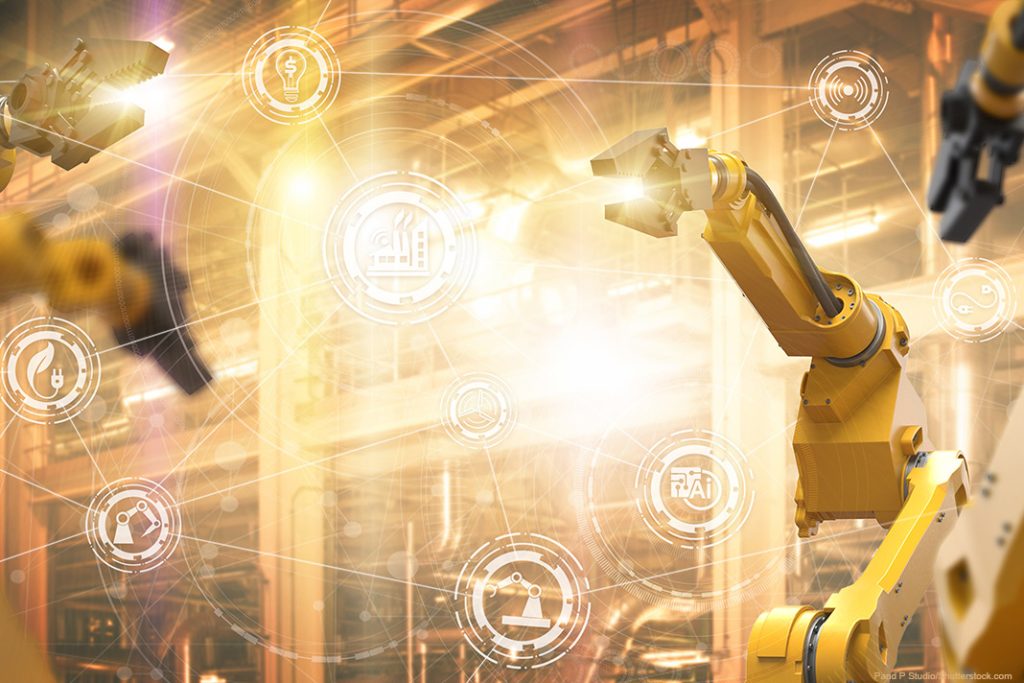
Moving too quickly can lead utilities to add one siloed tool after another to their already large, complex stacks. Long-term success depends instead on investing in an integrated approach, with connected fleet intelligence that enables vehicles, field workers, devices, and infrastructure to work together as one ecosystem, with once-siloed systems connected and visible from a single operational view.
To modernize the grid, utilities are making significant investments in smart grid technologies, with the global smart grid market projected to grow from $77.4 billion in 2026 to $228.4 billion by 2033. Yet despite this significant investment, many new and existing tools are not engineered to work together, creating disconnects between the data utilities collect and the actions field teams need to take.
The limitations of siloed tools and multiple vendor dependencies can be seen across a range of purpose-built solutions utilities rely on, from rugged laptops and IoT-enabled grid monitoring sensors to push-to-talk radios in vehicles. For example, grid sensors may detect a fault and pinpoint its location, but if that information does not flow automatically into the utility’s outage management or work management system, it can lead to a delayed response and the need for costly manual intervention.
Bridging the disconnects between siloed systems requires vendor-agnostic solutions like connected fleet platforms that are designed specifically for the realities of utility workflows. By centralizing data and integrating new and existing systems, the platforms ensure that different tools and technologies can work together to serve their true purpose: enabling more productive workflows and clearer insights for professionals across the value chain.
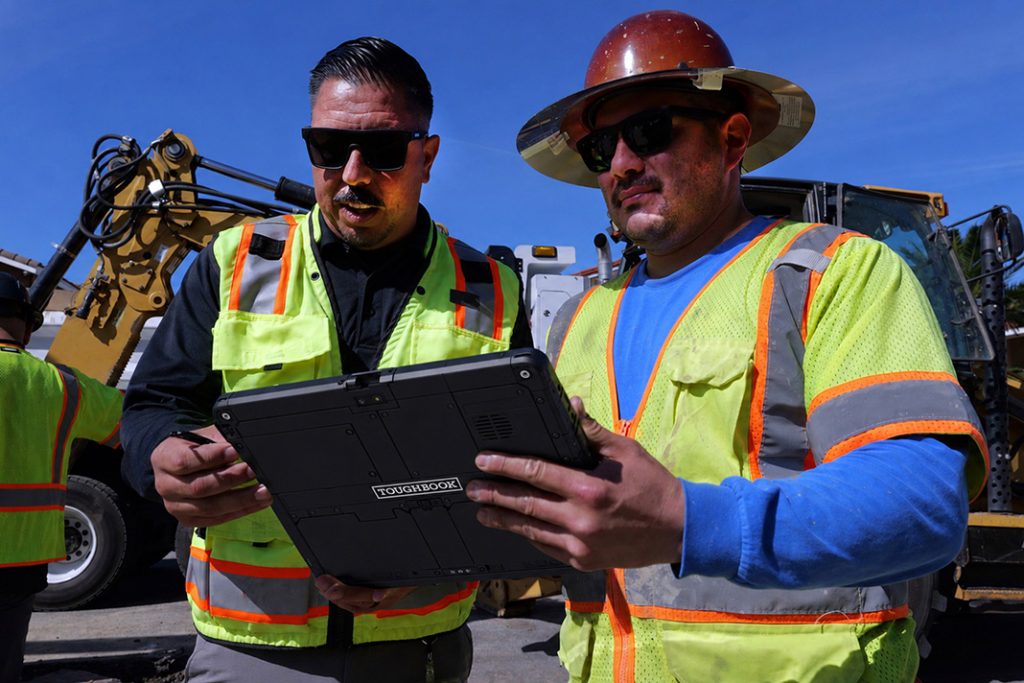
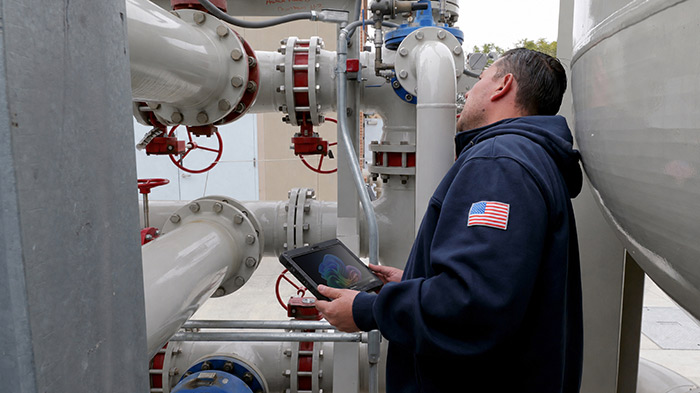
For utilities, fleet management solutions also need to hold up in challenging field environments, where consumer-grade electronics are prone to failure. Rugged devices are designed, tested, and proven to withstand rain, drops, dust, vibration, temperature extremes, and other demanding conditions. Many utilities have already deployed rugged devices as part of daily operations, so the hardware infrastructure is already in place and ready to be connected to a fleet intelligence solution.
Connected fleet platforms capture an immense amount of real-time data from vehicles, IoT devices, and other infrastructure. That edge data is automatically sent to a centralized, cloud-based environment, where fleet managers can view and analyze everything from vehicle health and equipment status to routing inefficiencies, workforce activity, and service demands.
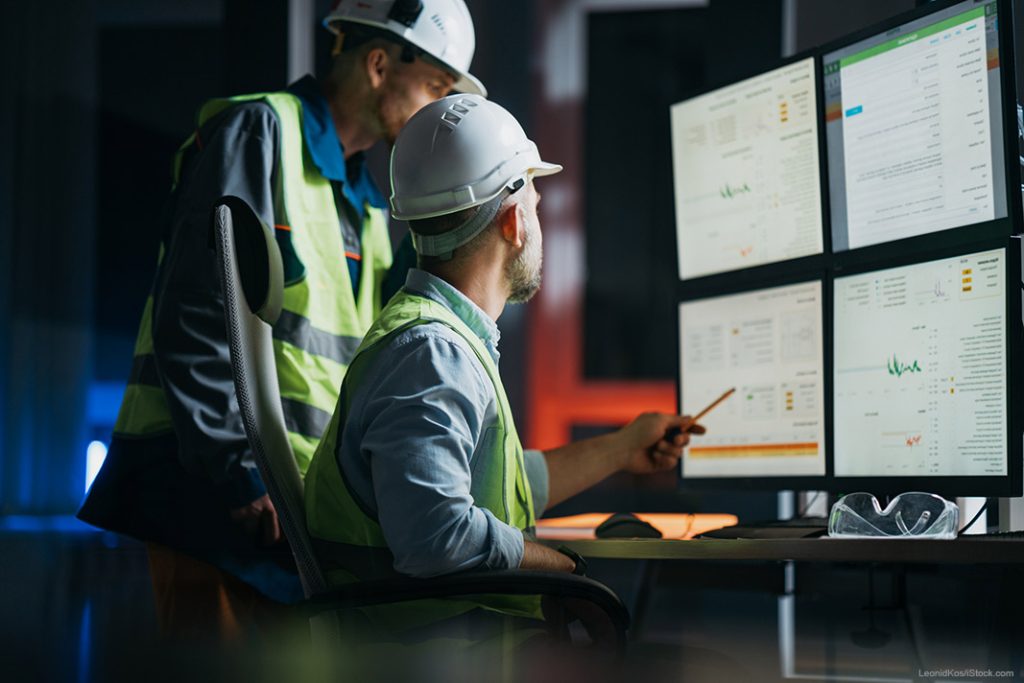
By unifying numerous data streams into a single dashboard, platforms can help leaders make faster, more informed decisions without switching between multiple systems or interfaces. Rather than evaluating crew, asset and vehicle data separately, leaders can layer these insights to build a more complete picture of their operations. Bringing these data points together can support applications ranging from resource allocation and workforce coordination to asset utilization and maintenance. For example, it can automatically flag vehicle anomalies, so organizations can proactively address maintenance needs before they result in expensive repairs or service disruptions. With a clearer understanding of where people and equipment are, their availability and their condition, leaders can better align resources with operational needs and respond as conditions change.
The ultimate value of connected fleet platforms is that they create a more intelligent operating environment to meet growing consumer and service demands. Turning previously siloed data into actionable, intelligent insights leads to more efficient resource allocations and faster response times. It also means fewer costly surprises and a stronger return on fleet investments.
In many cases, the connected platforms do not require utilities to replace or update their existing hardware investments. The latest platforms are designed to support mixed-device fleets, integrating seamlessly with legacy devices to connect vehicles, people, and assets into one operational ecosystem. The platforms also do not typically require purchasing new hardware, communication devices, or other add-on solutions. With greater visibility across their operations, utilities can make more informed decisions about their evolving needs and where additional integrations or capabilities could add value.
The value and ease of deployment of these platforms is especially critical amid the pressures of today’s digital transformation. As utilities face mounting pressure to expand service and improve reliability in record time, it is increasingly vital to deploy high-value, intelligent solutions like connected fleet management platforms. With one unified platform, utilities can better manage their vehicles, field assets, and infrastructure – and, in doing so, they can achieve better cost controls, worker safety, and service outcomes.

About the Author:
Chad Hall serves as Executive Business Development Manager at Panasonic Connect, overseeing the development of rugged mobile solutions to support the utilities sector.

Forging the Next 250 Years: Powering the Next Era of American Manufacturing
In this episode of Industry Insights, Ricky Watts, General Manager, Industrial and Robotics Division at Intel Corporation, explains why the Industry 4.0 groundwork manufacturers have been laying for years is now the foundation for AI at scale. He describes how IT and OT systems are finally coming together, and how agentic AI can pull data from the plant floor, the supply chain and the C-suite to find out why a production line is underperforming. Watts also covers why chips have become strategic infrastructure, the rise of physical AI and robotics in harsh industrial settings, and the skills tomorrow’s workforce will need. He finishes with a layered approach to cybersecurity in software-defined plants.
Get In Touch
Google news and SEO compliant, Industry Today’s state-of-the-art digital media platform offers bespoke media campaigns that target key decision makers and buyers to achieve your marketing and promotional goals.

Contribute
Showcase your brand and promote your business to our highly targeted audience. We offer detailed Google Analytics with measurable ROI to assure success. Submit your content for review by our Editorial team who will contact you to discuss the project further.
About Us
Reach Your Targeted Audience and Grow Your Business. Learn more About Industry Today.
Contact Us

© 2026 Industry today. All Rights reserved.