The OHAUS Explorer Series offers market-leading performance in semi-micro, analytical, precision, and high capacity balances. Durable construction combines with outstanding weighing performance, accuracy, and repeatability to take the guesswork out of measurement traceability and GMP standards compliance. With readabilities from 0.01mg to 0.1g, and capacities up to 35kg, the Explorer Series is fully featured and prepared to meet all of your weighing needs.
The OHAUS Explorer Series is a comprehensive family built to handle every task. With sturdy construction and features like a large color touchscreen, touchless sensors, 14 weighing modes, and more, the Explorer can take you from everyday tasks all the way to the most complex applications.
www.ohaus.com/en-us/explorerprecision

Forging the Next 250 Years: Powering the Next Era of American Manufacturing
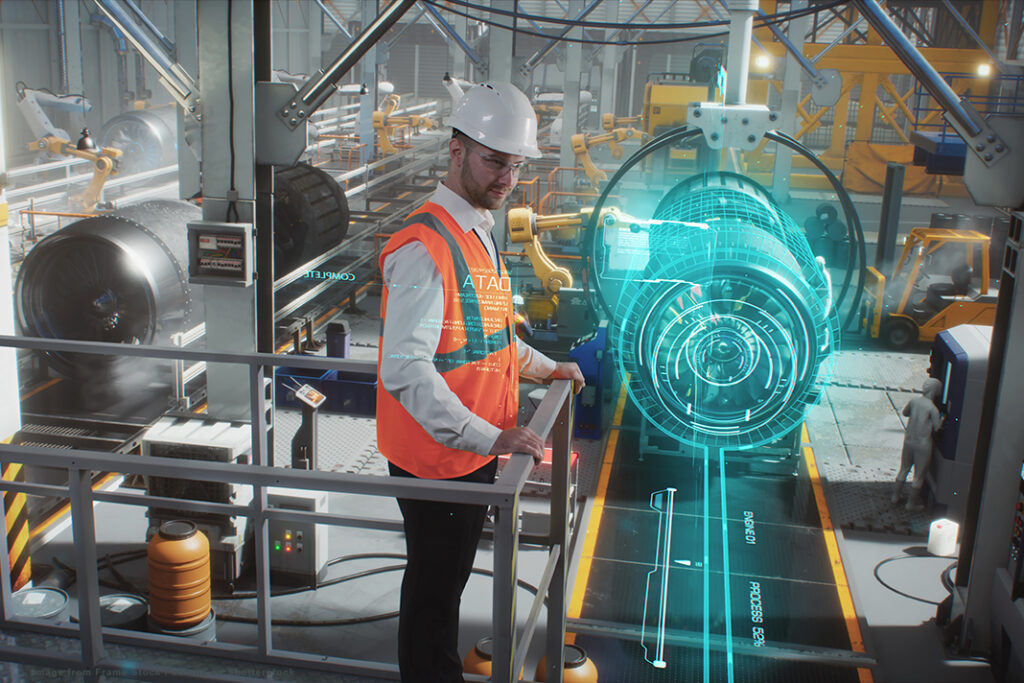
In this episode of Industry Insights, Ricky Watts, General Manager, Industrial and Robotics Division at Intel Corporation, explains why the Industry 4.0 groundwork manufacturers have been laying for years is now the foundation for AI at scale. He describes how IT and OT systems are finally coming together, and how agentic AI can pull data from the plant floor, the supply chain and the C-suite to find out why a production line is underperforming. Watts also covers why chips have become strategic infrastructure, the rise of physical AI and robotics in harsh industrial settings, and the skills tomorrow’s workforce will need. He finishes with a layered approach to cybersecurity in software-defined plants.
Get In Touch
Google news and SEO compliant, Industry Today’s state-of-the-art digital media platform offers bespoke media campaigns that target key decision makers and buyers to achieve your marketing and promotional goals.

Contribute
Showcase your brand and promote your business to our highly targeted audience. We offer detailed Google Analytics with measurable ROI to assure success. Submit your content for review by our Editorial team who will contact you to discuss the project further.
About Us
Reach Your Targeted Audience and Grow Your Business. Learn more About Industry Today.
Contact Us

© 2026 Industry today. All Rights reserved.