How do drinking water treatment companies know they are selecting the best tank equipment for their operational needs?
By Brian Wallace
Choosing a tank for water storage and treatment requires careful consideration because the safety and quality of water depend on the tank. According to the U.S. Environmental Protection Agency (EPA), all materials that come into contact with consumable water, including liners and structural/industrial components, must meet NSF/ANSI Standard 61, which ensures materials that touch potable water do not risk leaching chemicals or other contaminants into it.
To ensure companies get the best tank for their operation, they should request a customized estimate on a site such as MXD Process Studio. The site’s Tank CPQ designer software generates tank designs and prices for industries such as food and beverage, personal care and pharma, chemical and industrial, and water and environmental. Every quote is reviewed by an account executive to ensure all specs are accurate and can be made into a real-world product.
Select the industry on the Step 1 “What are you making?” landing page. Under the “Water & Environmental” section, choose “Water Treatment & Environmental Process Liquids.”
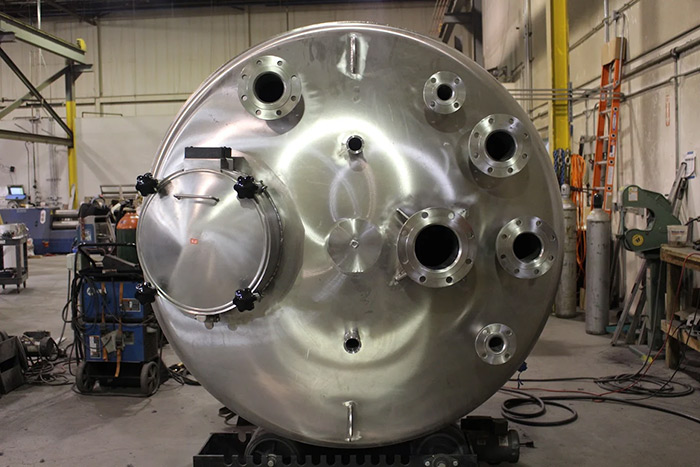
After the industry is selected, enter values for the minimum and maximum volume in gallons to determine the size of the vessel. Although optional, providing an available footprint helps to consider the physical space the tank will need. Height, width and depth values are measured in inches.
This page determines the type of tank based on use and material. Tank type directly determines the vessel’s configuration, coatings or any added hardware. The first option offered is a storage tank that holds materials without processing them. It does not contain a mixer or baffle. The second option is a mix tank. This mixer-ready vessel contains a reinforced mount and baffles. If this option is selected, the agitator will be quoted separately after configuration. A protective outer jacket and thermal insulation are optional for both the tank’s sidewall and bottom head.
This step is for adjusting and editing any previously entered specs. The type of top and bottom heads are also editable and offer 10 and six options, respectively. Two material and finish options are available for wetted interior or non-wetted accessories or exterior surfaces, including 304L and 316L stainless and 2B and #4 finish. Maximum jacket temperature and pressure values can be included in Fahrenheit and PSI.
Top head
Straight side
Bottom head
Specific sanitary TP, ANSI flanged, NPT threaded, flammable/XP and pharma BPE are available for each part of the tank. The quantity of each variety can be customized. Additionally, mixer mounts can be added to the top and a jacket/utility connection nozzle to the straight side.
Vessel Size
Customized vessel size can be chosen from a list of over 70 options. The specs include the following categories:
Nominal OD
Straight side height
Est. total height
Vessel volume
Volume required (with headspace)
ASME certification (requirement depending on type and size of tank)
The larger the tank volume, the more expensive it will be. Leave any notes for the engineer at the bottom of the page to provide special requirements, constraints or context to the building team.
When all the fields are filled out, request a quote from the account executive. Type your name, work email, company name and phone number (optional) to receive your quote. The estimate will be sent to your inbox and is held for 30 days. The executive will review the tank design to ensure it meets process requirements.
Example tank preview designed using this site:
Storage tank vessel – custom size: 144” OD, 402” SSH
Interior (wetted): 304 L stainless; 2B finish
Non-wetted accessories: 304L stainless
Exterior surface finish: 2B finish
Tank type: Storage tank
Nominal OD: 144”
Straight side height: 402”
Est. total height: 444”
Vessel capacity: 32,000 gal
Max working batch: 30,000 gal
Min working batch: 25,000 gal
Top head: Open
Bottom head: Dish
Fittings and accessories: No fittings selected
According to the final quote, the custom storage tank vessel would cost $113,486.00. Freight is quoted separately. The estimated lead time is 14-18 weeks ARO. The pricing included in the estimate covers the build as designed on the site. Final dimensions will be confirmed after purchase. Any changes requested during the engineering drawing and review phase may incur additional charges to cover labor and additional materials.
Stainless steel is considered the best overall material for water storage because it resists corrosion and is non-porous, so harmful chemicals or minerals cannot leach into the water.
Quotes are generated instantaneously.
Quotes are sent to the provided email address.
Final design and engineering drawings will be available after purchase.
Freight is quoted separately.
A sales representative will follow up after the quote is received and ask if you have any questions about your estimate. You can email them back, call them directly or schedule a call through the link they provide. They can update your estimate or answer any questions customers may have about their products or service processes.
What is the intended use of the water?
What capacity and dimensions are needed?
Will the tank be installed above or below ground?
If needed, what type of foundation pad or slab is best?

About the Author:
Brian Wallace is the Founder and President of NowSourcing, a leading infographic design agency in Louisville, KY and Cincinnati, OH which works with companies ranging from startups to Fortune 500s. Brian runs #LinkedInLocal events, hosts the Next Action Podcast, and has been named a Google Small Business Advisor for 2016-present. Follow Brian Wallace on LinkedIn as well as Twitter.

Forging the Next 250 Years: Powering the Next Era of American Manufacturing
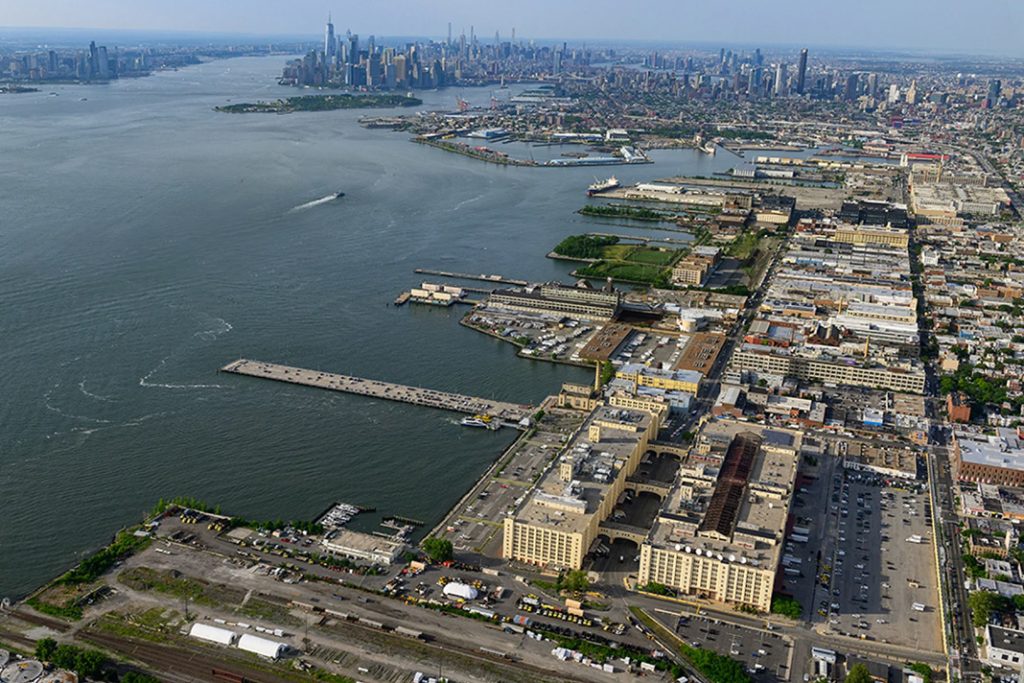
Brooklyn Army Terminal (BAT) began as a World War II-era military supply base. Today it is New York City’s largest publicly owned industrial campus, with 59 waterfront acres, more than 4 million square feet and over 100 businesses. In this episode of Industry Insights, Bridget Chansakul, Vice President of Leasing & Portfolio Management at NYCEDC, explains what space is available and what’s planned for the 250,000+ square feet of new industrial space in Building A. She also covers how the ferry, parking and on-site childcare help tenants hire and keep workers, along with workforce partnerships, City incentives for manufacturers and where BAT is headed next.
Get In Touch
Google news and SEO compliant, Industry Today’s state-of-the-art digital media platform offers bespoke media campaigns that target key decision makers and buyers to achieve your marketing and promotional goals.

Contribute
Showcase your brand and promote your business to our highly targeted audience. We offer detailed Google Analytics with measurable ROI to assure success. Submit your content for review by our Editorial team who will contact you to discuss the project further.
About Us
Reach Your Targeted Audience and Grow Your Business. Learn more About Industry Today.
Contact Us

© 2026 Industry today. All Rights reserved.