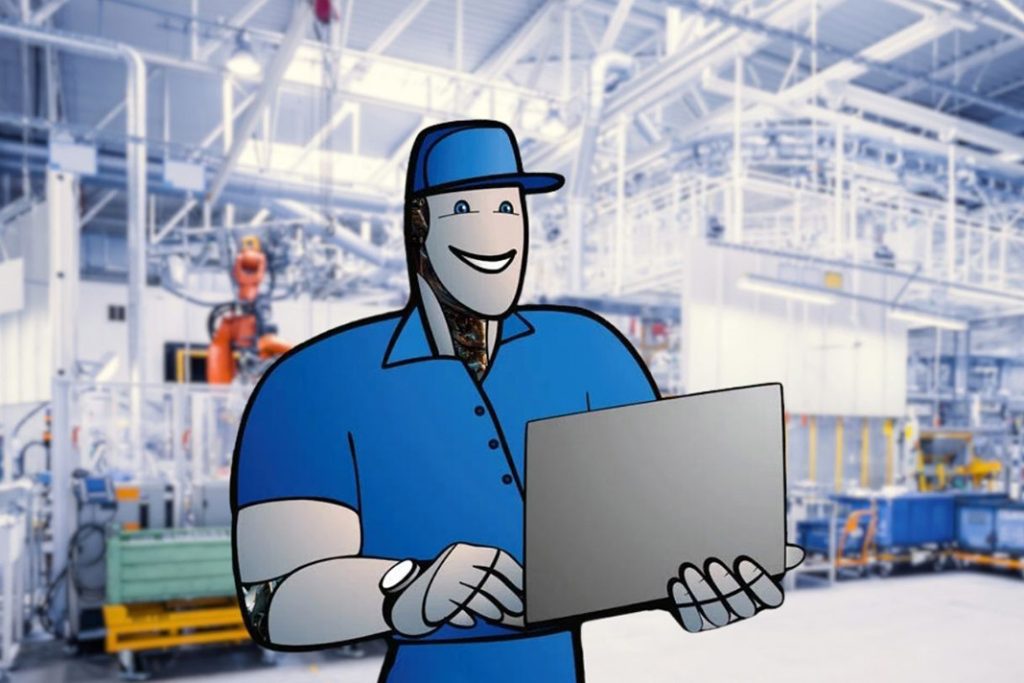
Continuous learning helps close the widening skills gap between supply chain and manufacturing by building adaptable, future-ready talent.
By Brian Sobus, CTO of Litmos
Supply chain and manufacturing technology is advancing rapidly, demanding a workforce that can apply real-world knowledge while adapting to new digital tools. Every team member, from recent hires to seasoned executives, must possess the skills to grow and keep pace with industry innovations. However, achieving that level of readiness is easier said than done, and many organizations face significant challenges in getting there.
Rather than only recruiting new talent or trying to reduce turnover, the solution must include continuous learning, which proactively emphasizes ongoing education, retention, and future-proofing skills. This approach quickly brings workers up to speed and keeps them there to make lasting improvements in performance and consistency.
Equipping an entire company, including senior personnel, with the expertise and capabilities needed in an increasingly digital landscape is no easy feat. Seasoned leaders are retiring at a rapid pace and taking decades of knowledge and experience with them. This phenomenon, often referred to as “brain drain,” is intensifying manufacturer staffing shortages and putting pressure on new hires to quickly learn complex processes, tools, and safety protocols.
Training now covers everything from standard operating procedures to regulatory requirements and quality controls, often across multiple sites and shifts. When it is outdated or fragmented, the negative impact is felt beyond the walls of an individual company. Slower production, diminished productivity, and higher prices will affect industries downstream and expose this skills dilemma as an economic problem, not just a corporate pain point.
Resolving the issue is essential to a sustainable and competitive future for the supply chain sector, especially given the outlook presented by recent recruitment metrics. Data from Deloitte indicates that the industry will need to fill 3.8 million positions between 2024 and 2033, but almost half could remain unfilled due to a lack of qualified candidates.
Traditional training programs prioritize introductions and establish a baseline understanding of job responsibilities. While these initiatives may enhance employee retention by over 50% and productivity by 60%, they are often designed to get workers through their first few months, but not to sustain performance over time. In manufacturing, though, the job doesn’t stay the same. Processes evolve, equipment is updated, and compliance mandates change.
Instead, organizations need to extend training past the typical 90-day window to reinforce critical knowledge and support workers indefinitely as they adapt to operational changes. Continuous learning does exactly that.
This strategy aligns team members, regardless of experience or rank, with how work should be performed rather than showing them the ropes only once. Opportunities to learn new skills and to build adaptability keep employees engaged in their roles and reduce turnover, as both newcomers and seasoned staff become more invested in personal growth and the company’s success.
This commitment to learning typically inspires workers to innovate rather than react. Businesses that prioritize training report a 52% higher productivity rate and are 17% more profitable, underscoring this tactic’s value. This alignment improves teamwork and fosters a sense of belonging that enhances overall performance.
To be effective in manufacturing environments, continuous learning must be practical, accessible, and synchronized with workflows. HR teams and leadership can develop and strengthen learning initiatives by:
Hiring alone will not resolve the supply chain skills gap. Continuous training and development opportunities that evolve with employees can prepare companies both to meet and keep pace with the future. The road ahead might seem steep, but in an industry defined by precision and efficiency, the ability to keep teams trained, aligned, and ready gives companies a significant advantage. Establishing a culture of lifelong learning will maintain it.

About the Author
Brian Sobus is the Chief Technology Officer at Litmos, where he leads the Product, Software Engineering, Cloud Operations, and Security organizations. With more than 20 years of experience in technology leadership, Brian has a proven track record of building scalable products and high-performing teams across edtech, digital marketing, and SaaS industries. Prior to joining Litmos, he served as CTO of SchoolStatus and CTO of Nextech Systems, giving him broad experience across education technology and healthcare technology platforms. Brian brings a hands-on approach that bridges technical architecture and people leadership and has helped shape products used by millions, from everyday tools to complex enterprise platforms. He is passionate about creating agile environments where teams can do their best work.
Forging the Next 250 Years: Powering the Next Era of American Manufacturing
As manufacturers offer more customization than ever before, managing product complexity has become a critical challenge. Tune in with Dan Joe Barry, Vice President of Product Marketing at Configit, who explores how companies are tackling the growing number of product configurations across engineering, sales, manufacturing, and service. He explains how Configuration Lifecycle Management (CLM) helps organizations maintain a single source of truth for configuration data. The result: fewer errors, faster quoting, and the ability to deliver customized products at scale.
Get In Touch
Google news and SEO compliant, Industry Today’s state-of-the-art digital media platform offers bespoke media campaigns that target key decision makers and buyers to achieve your marketing and promotional goals.

Contribute
Showcase your brand and promote your business to our highly targeted audience. We offer detailed Google Analytics with measurable ROI to assure success. Submit your content for review by our Editorial team who will contact you to discuss the project further.
About Us
Reach Your Targeted Audience and Grow Your Business. Learn more About Industry Today.
Contact Us

© 2026 Industry today. All Rights reserved.