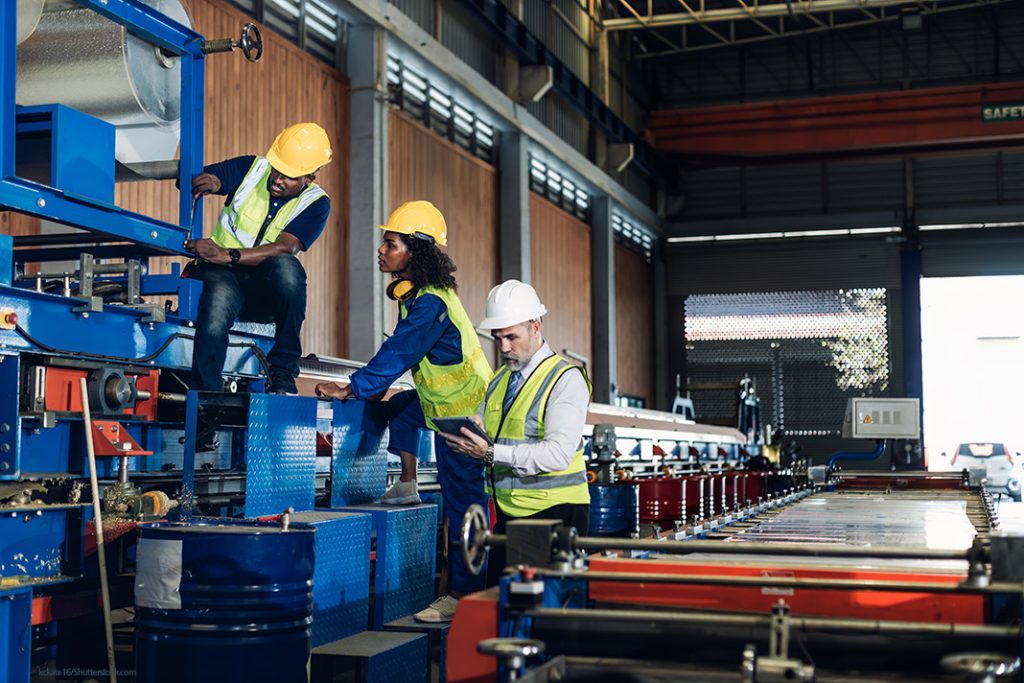
Domestic manufacturing growth is creating new opportunities while requiring companies to rethink how they manage financial and operational risk.

By Chris Slack
As manufacturers invest in new domestic facilities, expand production capacity and rethink global supply chains, many are discovering that building the next generation of American manufacturing requires more than capital and construction plans. It also requires new approaches to risk management.
Over the past several years, manufacturers have faced a series of disruptions that have altered how they think about growth. Inflation, geopolitical tensions, supply chain interruptions and shifting trade policies have prompted many organizations to reassess where and how they produce goods.
These pressures have accelerated interest in onshoring and reshoring strategies across sectors ranging from advanced electronics and semiconductor manufacturing to renewable energy and industrial equipment production. The objective is to bring critical suppliers and production capacity closer to end markets and reduce dependence on distant supply chains. However, as manufacturers pursue those opportunities, a new set of challenges is emerging.
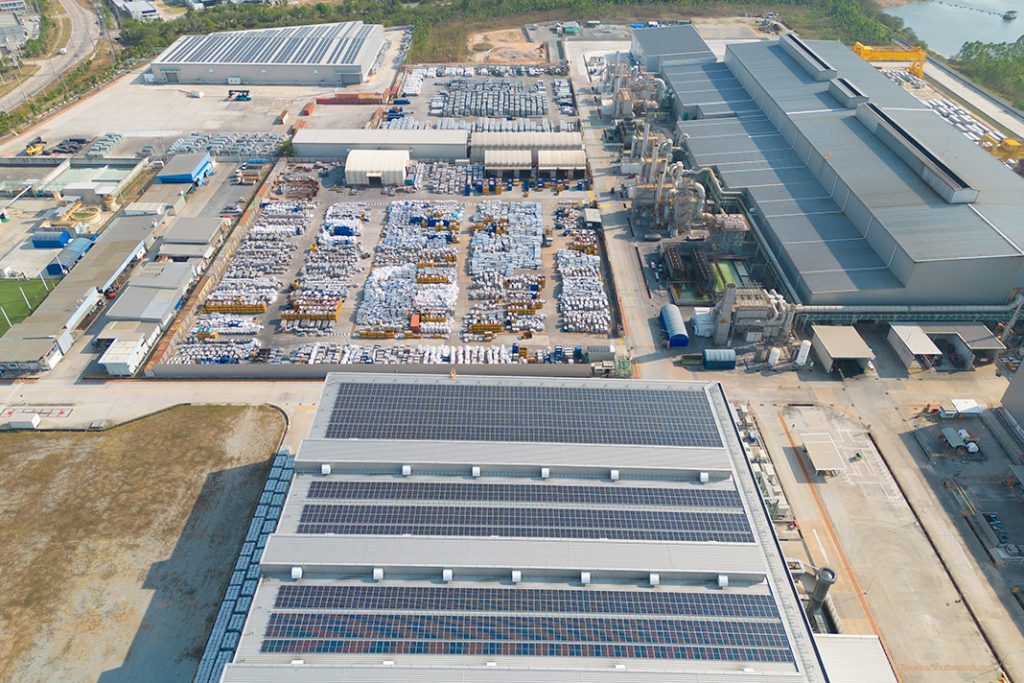
The expansion of advanced manufacturing in the United States is driving substantial investment in new facilities, equipment and infrastructure. These projects can involve complex supplier relationships, substantial capital commitments and long-term contractual obligations.
At the same time, manufacturers continue to navigate evolving tariff requirements and trade policies that directly affect the movement of goods and raw materials across borders. As trade conditions shift, organizations must remain compliant with customs regulations while maintaining sufficient financial guarantees to support their operations.
That is where surety bonds are increasingly becoming a critical component of business strategy.
While often viewed primarily as a compliance requirement, surety bonds can serve a much broader purpose. Customs, tax, license and permit bonds help businesses provide financial assurances to regulators and other stakeholders as they pursue expansion plans, establish new facilities and enter new markets.
For manufacturers seeking to scale operations while navigating an increasingly complex regulatory environment, those guarantees can become essential to executing growth strategies.
Tariff uncertainty has become a significant concern for many manufacturers. Changes to tariffs can alter import costs, affect sourcing decisions and increase duty exposure, creating new financial considerations for organizations that rely on global supply chains. Companies may find themselves reevaluating import volumes, adjusting procurement strategies and reassessing the bond levels needed to support customs obligations.
The effects can extend beyond logistics functions. According to The Hartford’s Global Insights Center, tariff changes implemented during 2025 contributed to increased costs for imported materials such as lumber, copper and steel, while creating broader disruptions across manufacturing supply chains. These pressures can affect margins, working capital requirements and financial performance, all of which influence how organizations approach risk management and financial planning.
For manufacturers operating in highly competitive markets, the ability to anticipate and adapt to these changes may become an important competitive advantage.
As manufacturing projects become larger and more technically sophisticated, standard risk-management solutions are becoming less common.
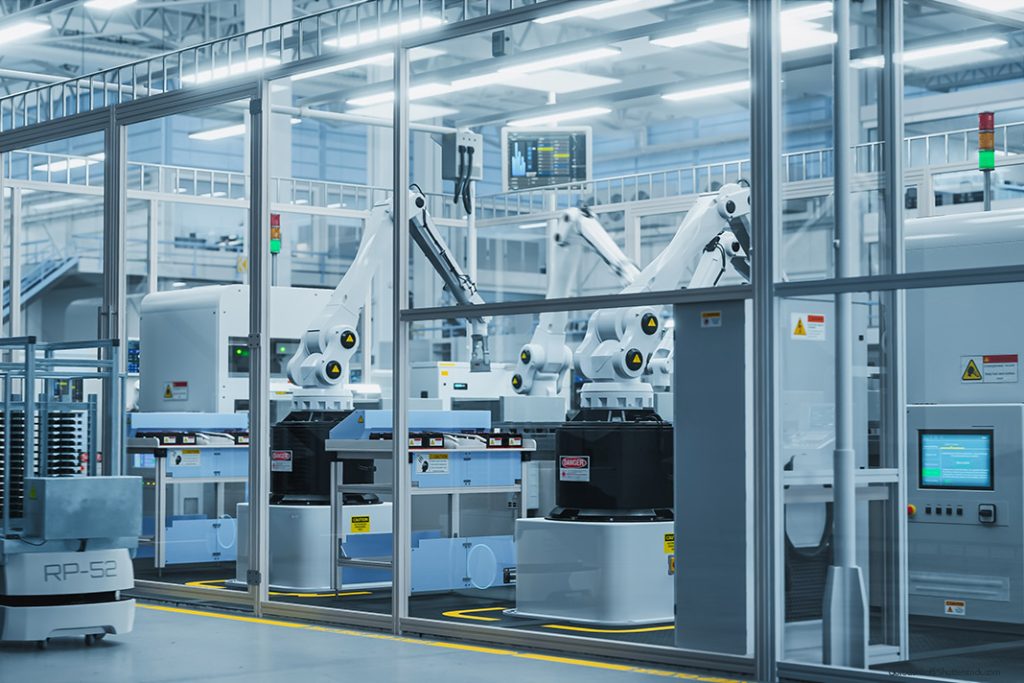
Advanced manufacturing often involves customized production processes, specialized technology, unique intellectual property considerations and complex contractual arrangements. Whether a company is producing semiconductors, battery components, medical technology or renewable energy equipment, the underlying risks can vary significantly from one operation to another.
As a result, manufacturers are increasingly relying on collaborative relationships among brokers, surety providers and business leaders to evaluate project requirements and structure appropriate solutions.
That approach recognizes an important reality: financial statements alone rarely tell the full story of a company’s ability to execute on ambitious projects. Operational expertise, management experience, technical capabilities, contractual performance history and long-term strategy all play critical roles in determining risk.
For emerging sectors and rapidly growing manufacturers, those broader considerations may be particularly important when pursuing large-scale expansion initiatives.
Surety support extends beyond regulatory compliance. Performance bonds, for example, can help manufacturers provide assurances related to equipment delivery, project completion, commissioning activities and long-term contractual obligations. These protections become increasingly valuable as manufacturers undertake larger, more technologically advanced projects.
The challenge is that many advanced manufacturing industries remain relatively young. Supply chains are still evolving. Contract structures continue to mature. Production methods are advancing rapidly. In this environment, flexibility and expertise become especially important.
Organizations need risk-management partners capable of understanding both traditional financial indicators and the unique characteristics of emerging industries. At the same time, brokers and carriers must continue developing specialized knowledge around technologies, production methods and supply chain models that may not have existed a decade ago.
The long-term outlook for advanced manufacturing remains compelling. Investments in domestic production, strategic supply chain resilience and emerging technologies continue to create opportunities throughout the sector. However, growth will not occur in a vacuum.
As manufacturers build facilities, develop new products and navigate a more complex trade environment, risk management will remain a critical element of successful execution. Organizations that proactively address regulatory, contractual and operational risks may be better positioned to capitalize on the opportunities presented by the next phase of industrial growth.
Manufacturers are investing in domestic facilities, expanding production capacity and redesigning supply chains amid inflation, geopolitical tensions, trade-policy changes and supply chain disruptions. These conditions can introduce new regulatory, financial, contractual and operational risks that need to be addressed alongside construction and production planning.
A surety bond provides a financial assurance that a business will meet a specified regulatory or contractual obligation. In manufacturing, bonds can support requirements associated with customs, taxes, licenses, permits, equipment delivery, project completion and other commitments.
Surety bonds can help manufacturers provide required assurances to regulators, customers and other stakeholders as they establish facilities, enter markets and undertake large projects. Beyond satisfying compliance requirements, the right surety program can become part of the financial and operational foundation that allows a manufacturer’s growth strategy to move forward.
The appropriate bonds depend on the manufacturer’s operations and obligations. Customs, tax, license and permit bonds can support regulatory requirements, while performance bonds can provide assurances related to equipment delivery, project completion, commissioning and longer-term contractual obligations.
Advanced manufacturing operations can involve specialized technology, customized processes, intellectual property considerations and complex contracts. Collaboration among manufacturers, brokers and surety providers can help the parties understand those distinctive exposures and structure solutions appropriate to the project and business.
Manufacturers should consider beginning those conversations while they are evaluating an expansion, a major contract, a new facility or changes to their importing activity. Early engagement can help the parties evaluate project requirements, understand potential obligations and identify the financial assurances that may be needed to support execution. This timing recommendation is an editorial takeaway based on the article’s emphasis on proactive risk management and collaboration.
The future of advanced manufacturing is not only about innovation. It is also about building the financial and operational foundations that allow innovation to scale. As onshoring accelerates and supply chains continue to evolve, risk management tools such as surety bonds are likely to play an increasingly important role in supporting the industry’s continued expansion.
In many respects, the future of advanced manufacturing is not only about innovation. It is also about building the financial and operational foundations that allow innovation to scale. As onshoring accelerates and supply chains continue to evolve, risk management tools such as surety bonds are likely to play an increasingly important role in supporting the industry’s continued expansion.

About the Author:
Chris Slack is head of Commercial Surety at The Hartford. He leads a team focused on helping businesses address regulatory, contractual and operational obligations through surety solutions. Working closely with brokers and customers, he supports organizations across a range of industries as they pursue growth, expansion and complex business initiatives.
Forging the Next 250 Years: Powering the Next Era of American Manufacturing
As manufacturers offer more customization than ever before, managing product complexity has become a critical challenge. Tune in with Dan Joe Barry, Vice President of Product Marketing at Configit, who explores how companies are tackling the growing number of product configurations across engineering, sales, manufacturing, and service. He explains how Configuration Lifecycle Management (CLM) helps organizations maintain a single source of truth for configuration data. The result: fewer errors, faster quoting, and the ability to deliver customized products at scale.
Get In Touch
Google news and SEO compliant, Industry Today’s state-of-the-art digital media platform offers bespoke media campaigns that target key decision makers and buyers to achieve your marketing and promotional goals.

Contribute
Showcase your brand and promote your business to our highly targeted audience. We offer detailed Google Analytics with measurable ROI to assure success. Submit your content for review by our Editorial team who will contact you to discuss the project further.
About Us
Reach Your Targeted Audience and Grow Your Business. Learn more About Industry Today.
Contact Us

© 2026 Industry today. All Rights reserved.