Manufacturers face a workforce shortage and must adapt strategies to attract Gen Z talent while building a skilled, future-ready workforce.
By Greg Dyer
Employers worldwide are confronting a universal challenge: attracting and retaining talent. A significant portion of the manufacturing workforce is nearing retirement, with a slim pipeline of young workers to fill those positions. Data from Deloitte and the Manufacturing Institute show the industry will need 3.8 million new workers by 2033. With almost half a million manufacturing roles currently open and the recent push for reshoring, there’s plenty of opportunity for Gen Z. However, manufacturers must re-evaluate their approach to recruiting younger workers.
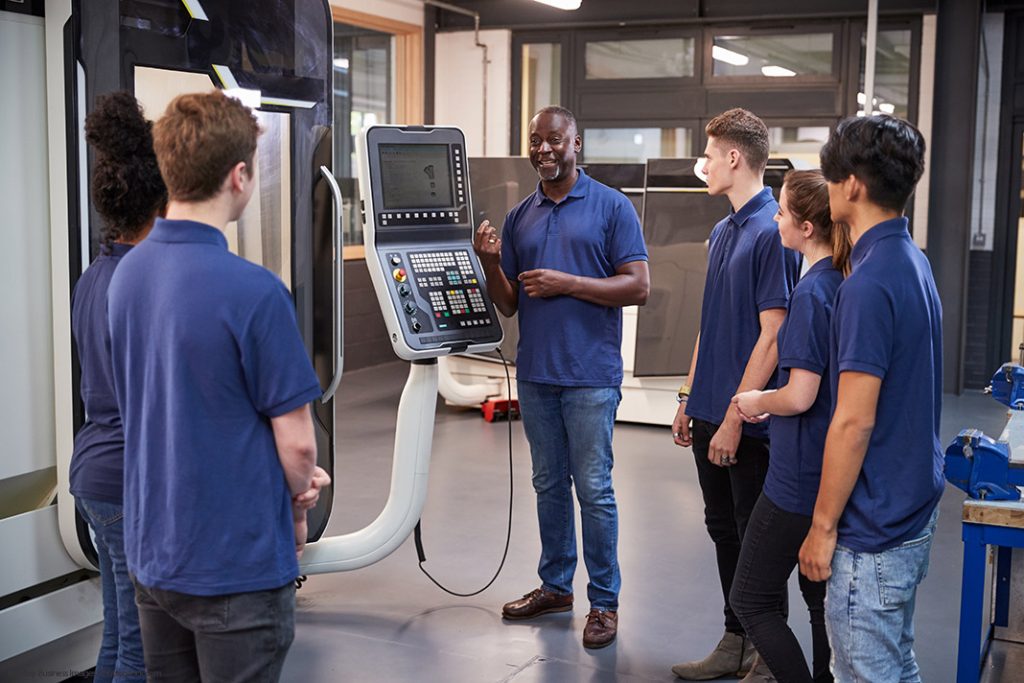
It’s crucial for leaders not only to hire but also to develop and retain the next generation. Gen Z wants a space to grow professionally, and by cultivating that environment, organizations can unlock their potential. Providing upskilling opportunities, mentorship programs, and clear career advancement pathways fosters a workplace that young workers want to contribute to.
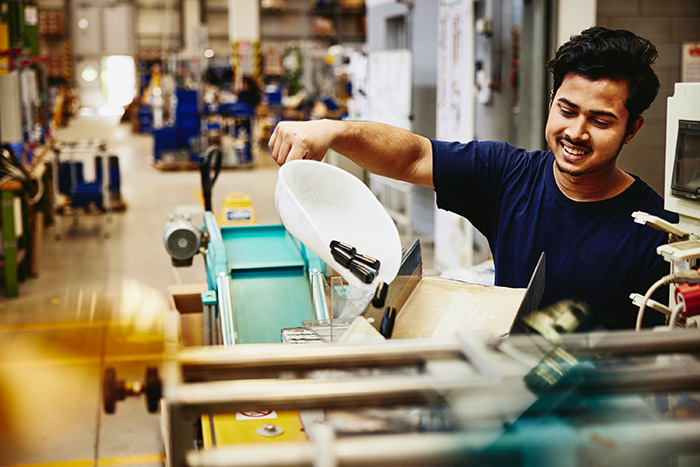
Employers around the globe are facing similar challenges as they look to bolster their workforce. More and more entry-level talent is entering workforce readiness; however, a lack of job postings is limiting career opportunities.
The number of available job postings is decreasing. According to a recent report from Randstad USA, entry-level position postings have only increased by 3%, while mid-career and senior-level positions have increased by 31% and 25%, respectively. This lack of growth puts Gen Z in a difficult position, entering the manufacturing industry where they can, rather than where they want, with 60% reporting that they chose their industry based on job availability.
It’s no surprise that Gen Z workers are the least motivated and engaged in their current roles compared to older generations. If manufacturing leaders want to future-proof their workforce amid a shortage of skilled trade workers, they must gain a better understanding of this talent pool.
Contrary to common stereotypes, Gen Z is ambitious in their careers and eager to fulfill their professional goals. The reality is that this generation of the workforce is hungry for career advancement, seeking growth opportunities focused on learning and development. According to a 2025 Deloitte survey, Gen Z respondents say on-the-job learning (89%) and mentorship from experienced colleagues (86%) are among the most valuable tools for career growth. In turn, manufacturing employers have an opportunity to gain the loyalty and interest of Gen Z by nurturing their careers and meeting this group’s professional wants, including through learning and development.
It’s clear that this generation is actively seeking ways to grow and stay relevant, rather than waiting for formal instruction to come to them. This is particularly true in manufacturing, where technology, automation, and digital tools continue to reshape day-to-day responsibilities. Gen Z workers want to build skills that keep them competitive and adaptable.
When employers offer structured training, certifications, mentorship, and clear internal mobility, it sends a strong message that the organization cares about the talent’s future and reinforces long-term retention. Workers who do not see opportunities to grow are far more likely to look elsewhere. For Gen Z, a lack of progression quickly leads to disengagement, while visible advancement builds trust and commitment.
For manufacturing leaders navigating skilled labor shortages, investing in early career development is not just a cultural initiative. It is a workforce strategy. Creating clear pathways from entry-level jobs to specialized roles or leadership positions can bolster the team of long-term contributors and strengthen the talent pipeline for years to come.
Gen Z’s expectations for continuous, practical, and accessible learning are especially popular with AI, where digital skills playing a key role in career advancement. While much of Gen Z is excited about the prospect of using AI in the workplace, less than half (40%) have received AI training in the past year. For employers, this discrepancy represents a clear opportunity to differentiate themselves by providing AI training and skills development, strengthening Gen Z recruitment and retention.
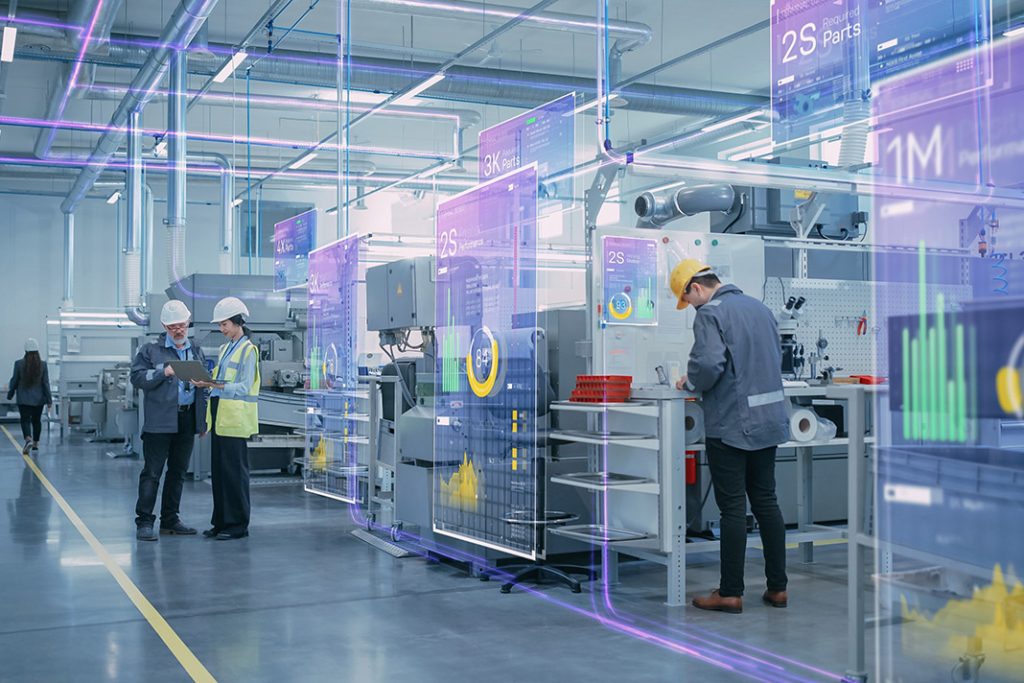
Providing structured AI education, hands-on exposure to automation tools, and equitable access to emerging technology signals that an organization is forward-thinking and committed to its workforce. Across manufacturing and logistics, where automation is reshaping operations, AI literacy is quickly becoming a baseline expectation rather than a specialized skill.
For Gen Z, AI skills are more than technical knowledge; they represent career security, relevance, and the ability to progress. When employers integrate AI learning into development programs, they give young workers a reason to stay. Pairing skills development with advancement opportunities will be the key for employers to unlock engagement and loyalty among Gen Z.
Gen Z workers are ambitious, forward-thinking, and eager to build meaningful careers, and they’re looking for employers that provide growth opportunities, work-life balance, and access to emerging skills, such as AI. By creating an environment and culture that prioritizes structured learning, healthy work-life balance, and clear advancement pathways, manufacturing organizations can gain a competitive edge in recruitment and retention. Investing in professional development is no longer just a perk; it is a strategic workforce imperative. And with it, employers can transform early-career hires into long-term, engaged contributors and build a resilient, future-ready workforce.

About the Author:
Greg Dyer serves as the Chief Commercial Officer of Randstad USA, leading the in-house services concept and enterprise strategic accounts teams. Greg has over two decades of experience in the talent services and staffing space, with a deep understanding of workforce planning needs, including within the manufacturing and logistics sector.
Read more from the author:
How to Retain Workers in the ‘Next Normal’, MyTotalRetail (August 18, 2021)
How Emerging Technology Can Help Call Center Reps Do More, Retail TouchPoints (August 9, 2018)
Forging the Next 250 Years: Powering the Next Era of American Manufacturing
As manufacturers offer more customization than ever before, managing product complexity has become a critical challenge. Tune in with Dan Joe Barry, Vice President of Product Marketing at Configit, who explores how companies are tackling the growing number of product configurations across engineering, sales, manufacturing, and service. He explains how Configuration Lifecycle Management (CLM) helps organizations maintain a single source of truth for configuration data. The result: fewer errors, faster quoting, and the ability to deliver customized products at scale.
Get In Touch
Google news and SEO compliant, Industry Today’s state-of-the-art digital media platform offers bespoke media campaigns that target key decision makers and buyers to achieve your marketing and promotional goals.

Contribute
Showcase your brand and promote your business to our highly targeted audience. We offer detailed Google Analytics with measurable ROI to assure success. Submit your content for review by our Editorial team who will contact you to discuss the project further.
About Us
Reach Your Targeted Audience and Grow Your Business. Learn more About Industry Today.
Contact Us

© 2026 Industry today. All Rights reserved.