Discover how upgrading commercial property can attract talent, cut costs, support local regeneration and drive sustainable regional growth.
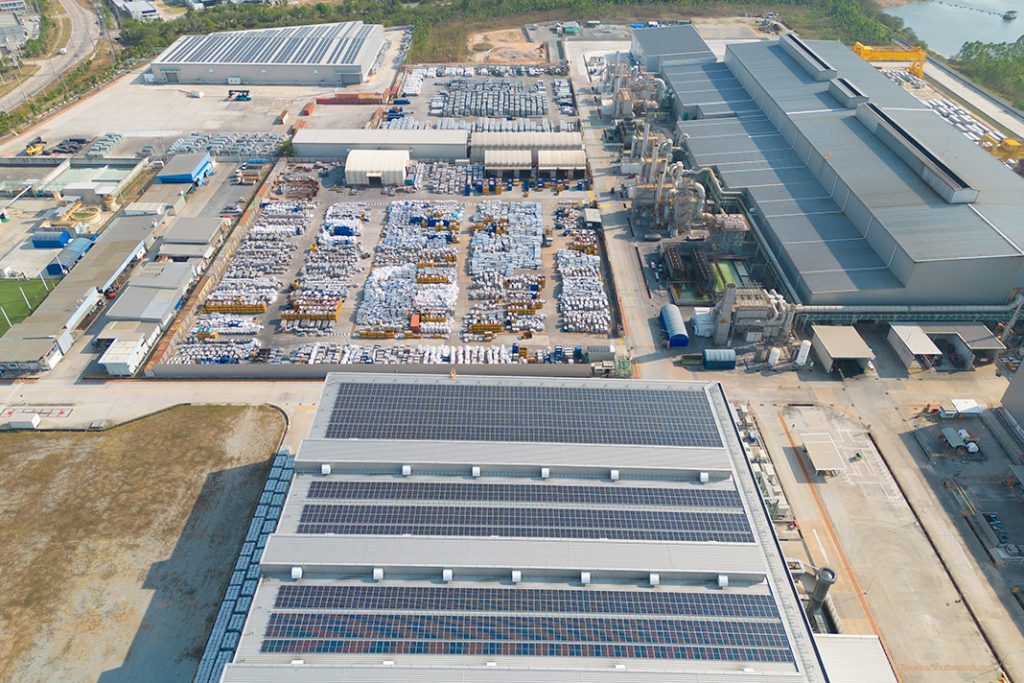
Commercial property doesn’t just house businesses; it shapes how well those businesses can grow. Across the UK’s towns and cities, upgrading older office buildings, industrial units and mixed-use premises is proving to be one of the more effective ways to support regional economic growth, often without the disruption of moving anywhere at all.
Well-maintained commercial buildings tend to anchor local economies far beyond the businesses that occupy them. Offices and industrial units generate footfall, support nearby retail and services, and give a town or city centre a sense of activity and confidence. When that stock is left to age without investment, the knock-on effects reach well beyond the property itself, making ongoing upgrades a genuinely regional concern instead of a purely commercial one.
Modern premises have become a real differentiator when it comes to hiring. JLL’s latest UK office market analysis points to lighter refurbishments in talent-rich regional cities as one of the strongest opportunities in the sector right now, precisely because occupiers are competing hard for staff and are increasingly willing to pay more for well-designed, well-located space. For employers outside London especially, a modernised building can be the difference between attracting strong candidates and losing them to a competitor down the road.
Relocating is expensive, disruptive and not always necessary. Knight Frank’s research into commercial property retrofitting found that refurbishment projects improving EPC ratings from C and below to B and above narrowed the capital value gap against prime property by 19 percentage points, evidence that upgrading in place can deliver returns that rival a move. For many businesses, investing in the building they already occupy protects continuity for staff and clients alike.
Modernisation is not just about appearances. Practical, energy-conscious upgrades, from better insulation to improved daylighting through rooflights and roof windows, can cut running costs while making a space nicer to work in. These kinds of changes support long-term growth because they reduce a building’s ongoing overheads at the same time as improving it, instead of treating sustainability and comfort as separate, competing priorities.
Individual property upgrades don’t happen in isolation. As more businesses invest in their premises, the effect tends to ripple outward, encouraging further investment, improving how a street or business park looks and functions, and gradually reshaping how an area is perceived by both occupiers and visitors. In this sense, commercial property improvement is as much a regeneration tool as it is a business decision.
Ultimately, upgrading existing commercial property is proving to be one of the more sustainable routes to regional growth, supporting the businesses that occupy these buildings and the wider communities that surround them.

Forging the Next 250 Years: Powering the Next Era of American Manufacturing
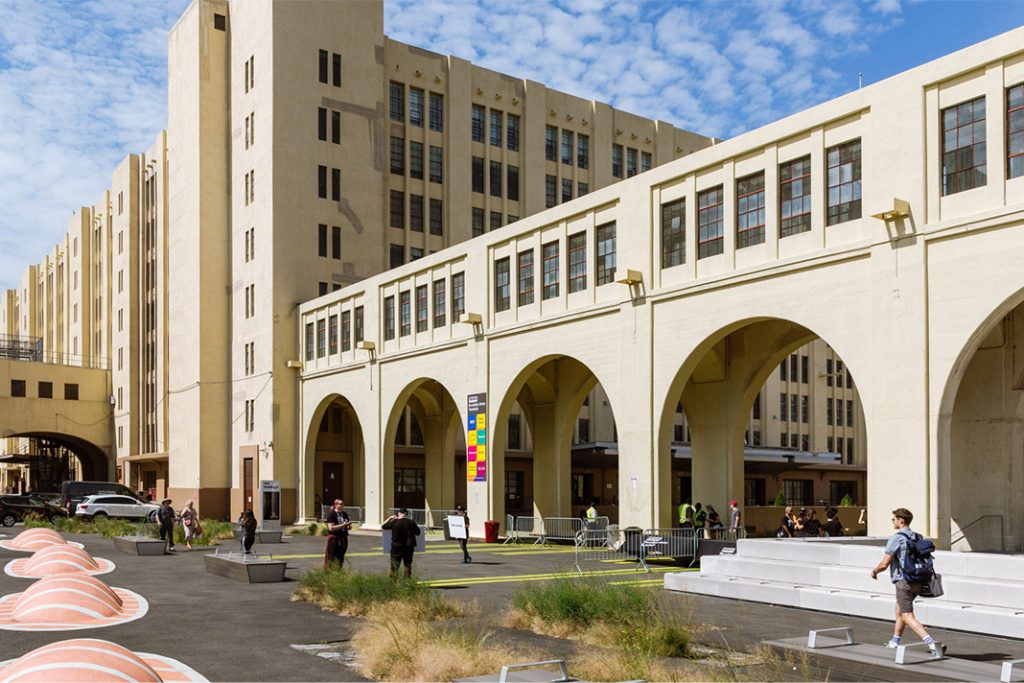
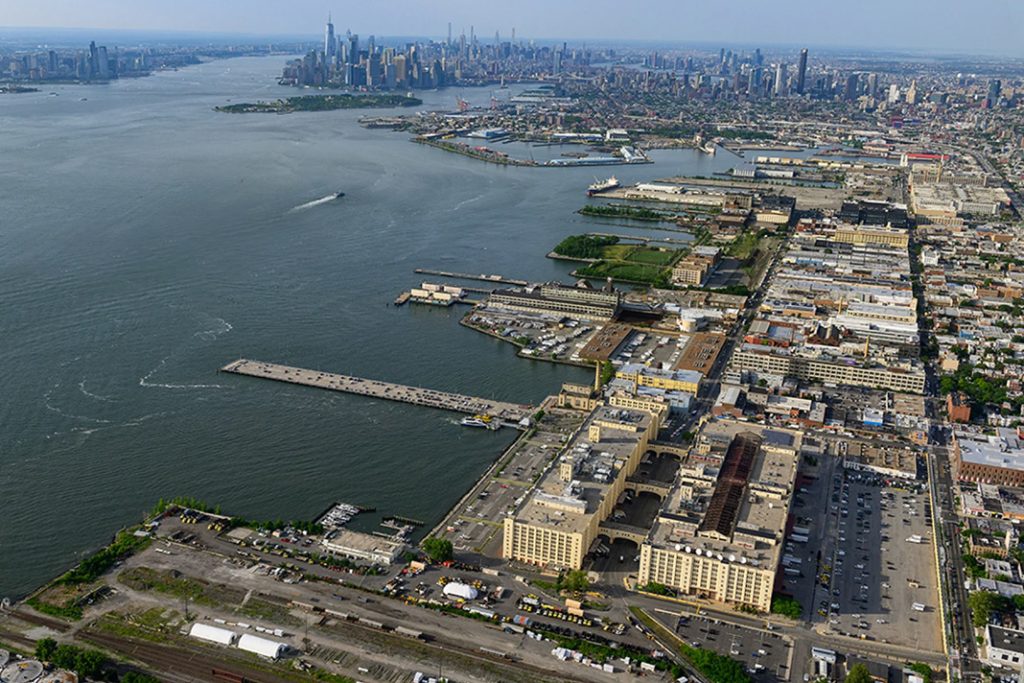
Brooklyn Army Terminal (BAT) began as a World War II-era military supply base. Today it is New York City’s largest publicly owned industrial campus, with 59 waterfront acres, more than 4 million square feet and over 100 businesses. In this episode of Industry Insights, Bridget Chansakul, Vice President of Leasing & Portfolio Management at NYCEDC, explains what space is available and what’s planned for the 250,000+ square feet of new industrial space in Building A. She also covers how the ferry, parking and on-site childcare help tenants hire and keep workers, along with workforce partnerships, City incentives for manufacturers and where BAT is headed next.
Get In Touch
Google news and SEO compliant, Industry Today’s state-of-the-art digital media platform offers bespoke media campaigns that target key decision makers and buyers to achieve your marketing and promotional goals.

Contribute
Showcase your brand and promote your business to our highly targeted audience. We offer detailed Google Analytics with measurable ROI to assure success. Submit your content for review by our Editorial team who will contact you to discuss the project further.
About Us
Reach Your Targeted Audience and Grow Your Business. Learn more About Industry Today.
Contact Us

© 2026 Industry today. All Rights reserved.