Discover how corporate fleet managers balance smart vehicle tech, ADAS recalibrations, and strict federal compliance rules.
Modern corporate fleet management stands at a fascinating crossroads where rapid technological innovation meets increasingly rigid operational boundaries. Organizations today are deploying connected, sensor-laden vehicles that can predict mechanical failures, optimize fuel efficiency, and automate safety interventions. Yet, this surge in automotive intelligence doesn’t grant unlimited operational freedom. Instead, fleet directors must balance cutting-edge telematics and advanced driver-assistance systems against tightening regulatory mandates, rising repair complexities, and strict human-factor limits. Successfully navigating this new landscape requires integrating smart hardware with disciplined compliance strategies so technology enhances, rather than complicates, daily commercial operations.
Today’s commercial vehicles operate essentially as rolling data centers, packed with cameras, radar, and LiDAR that continuously monitor road conditions and driver behavior. While these intelligent systems dramatically reduce collision rates and lower long-term insurance liabilities, they also transform routine maintenance into specialized technical procedures. A minor rock chip on a highway, once a quick and inexpensive glass swap, now triggers intricate electronic recalibration protocols. According to AutoBolt, nearly nine out of ten vehicles from the 2023 model year onward need sensor calibration after getting a new windshield. Missing these precise alignments can disable lane-keeping assist or automatic emergency braking, exposing companies to severe liability and sidelining critical assets for days instead of hours.
Even as vehicles grow smarter, human operators remain bound by non-negotiable federal safety standards designed to curb fatigue and prevent catastrophic accidents. Connected telematics and electronic logging devices have eliminated guesswork, automatically tracking every minute a commercial vehicle is in motion. According to federal service limitations, commercial operators are restricted to a maximum of 11 hours of driving within a 14-hour workday window. Dispatchers can no longer rely on informal schedule padding or off-the-clock loading to squeeze extra miles out of a route. Smart routing software must now factor in traffic bottlenecks, mandatory rest breaks, and dock delays in real time so drivers reach safe parking before their regulatory clock expires.
Adapting to these twin pressures of high-tech maintenance and strict federal oversight requires massive coordination across corporate supply chains, logistics networks, and enterprise mobility programs. Major industrial centers are leading this transformation by pairing legacy automotive expertise with modern software ecosystems. According to the Detroit Regional Chamber, half of Michigan’s 18 Fortune 500 enterprises are headquartered within the Detroit area. This dense concentration of major corporate headquarters and mobility innovators creates a powerful testing ground for next-generation fleet policies, where large-scale enterprises pioneer standardized telematics integration, predictive maintenance workflows, and unified compliance dashboards that smaller regional fleets eventually adopt.
To prevent operational bottlenecks, forward-thinking fleet managers are moving away from fragmented software tools toward unified command centers. Integrating fuel card records, repair shop diagnostics, hours-of-service logs, and dashcam analytics onto a single platform allows leaders to spot inefficiencies before they escalate into costly downtime. Predictive analytics can flag an aging battery or worn brake pad weeks in advance, enabling technicians to bundle repairs alongside necessary sensor calibrations. Simultaneously, automated compliance alerts empower dispatchers to reroute drivers dynamically, protecting both regulatory standing and employee retention in a competitive labor market.
Ultimately, thriving in the next era of corporate fleet management depends on harmonizing vehicle intelligence with disciplined operational governance. Advanced sensors, AI-driven telematics, and automated safety systems offer unprecedented visibility into asset health and roadway risk, yet their true value only emerges when paired with rigorous maintenance standards and respect for federal operating limits. Organizations that embrace unified data platforms, budget for specialized technical repairs, and prioritize realistic driver scheduling will turn regulatory constraints into competitive advantages. By treating smart vehicles and strict rules as complementary pillars rather than competing obstacles, modern fleets can achieve safer roads, predictable costs, and enduring resilience.
Forging the Next 250 Years: Powering the Next Era of American Manufacturing
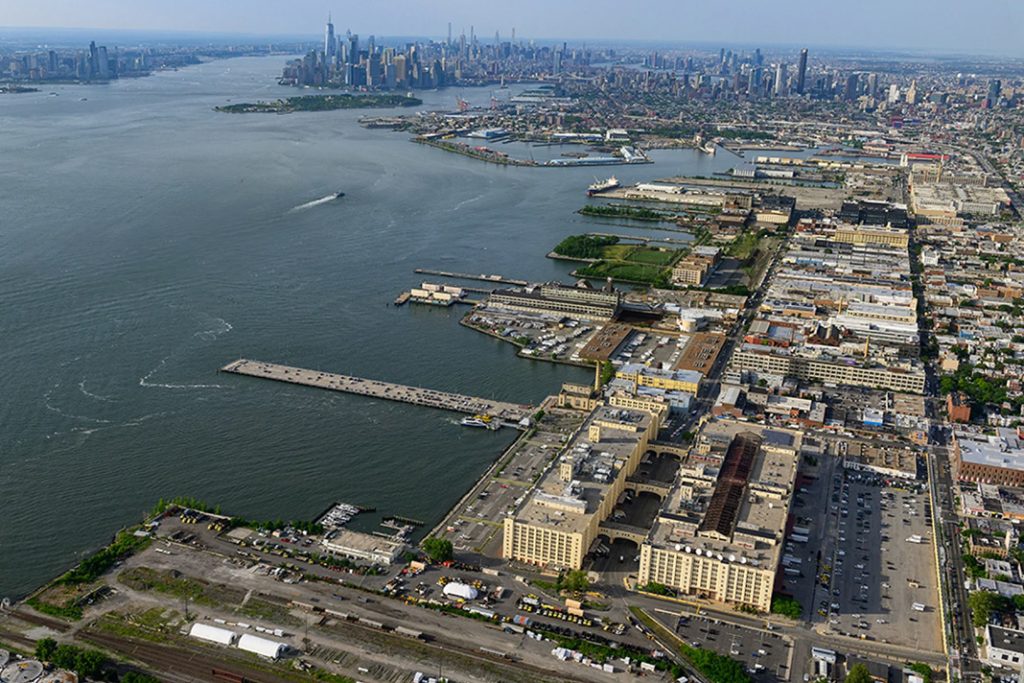
Brooklyn Army Terminal (BAT) began as a World War II-era military supply base. Today it is New York City’s largest publicly owned industrial campus, with 59 waterfront acres, more than 4 million square feet and over 100 businesses. In this episode of Industry Insights, Bridget Chansakul, Vice President of Leasing & Portfolio Management at NYCEDC, explains what space is available and what’s planned for the 250,000+ square feet of new industrial space in Building A. She also covers how the ferry, parking and on-site childcare help tenants hire and keep workers, along with workforce partnerships, City incentives for manufacturers and where BAT is headed next.
Get In Touch
Google news and SEO compliant, Industry Today’s state-of-the-art digital media platform offers bespoke media campaigns that target key decision makers and buyers to achieve your marketing and promotional goals.

Contribute
Showcase your brand and promote your business to our highly targeted audience. We offer detailed Google Analytics with measurable ROI to assure success. Submit your content for review by our Editorial team who will contact you to discuss the project further.
About Us
Reach Your Targeted Audience and Grow Your Business. Learn more About Industry Today.
Contact Us

© 2026 Industry today. All Rights reserved.