Incorrect freight classifications and inaccurate shipment dimensions can increase LTL shipping costs, making accurate measurements essential to controlling freight bills.
Most LTL overcharges start on the shipping dock and in the item master, not with the carrier.
Freight class runs from 50 to 500, and density now decides it for most freight. On July 19, 2025, the National Motor Freight Traffic Association moved roughly 2,000 commodity listings onto a single 13-tier density scale. Carriers check it with terminal dimensioners, so every inch on the bill of lading has a price. Four mistakes do most of the damage.
Many manufacturers set each product’s freight class years ago. If it came from the old commodity rules, the shipping system keeps printing it even though the item now rates by density. It is one of the quieter hidden costs of legacy ERP. The fix: export every SKU that ships LTL, recalculate its class from current packed dimensions and correct the ones that moved.
Carriers measure at the longest, widest and tallest points, overhang included. Take a 48-by-40-inch pallet loaded 50 inches high and weighing 560 pounds. Measured at the deck, it is 55.6 cubic feet at 10.1 pounds per cubic foot: class 92.5. Add two inches of carton overhang at each end and it becomes 52 inches long, 60.2 cubic feet and 9.3 pounds per cubic foot: class 100. A tighter case pattern, the same work behind smarter protective packaging, often pays for itself here.
A pallet nothing can ride on uses the trailer space above it, and carriers price that space. Some rules tariffs cube non-stackable freight at no less than 96 inches tall, however short the pallet is. A 40-inch unit rated as 96 inches loses more than half its density on paper. If a load can carry weight, pack it that way and say so on the bill of lading.
If one shipment of a SKU was misclassed, every other shipment of that SKU probably carries the same error, and shippers who spread freight across several carriers pay for it at each terminal that measures it. Log reclasses by SKU and fix the source data.
A free tool such as Emerge’s freight class calculator runs the math per pallet and shows the old and new scale side by side, so stale ERP classes stand out.
Freight class is decided before the truck arrives. Get the inches right and the invoice matches the quote.

Forging the Next 250 Years: Powering the Next Era of American Manufacturing
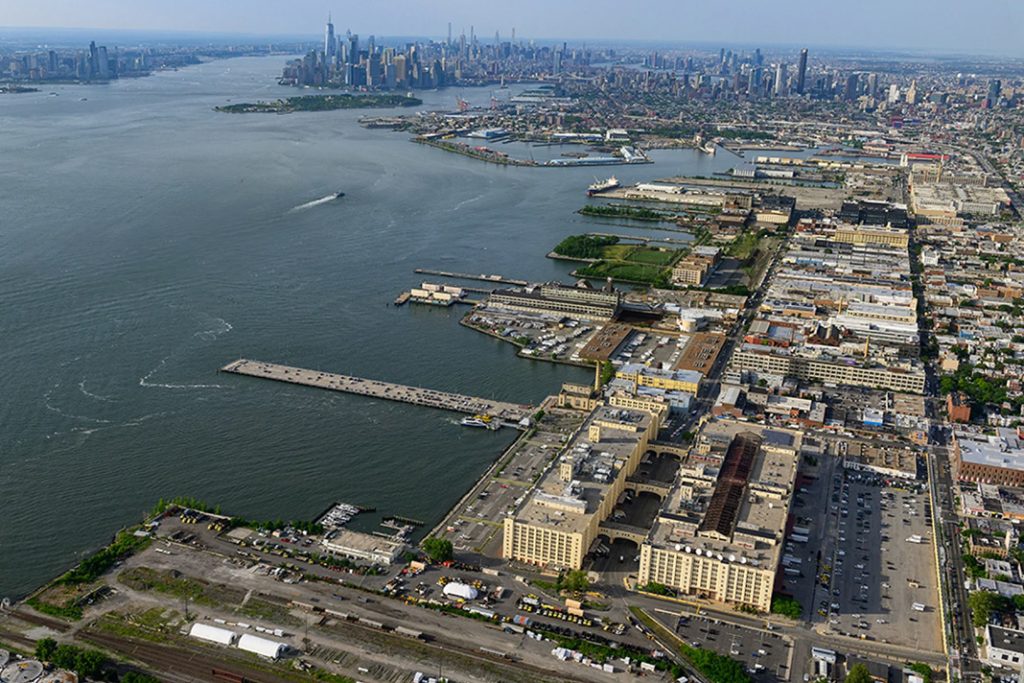
Brooklyn Army Terminal (BAT) began as a World War II-era military supply base. Today it is New York City’s largest publicly owned industrial campus, with 59 waterfront acres, more than 4 million square feet and over 100 businesses. In this episode of Industry Insights, Bridget Chansakul, Vice President of Leasing & Portfolio Management at NYCEDC, explains what space is available and what’s planned for the 250,000+ square feet of new industrial space in Building A. She also covers how the ferry, parking and on-site childcare help tenants hire and keep workers, along with workforce partnerships, City incentives for manufacturers and where BAT is headed next.
Get In Touch
Google news and SEO compliant, Industry Today’s state-of-the-art digital media platform offers bespoke media campaigns that target key decision makers and buyers to achieve your marketing and promotional goals.

Contribute
Showcase your brand and promote your business to our highly targeted audience. We offer detailed Google Analytics with measurable ROI to assure success. Submit your content for review by our Editorial team who will contact you to discuss the project further.
About Us
Reach Your Targeted Audience and Grow Your Business. Learn more About Industry Today.
Contact Us

© 2026 Industry today. All Rights reserved.