Can AI and digital tools help the skilled trades meet rising demand while preserving the expertise experienced workers bring to the field?
By Kyle Spencer, Director of NFPA LiNK, NFPA
Skilled labor shortages are often discussed in terms of people. How many workers are needed? How many positions remain open? How quickly can the industry bring new people into the trades?
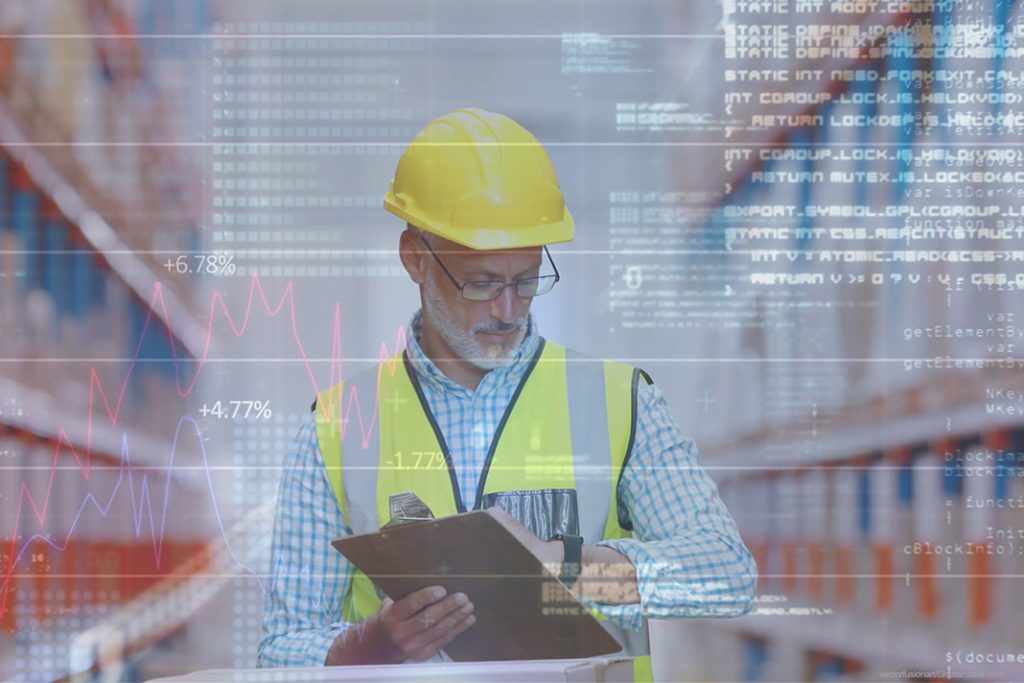
Those are fair questions to ask, but they ignore another critical aspect of labor shortages: knowledge. How do organizations ensure knowledge does not disappear every time a worker moves to another project, changes roles, or leaves the workforce? These questions are increasingly important to ask as AI construction demands put additional pressure on the skilled workforce, potentially pulling workers away from their current jobsites to support data center manufacturing and maintenance. Ironically, AI and other digital tools have emerged as a way for skilled workers to adapt to these changing demands while preserving knowledge and skill development.
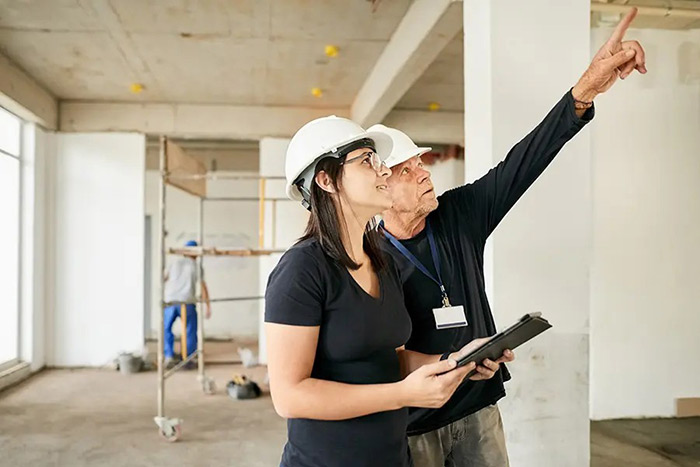
Recent data from the National Fire Protection Association® (NFPA®) found 88% of skilled trade professionals said demand for their work has increased over the past three years. More than one-third (36%) reported increased demand for labor services specifically related to AI infrastructure. That growth stretches beyond the data center boom and into the broader AI infrastructure push.
It’s unlikely that the demand for AI and its accompanying infrastructure will decrease anytime soon, which means organizations cannot rely on adding workers alone. Developing skilled professionals takes time, and the knowledge experienced workers have accumulated over years on the job cannot be transferred overnight. Organizations need technologies that support their current workforce while simultaneously supporting the development of the next generation.
In the era of AI, the challenge is not simply having enough people to complete the work. Supporting the AI boom requires deep proficiency in the technology being worked on, which means skilled workers need effortless access to the information that will help them be successful. Digital tools ensure that those workers can access the information they need but also understand how it applies to the task in front of them and how to carry what they learn from one job to the next.
As skilled trade professionals take on increased workloads, digital tools can:
It’s clear that digital tools are bridging the labor shortage gap, and many workers are already seeing the benefits of technology on the job. NFPA’s research found that 87% of respondents believe technology has made their jobs easier or significantly easier over the past five years. AI and automation were identified by 39% as the technologies having the greatest impact on their work, while 36% pointed to digital tools and software platforms.
While technology is becoming a critical aspect of filling skilled trade labor gaps and supporting efficient knowledge sharing, it’s important to call out the human expertise that remains irreplaceable. Decisions involving safety and code compliance depend on qualified professionals who understand the codes and standards behind them.
AI can help workers get relevant information faster, but professionals still need to review the source, determine how it applies, and use their own judgment to make the decision. Technology can support that expertise, but it cannot replace the knowledge to apply technical information in real-world situations.
Professional expertise remains essential, and training workers to use these tools needs to be part of technology adoption. Workers need to understand not only how to use digital and AI tools but also identify where these tools fit within their existing workflows.
As a result, training is just as important as the technology itself. NFPA found that 94% of respondents participate in at least one training or development program annually, with 37% participating in training at least monthly. As digital tools become a larger part of skilled work, organizations need to give professionals opportunities to understand how to use them effectively, where they can help, and where human expertise remains essential.
AI is creating new demand for skilled labor while actively changing how professionals access and work with information. The trades will always need qualified people to design, install, inspect, maintain, and operate increasingly complex systems. Technology cannot replace the experience and judgment those professionals bring to the job, but what it can do is reduce some of the work surrounding that expertise.
Reducing time spent searching for information, recreating previous research, or tracking down project context gives workers more time to focus on the work that requires their skills. Making trusted information easier to find, use, and carry forward can help skilled professionals keep working today while giving the workers coming behind them more to build on.
About the Author:
Kyle Spencer is the Director of NFPA LiNK® at the National Fire Protection Association (NFPA), where he oversees the strategic direction for the application and helps support ongoing development and content creation efforts. Spencer has spent over a decade working in the electrical products industry, learning from engineers and installers on how to make the products they use more efficient.
Read more from the author:
From Search to Action: Why Facility Professionals Need More Than Information Access | Facilities Management Advisor, September 25
4 ways to integrate tech in daily workflows | Construction Superintendent, July 23

Forging the Next 250 Years: Powering the Next Era of American Manufacturing
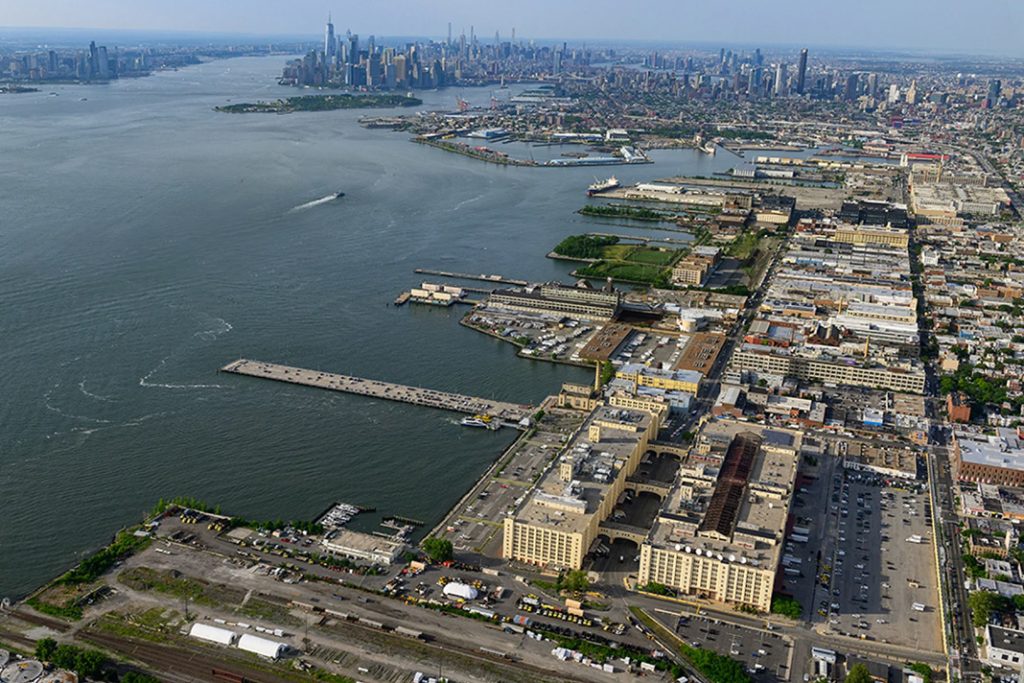
Brooklyn Army Terminal (BAT) began as a World War II-era military supply base. Today it is New York City’s largest publicly owned industrial campus, with 59 waterfront acres, more than 4 million square feet and over 100 businesses. In this episode of Industry Insights, Bridget Chansakul, Vice President of Leasing & Portfolio Management at NYCEDC, explains what space is available and what’s planned for the 250,000+ square feet of new industrial space in Building A. She also covers how the ferry, parking and on-site childcare help tenants hire and keep workers, along with workforce partnerships, City incentives for manufacturers and where BAT is headed next.
Get In Touch
Google news and SEO compliant, Industry Today’s state-of-the-art digital media platform offers bespoke media campaigns that target key decision makers and buyers to achieve your marketing and promotional goals.

Contribute
Showcase your brand and promote your business to our highly targeted audience. We offer detailed Google Analytics with measurable ROI to assure success. Submit your content for review by our Editorial team who will contact you to discuss the project further.
About Us
Reach Your Targeted Audience and Grow Your Business. Learn more About Industry Today.
Contact Us

© 2026 Industry today. All Rights reserved.