Why manufacturing boards are paying close attention to workforce risk.
For a manufacturing company, workforce issues can quickly become operational issues. A shortage of skilled workers can delay production, while high turnover can leave experienced teams stretched and increase training costs. At the same time, regulators, investors, customers, and employees expect manufacturers to manage workplace risks responsibly. These pressures have made workforce strategy a board-level concern rather than something that sits solely with HR. If you oversee a manufacturing business, you need a clear view of how labor conditions could affect production, compliance, financial performance, and your company’s standing with customers and employees.
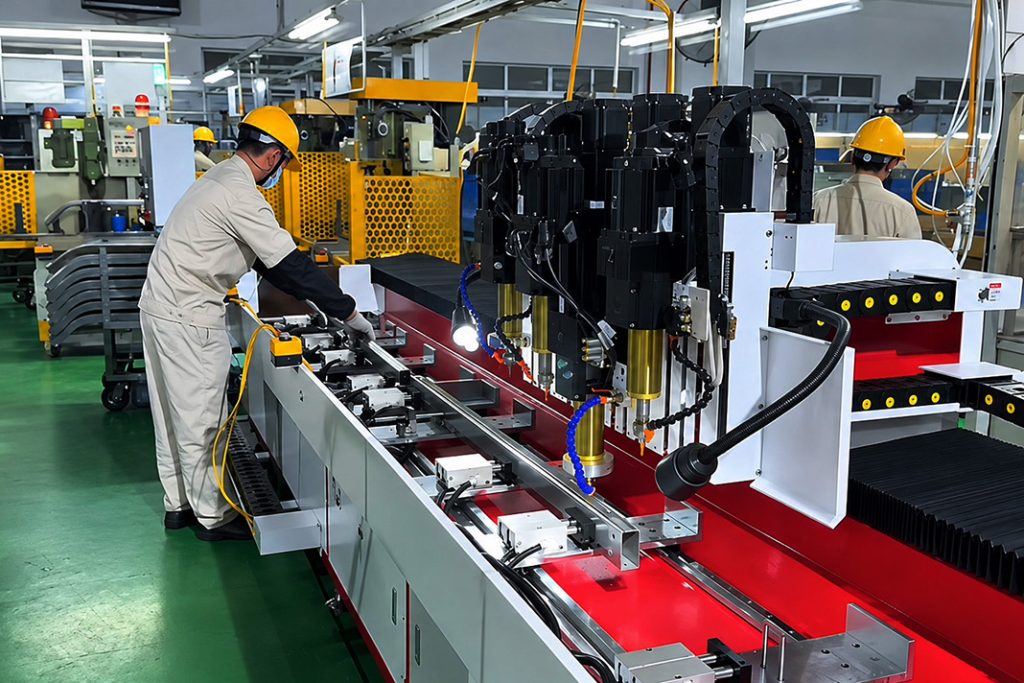
Manufacturers often depend on employees with specialized technical skills, from machinists and maintenance technicians to engineers and experienced production supervisors. When you cannot fill those roles, you may need to run shifts with fewer people, pay overtime, delay orders, or turn away new work. Retention presents a related challenge. Losing an experienced technician does more than create an open position. Your remaining employees may need to cover the workload while a replacement learns the equipment, processes, and safety requirements. Track turnover by facility, role, shift, and length of service so you can identify where departures create the greatest operational exposure.
Your workforce also creates legal and regulatory risks that can reach the boardroom. Wage and hour requirements, workplace safety rules, leave obligations, employment discrimination laws, and state-specific requirements can all affect manufacturing operations. Do not wait for a complaint or government investigation to reveal a weakness in your practices. Ask your HR and compliance teams to identify the employment laws that apply to each facility, review recent regulatory changes, and document how managers handle higher-risk issues. Bringing in employment lawyers can help you test whether your policies match the way supervisors actually manage employees on the factory floor.
A strong safety record and reliable employee relations can support productivity because employees are more likely to report hazards, raise concerns, and stay engaged when they trust management. Conversely, unresolved complaints, inconsistent discipline, or poor communication can lead to grievances, organizing activity, turnover, or negative attention. Your board should therefore ask management how employees raise concerns and how quickly leaders investigate them. Review patterns rather than focusing only on individual incidents. For example, repeated complaints about one supervisor may indicate a management problem that could eventually affect retention or safety.
You should treat workforce data as an operational indicator rather than an HR report. Monitor vacancies in critical roles, voluntary turnover, overtime, absenteeism, safety incidents, employee complaints, training completion, and labor costs alongside production metrics. Pay particular attention when several indicators move together. Rising overtime combined with higher absenteeism and turnover at one plant, for example, may signal that staffing pressure has started to affect the workforce before production numbers show a problem. The most useful board discussions connect these trends to specific business consequences. When you can see where workforce pressure threatens production capacity, compliance, or customer commitments, you can act earlier and make better-informed decisions about hiring, training, technology, and management resources.

Forging the Next 250 Years: Powering the Next Era of American Manufacturing
As manufacturers offer more customization than ever before, managing product complexity has become a critical challenge. Tune in with Dan Joe Barry, Vice President of Product Marketing at Configit, who explores how companies are tackling the growing number of product configurations across engineering, sales, manufacturing, and service. He explains how Configuration Lifecycle Management (CLM) helps organizations maintain a single source of truth for configuration data. The result: fewer errors, faster quoting, and the ability to deliver customized products at scale.
Get In Touch
Google news and SEO compliant, Industry Today’s state-of-the-art digital media platform offers bespoke media campaigns that target key decision makers and buyers to achieve your marketing and promotional goals.

Contribute
Showcase your brand and promote your business to our highly targeted audience. We offer detailed Google Analytics with measurable ROI to assure success. Submit your content for review by our Editorial team who will contact you to discuss the project further.
About Us
Reach Your Targeted Audience and Grow Your Business. Learn more About Industry Today.
Contact Us

© 2026 Industry today. All Rights reserved.