How does advanced cooling technology protect modern manufacturing plants, equipment, operations, and workers from costly heat-related risks?
by Richard Halsall
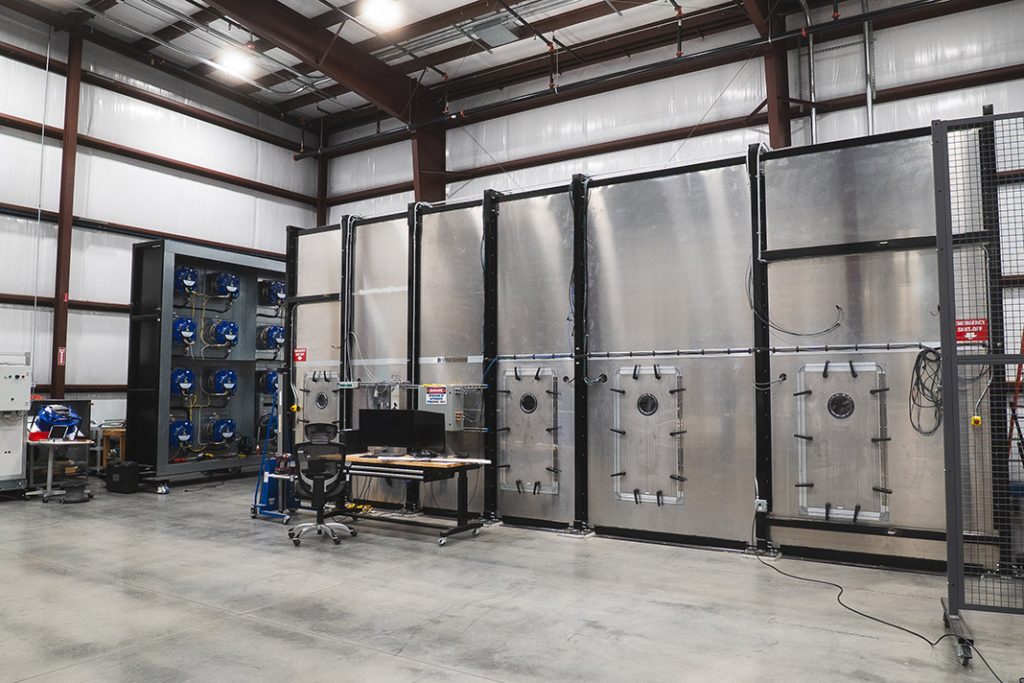
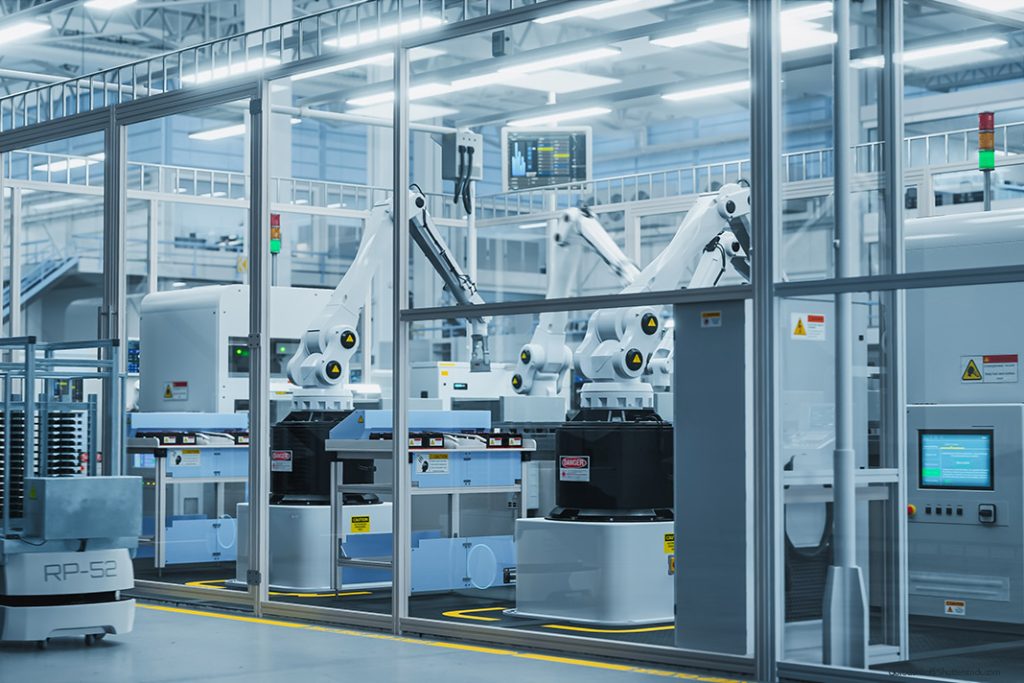
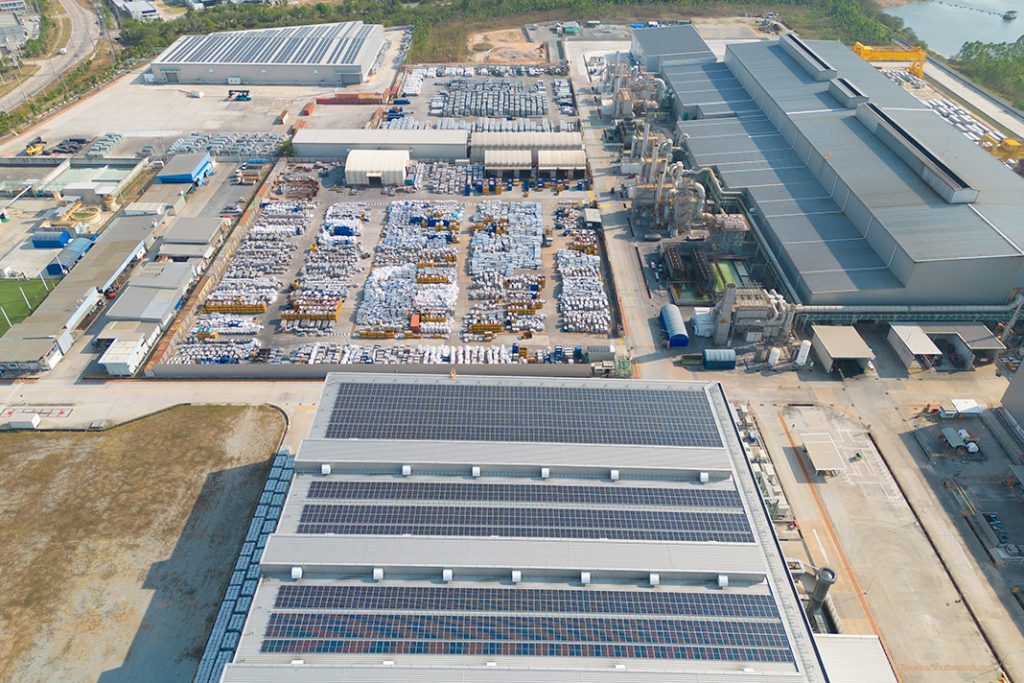
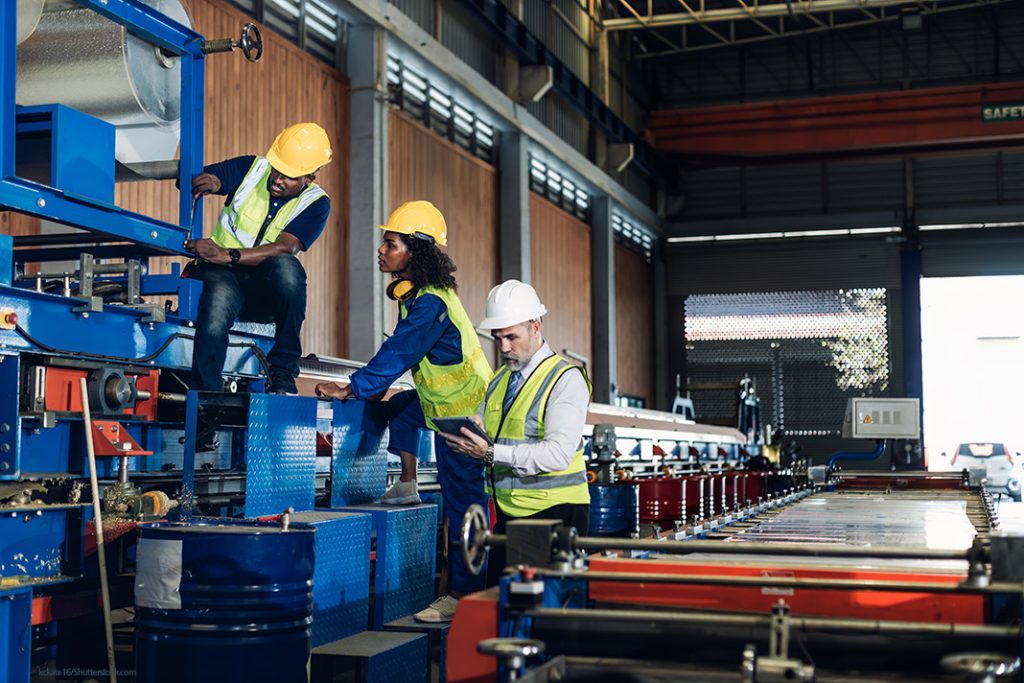
Manufacturing plants rely on sensitive equipment for effective operations. The latest cooling technologies play a key role in preventing breakdowns and protecting worker well-being. Modern systems directly protect critical processes as well as ensuring production keeps on track.
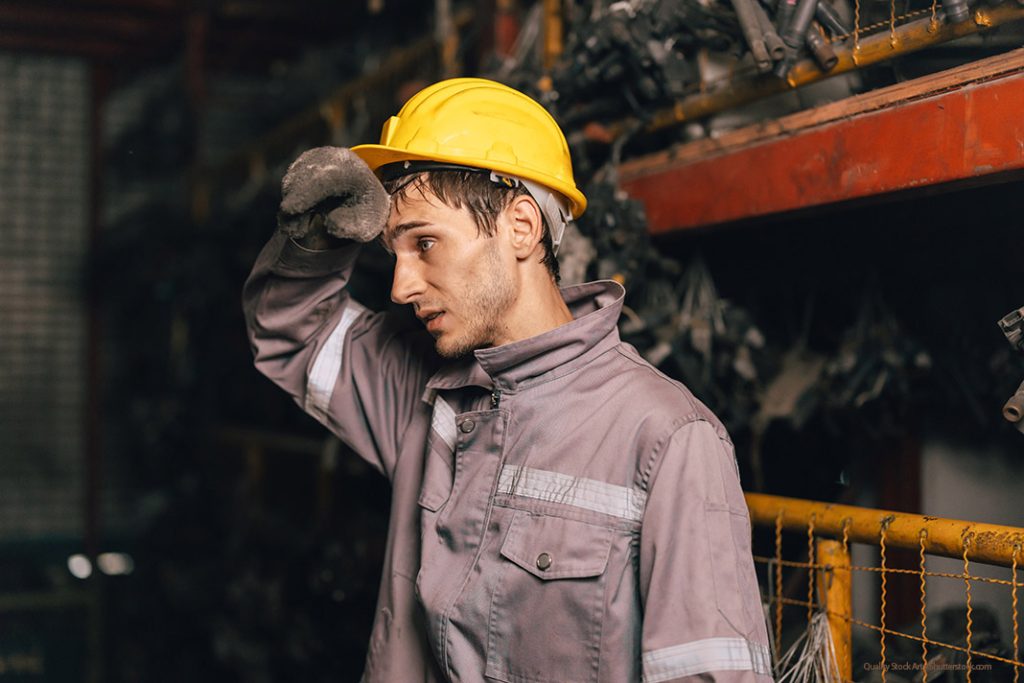
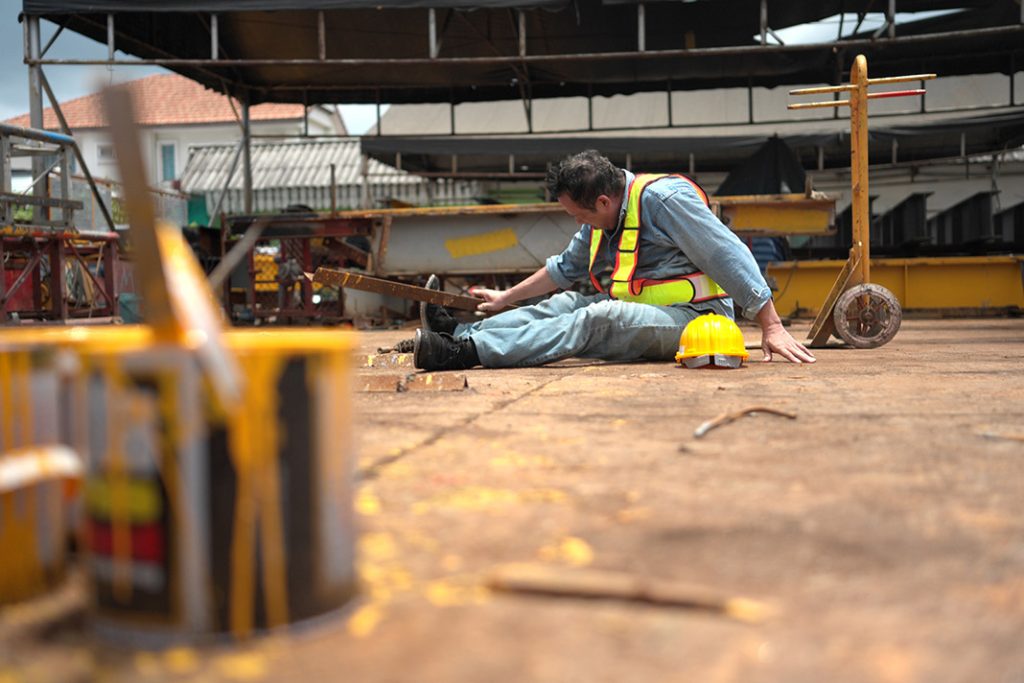
Manufacturing environments are filled with incredibly sensitive machinery. Even just a short equipment disruption can cause serious downtime thus leading to delays in production – even financial losses. From a worker’s perspective, heat can make large spaces uncomfortable and unsafe, increasing the chance of errors and health issues.
The U.S. Department of Energy echoes this sentiment, reporting that around 40% of energy use in manufacturing is associated with maintaining optimal temperatures for machinery (DOE, 2025). If not kept in check, the risks are serious: equipment lifespan shortens, product quality declines, and worker discomfort increases.
Downtime resulting from heat stress on equipment can cost manufacturers thousands of dollars per hour. A great example is in automotive assembly lines – a sudden breakdown of sensitive robotics can stop an entire production chain, which can result in missed deadlines. In the pharma world, even brief temperature changes can ruin entire batches of product. This can lead to serious regulatory issues – even lost revenue.

Today’s cooling systems go beyond basic air conditioning technology that manufacturers have come to know so well.
Thermal de-stratification is a standout approach that mixes temperature layers by circulating air from floor to ceiling. Through this approach, manufacturers can then achieve more uniform temperatures, reduce hot and cold spots, and significantly improve both equipment protection and employee comfort. What’s more, studies show implementing thermal de-stratification can reduce energy usage by up to 20% in industrial environments (Carbon Trust, “Thermal De-stratification in Industrial Buildings,” 2025).
“Efficient cooling systems are critical to maintaining operational continuity and protecting sensitive equipment in modern industrial environments. Facilities that invest in advanced cooling solutions see measurable improvements in uptime, energy efficiency, and employee safety.”
— Henrique Cecci, Senior Director Analyst, Gartner (Gartner, “Best Practices for Addressing Data Center Thermal Challenges and Cooling Needs,” July 2023)
Many of today’s cooling systems feature internet-connected sensors that enable remote monitoring. Maintenance teams then receive alerts when a unit needs maintenance so they can resolve issues swiftly before any failures result. Predictive maintenance uses historical data to forecast when equipment might overheat or demand servicing, thereby increasing reliability while reducing downtime.
A well-known electronics manufacturer in Texas was concerned about the longevity of its equipment and installed a smart cooling network. This decision ultimately reduced equipment downtime by 30% and improved employee satisfaction within just the first year (Manufacturing Today, 2026).
A German pharma company struggled with losses due to inadequate cooling in its cleanrooms. Luckily, operations was able to upgrade to a zoned, sensor-driven system, reducing product quality issues by 80%. Energy costs also declined by 15% annually (European Journal of Industrial Engineering, Vol. 18, No. 3, 2026).
It’s becoming more and more clear that modern cooling systems protect both people and machines: When machinery operates within ideal temperatures, it performs better and lasts longer. For employees, a comfortable environment means fewer mistakes, less fatigue, and improved morale – important to overall success.
The National Institute for Occupational Safety and Health (NIOSH) reported workers exposed to high temperatures are at an increased risk of accidents due to impaired cognition and slower reaction times (NIOSH, 2024). By maintaining safe temperatures, worker injury risk and costly compensation claims reduced.
Energy efficiency is also critical. Automated systems can dramatically reduce waste, cut CO2 emissions, and help hit eco-friendly targets. In a 2025 survey by Plant Engineering, over 60% of manufacturers cited energy savings and sustainability compliance as main drivers for upgrading cooling technology (Plant Engineering, 2025).
Cooling prevents equipment failure, maintains product quality, and ensures worker safety – three pillars of manufacturing success. Heat can cause sensitive electronics to malfunction or permanently degrade, and can reduce the efficacy of industrial lubricants, leading to premature wear.
Priorities should be on systems that provide immediate monitoring, adaptive control, and the ability to target high-sensitivity zones. Assess system scalability and their compatibility with existing automation infrastructure, as well as look at energy efficiency ratings and support for anticipatory maintenance.
There are quite a few, with electronics, pharmaceuticals, food processing, and automotive manufacturing particularly vulnerable. Heat in food processing can lead to deterioration and food safety violations, and in electronics, microchip and battery manufacturing require strict temperature control to avoid defects.
Measurement is best based on reductions in downtime, costs of maintenance, worker absenteeism, and energy consumption after implementation. Many companies also monitor improvements in product quality and conformity with regulations.
Through the use of eco-friendly refrigerants and advanced controls to reduce greenhouse gas emissions, manufacturers can reduce their carbon footprint, which supports larger sustainability goals.
In addition to comfort, modern cooling technology improves uptime and safeguards product quality. These systems help control utility costs and can even lower insurance costs and streamline regulatory compliance (U.S. Department of Energy, 2025; Plant Engineering, 2025; Zurich Insurance Manufacturing Risk Report, 2025).
Modern cooling systems are very important in protecting sensitive equipment and plant workers. It’s not just about comfort – advanced cooling systems drive uptime, quality, and operational excellence, making them a strategic investment for the future of manufacturing. The industry is addressing this need; however, broader integration of airflow techniques remains an element that is significant. Addressing this feature will allow the industry to obtain the most from the investments made in cooling HVAC systems.
About the Author:
Richard Halsall is CEO of Exhale Fans.
Forging the Next 250 Years: Powering the Next Era of American Manufacturing
As manufacturers offer more customization than ever before, managing product complexity has become a critical challenge. Tune in with Dan Joe Barry, Vice President of Product Marketing at Configit, who explores how companies are tackling the growing number of product configurations across engineering, sales, manufacturing, and service. He explains how Configuration Lifecycle Management (CLM) helps organizations maintain a single source of truth for configuration data. The result: fewer errors, faster quoting, and the ability to deliver customized products at scale.
Get In Touch
Google news and SEO compliant, Industry Today’s state-of-the-art digital media platform offers bespoke media campaigns that target key decision makers and buyers to achieve your marketing and promotional goals.

Contribute
Showcase your brand and promote your business to our highly targeted audience. We offer detailed Google Analytics with measurable ROI to assure success. Submit your content for review by our Editorial team who will contact you to discuss the project further.
About Us
Reach Your Targeted Audience and Grow Your Business. Learn more About Industry Today.
Contact Us

© 2026 Industry today. All Rights reserved.