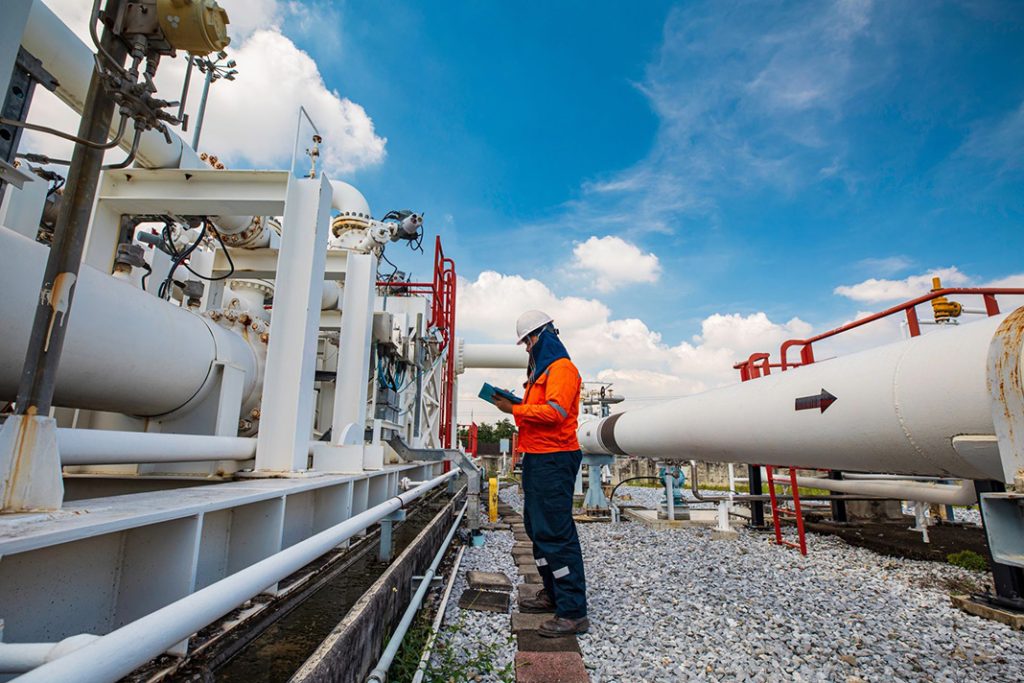
AttaBox® Enclosures, the leading provider of polycarbonate enclosure solutions now features highly durable mounting flanges as an option.
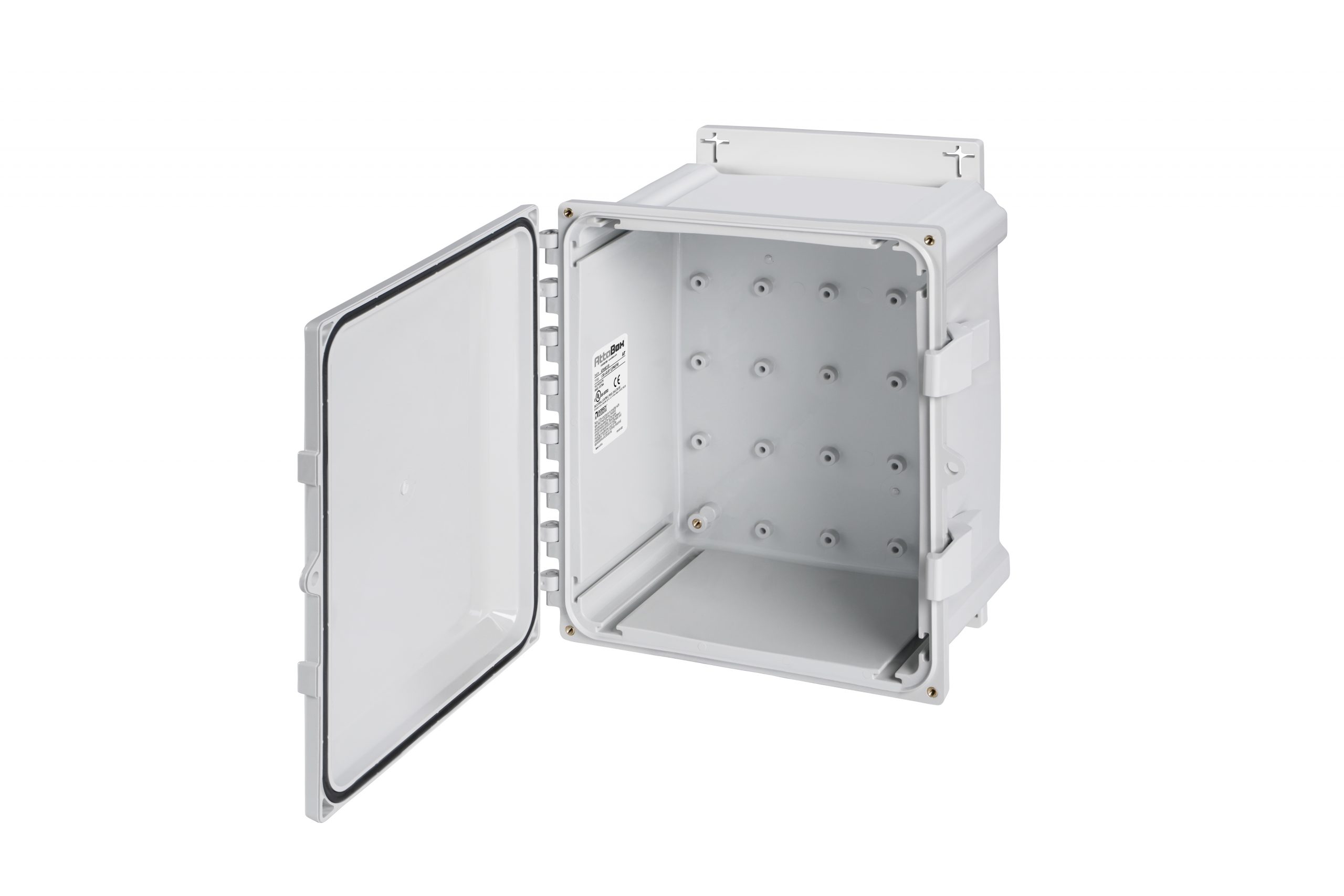
Belding, Michigan – AttaBox® Enclosures, the leading provider of polycarbonate enclosure solutions now features new, highly durable mounting flanges as an option versus traditional mounting feet.
These full flanges are available together with AttaBox polycarbonate enclosures or as an accessory kit. They are compatible with wide-ranging surfaces and can be used with other mounting hardware such as channel or pole mount kits.
An innovative, water-shedding design prevents water accumulation while also providing installation flexibility via a mounting cross that enables multiple screw positions. These attributes make AttaBox flanges ideal for diverse electrical, oil and gas, manufacturing, security, communications, and measuring and monitoring applications. Users can easily acquire the new flanges by ordering newly created standard enclosure catalog numbers including the flange, or as an accessory kit.
The new AttaBox mounting flanges for polycarbonate enclosures are part of many other Heartland™ series product innovations including the panel management system, combination screw and hinged covers, non-metallic or stainless steel latches, DIN rail mounting boxes and kits, side panels, and weight distribution shelves.
AttaBox® Enclosures, a Robroy Industries® brand and manufacturer of high-performing non-metallic electrical and industrial enclosures, provides nearly seven decades of reliable service to diverse industries and leads the way in providing application-specific solutions for applications within continuously demanding environments.
For more information: 616-794-0700, or visit: www.attabox.com

Forging the Next 250 Years: Powering the Next Era of American Manufacturing
In this episode of Industry Insights, Ricky Watts, General Manager, Industrial and Robotics Division at Intel Corporation, explains why the Industry 4.0 groundwork manufacturers have been laying for years is now the foundation for AI at scale. He describes how IT and OT systems are finally coming together, and how agentic AI can pull data from the plant floor, the supply chain and the C-suite to find out why a production line is underperforming. Watts also covers why chips have become strategic infrastructure, the rise of physical AI and robotics in harsh industrial settings, and the skills tomorrow’s workforce will need. He finishes with a layered approach to cybersecurity in software-defined plants.
Get In Touch
Google news and SEO compliant, Industry Today’s state-of-the-art digital media platform offers bespoke media campaigns that target key decision makers and buyers to achieve your marketing and promotional goals.

Contribute
Showcase your brand and promote your business to our highly targeted audience. We offer detailed Google Analytics with measurable ROI to assure success. Submit your content for review by our Editorial team who will contact you to discuss the project further.
About Us
Reach Your Targeted Audience and Grow Your Business. Learn more About Industry Today.
Contact Us

© 2026 Industry today. All Rights reserved.