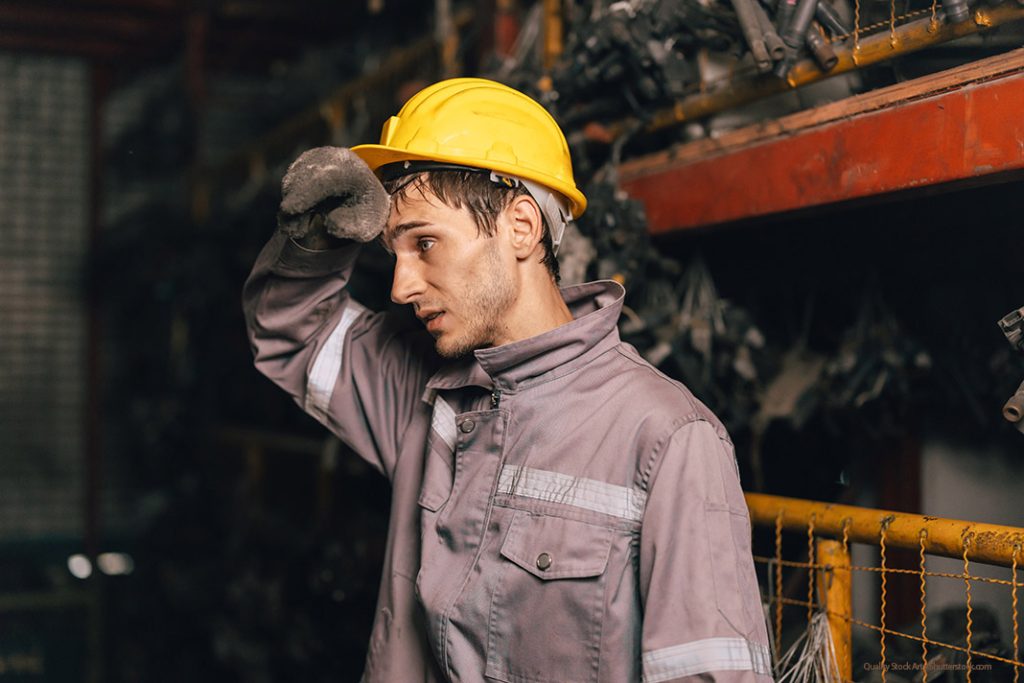
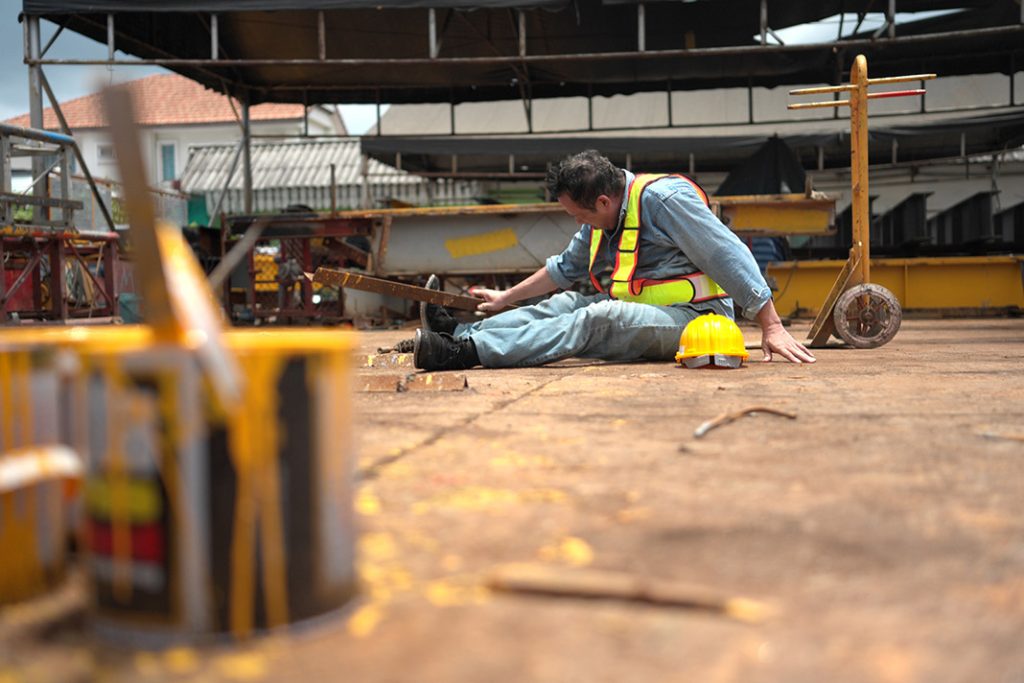
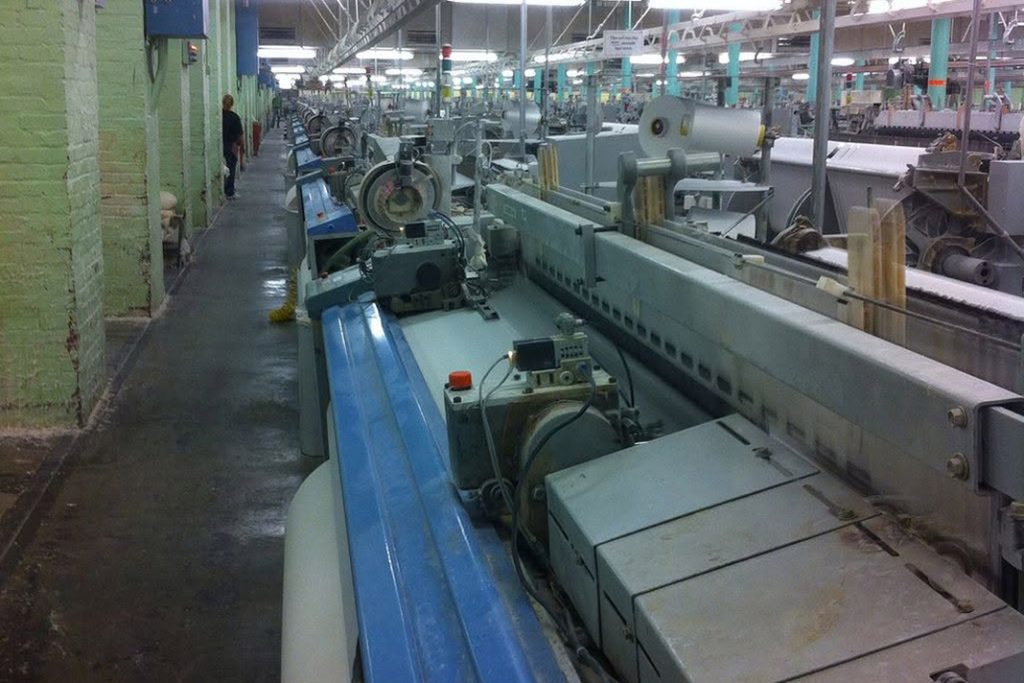
Don’t wait for passage of federal OSHA’s proposed heat rule to start protecting workers from the heat and heat-related illnesses.
By Felicia Watson and Pete Vassalo
The process of promulgating a federal law takes years, but your workers need protection today. Learn how to help keep your workers safe from the sun and heat now, so that they aren’t suffering—and you’re not at increased risk—in the interim.
Even as fall begins to set in and most of the country is seeing cooler outdoor temperatures, OSHA’s proposed heat illness protection standard remains top of mind.
The Occupational Safety and Health Administration (OSHA) first published an advance notice of proposed rulemaking in 2021, https://www.regulations.gov/docket/OSHA-2021-0009, seeking public input on heat injury and illness in outdoor and indoor workplaces. Five years on, OSHA has issued a proposed rule, collected numerous comments, held informal public hearings with more than two weeks of testimony, and received additional submissions from various groups following those hearings. All in all, the documents in OSHA’s regulatory docket encompass more than 24,000 submissions.
Many wonder why it’s taking so long for the federal government to act, particularly since OSHA considers heat injury and illness a recognized workplace hazard. The answer to that question is not an easy one. Not only does OSHA have numerous legal requirements in its rulemaking process that go above and beyond typical Administrative Procedure Act provisions, but it also has ongoing internal staffing challenges that can serve to prolong the process. Despite these barriers, OSHA’s political leadership has publicly stated that finalizing a heat standard prior to the end of the Trump administration is an agency priority and appears on the current OSHA Regulatory Agenda. Agency Rule List – 2026 . However, as 2026 draws to a close, the current OSHA leadership is running out of time to finalize a rule during this administration. As there will be new leadership in 2029 regardless of the outcome of the 2028 elections to ensure that a new rule will stick, OSHA will need to have something out by mid-2028 to ensure that any new standard is not stricken by Congress under the Congressional Review Act.
Rather than waiting for OSHA to issue a final rule, employers should be taking proactive steps to implement policies and procedures that educate workers on how to recognize and mitigate heat-related hazards. Indeed, OSHA has the ability, confirmed by the courts, to enforce the General Duty Clause for heat hazards and continues to do so pursuant to its current National Emphasis Program (NEP) for Outdoor and Indoor Heat-Related Hazards. CPL 03-00-024 NEP – Outdoor and Indoor Heat-Related Hazards. In April, OSHA updated and extended the NEP an additional five years; it also provided a roadmap for how OSHA will conduct an inspection related to heat hazards.
Even though seasonal cooler temperatures would mitigate the need for a robust heat program in the short term, in many locations heat hazards are a factor year-round and in the rest of the country, warmer temperatures are guaranteed to return in the not-so-distant future. In fact, the cooler months of the year will give employers the opportunity to develop and train on protective measures so they will be in place when hot temperatures inevitably return. Employers should consider the following tips to discover and manage potential heat hazards at their workplaces, starting today.
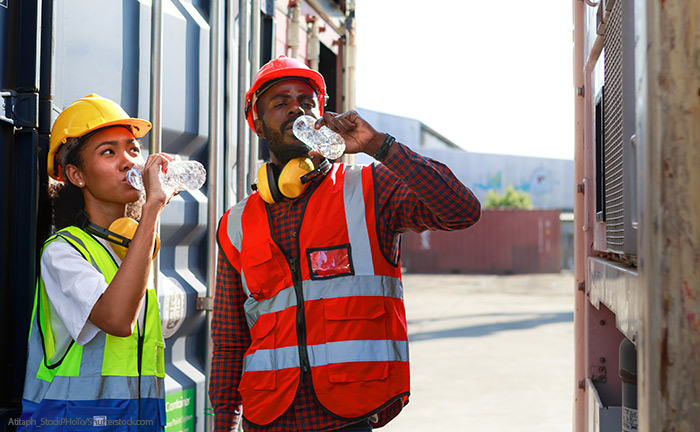
In addition, employers can review the guidance currently available from federal OSHA Heat – Overview: Working in Outdoor and Indoor Heat Environments | Occupational Safety and Health Administration as well as from the Centers for Disease Control and Prevention and the National Institute for Occupational Safety and Health (NIOSH). Heat Stress and Workers | Heat Stress | CDC. OSHA and NIOSH have also developed a Heat Safety Tool OSHA NIOSH Heat Safety Tool – Heat.gov that companies can use when they are planning outdoor work activities.
Aside from federal OSHA compliance obligations, several states with their own OSHA-approved state plans have implemented regulations for heat injury and illness procedures, including having a written plan for water, rest breaks, shade, acclimatization for new and returning workers, and training requirements. For companies with operations in multiple states, safety policies need to stay abreast of the different requirements that may apply. For example, California, Oregon, Washington, Maryland, Minnesota, Colorado and Nevada have specific requirements depending on the type of work location (e.g., indoor, outdoor, both and agriculture only). In addition, other state and local governments, such as New York City, are actively considering legislation addressing heat hazards to bridge the regulatory gap that currently exists prior to OSHA’s finalization of a heat standard. There are widely recognized steps, including those above, that employers and employees can take now to help keep workers safe. By being proactive and educating themselves and their employees, companies can better understand and mitigate the heat-related illness risks their employees may encounter during the summer months, or anytime they’re working in the heat.
About the Authors:

Peter Vassalo is a Senior Counsel with Littler Mendelson, PC’s Washington DC Office where he counsels employers in all aspects of OSHA compliance as well as assisting in navigating and OSHA complaints and inspections and resolving any subsequent OSHA citations. Prior to joining Littler, Peter served for 27 years as an attorney with the Department of Labor Office of the Solicitor, where he served as OSHA’s primary enforcement attorney as Counsel for Special Litigation. Peter Vassalo | Littler

Felicia Watson is a Senior Counsel with Littler Mendelson, PC’s Washington DC Office where she counsels employers in all aspects of OSHA compliance including developing regulatory policy, responding to OSHA complaints, inspections, and subsequent enforcement actions. Prior to joining Littler, Felicia served as an Assistant Vice President with the National Association of Home Builders where she worked on a variety of legal issues including workplace safety, construction liability, preparing regulatory comments, and international trade matters affecting residential construction. Felicia Watson | Littler
Forging the Next 250 Years: Powering the Next Era of American Manufacturing
As manufacturers offer more customization than ever before, managing product complexity has become a critical challenge. Tune in with Dan Joe Barry, Vice President of Product Marketing at Configit, who explores how companies are tackling the growing number of product configurations across engineering, sales, manufacturing, and service. He explains how Configuration Lifecycle Management (CLM) helps organizations maintain a single source of truth for configuration data. The result: fewer errors, faster quoting, and the ability to deliver customized products at scale.
Get In Touch
Google news and SEO compliant, Industry Today’s state-of-the-art digital media platform offers bespoke media campaigns that target key decision makers and buyers to achieve your marketing and promotional goals.

Contribute
Showcase your brand and promote your business to our highly targeted audience. We offer detailed Google Analytics with measurable ROI to assure success. Submit your content for review by our Editorial team who will contact you to discuss the project further.
About Us
Reach Your Targeted Audience and Grow Your Business. Learn more About Industry Today.
Contact Us

© 2026 Industry today. All Rights reserved.