A review of the five workflow problems mesh stillages help solve.
The right container can make a real difference to how a site runs. It affects how easily goods are seen, stacked, checked and moved from one stage to the next.
Five common workflow problems in manufacturing and warehousing are worth a closer look, from work in progress going missing between stations to the cost of sending empty containers back. Each one comes with a look at how stillages with wire mesh sides can help. The last section covers where they aren’t the right fit, so you can decide where they’d work in your own operation.
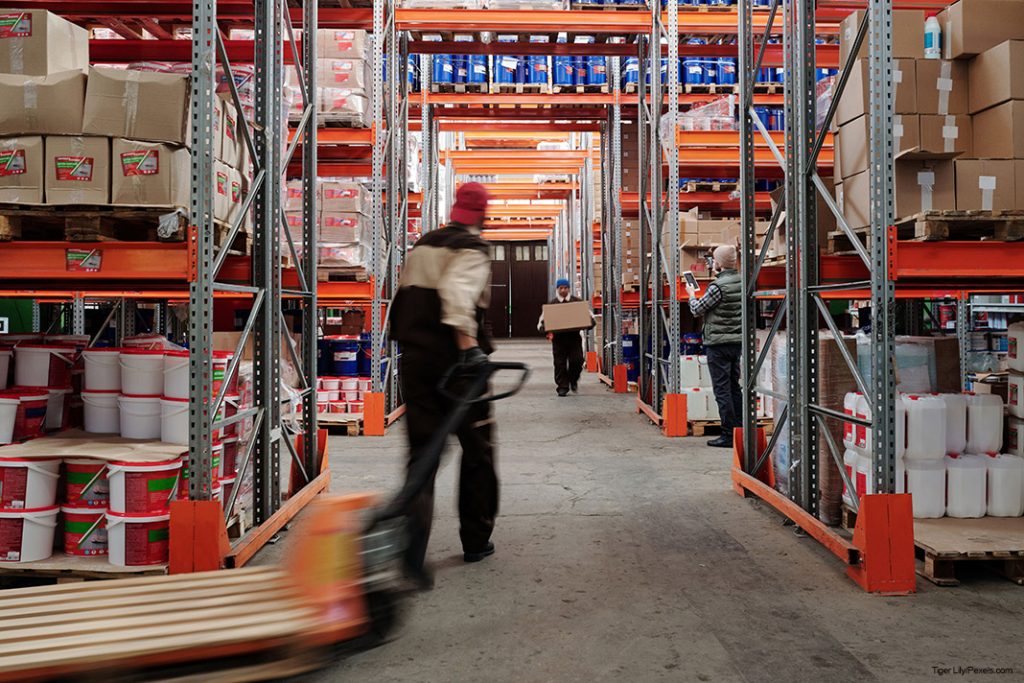
Without a consistent container system, half-finished parts can end up wherever there’s room. They get set aside, and sometimes the only way to find out what’s in them is to unload the lot.
This is where mesh sides help. You can see straight in without opening or unpacking anything, so operators can keep an eye on fill levels while they work and supervisors can spot where stock is piling up between stages.
Kitting gets the same benefit. A picker can give a kit a quick visual check before it goes to the line. And if your team already runs visual management, a row of mesh stillages between stages works a bit like a progress board. One you can move with a forklift.
You wouldn’t use the same tool for every job in the workshop. So why expect one container to handle every load? Mesh stillages come in a few different formats, and picking the right one matters.
Full-height cages give you more containment, which helps with larger volumes or loose items on a forklift. If people are picking by hand, half-height units are easier to reach into. Then it’s a question of how often the cage sits empty. Collapsible models fold away when you don’t need them; fixed-frame cages stay assembled and ready to load. Whichever you go with, a drop-down gate means staff can still load or unload a cage with another one stacked on top.
Finish is the last piece. In damp, outdoor or wash-down areas, galvanised steel is the safer bet, since it resists rust better than untreated steel. Indoors, where it’s dry, powder coating is a common choice. Comparing a full range of mesh stillages side by side (heights, gate options, finishes, rated loads) makes it easier to match each cage to the work it’ll actually be doing.
Outbound areas can fill up fast. An order sits waiting on one last item. Cartons shift on an open pallet after picking. When that happens, checks slow down and goods can end up being handled more than once.
Giving each order or delivery run its own mesh stillage keeps things contained. Pickers can see what’s already been loaded, and the person doing the final check can confirm the load through the mesh without unpacking a thing. Because the sides hold everything in place, cartons are less likely to slide off when the forklift moves them.
That’s good for safety, not just efficiency. Falling objects are a recognised hazard in materials handling.
Running short on floor space? Before you add racking or start looking for a bigger site, look up. Is the vertical space being used?
Stackable mesh stillages usually have feet or corner locators that seat each unit on the one below. One footprint becomes several storage positions, no fixed racking required, and the layout can shift as stock levels change. Choose units with drop-down gates and the lower cages stay accessible. Stacking doesn’t have to mean digging.
One rule doesn’t bend. Stick to the manufacturer’s stacking limit and rated load for each cage, and only stack on a level, sound floor.
If you run returnable packaging loops, getting the empties back costs money too. A fixed-frame cage takes up the same room on a truck whether it’s full or empty.
Collapsible mesh stillages get around that. They fold down to a fraction of their working height, so more empties fit on a return trip and they take up less room in the warehouse between uses. For businesses moving parts between sites, or running returnable loops with suppliers, that can cut return freight volume and free up storage space.
Fixed cages still make sense for permanent storage positions. For anything that travels, collapsible is worth a look.
Mesh isn’t right for everything, and it’s better to know that before you buy. Small parts like fasteners or fittings can slip straight through the openings. If dust and debris are a concern, solid sides give better protection. And loose granular material? That needs solid sides or a liner to stay put. In any of those cases, go with a solid-sided stillage or a lined cage.
Wondering where mesh stillages would actually help? Start small. Pick one product line and follow it from receiving to dispatch, noting every point where it’s re-handled or left waiting. Those are the spots where the right container earns its keep. Each one tells you a bit more about the cage you actually need.

Forging the Next 250 Years: Powering the Next Era of American Manufacturing
Brooklyn Army Terminal (BAT) began as a World War II-era military supply base. Today it is New York City’s largest publicly owned industrial campus, with 59 waterfront acres, more than 4 million square feet and over 100 businesses. In this episode of Industry Insights, Bridget Chansakul, Vice President of Leasing & Portfolio Management at NYCEDC, explains what space is available and what’s planned for the 250,000+ square feet of new industrial space in Building A. She also covers how the ferry, parking and on-site childcare help tenants hire and keep workers, along with workforce partnerships, City incentives for manufacturers and where BAT is headed next.
Get In Touch
Google news and SEO compliant, Industry Today’s state-of-the-art digital media platform offers bespoke media campaigns that target key decision makers and buyers to achieve your marketing and promotional goals.

Contribute
Showcase your brand and promote your business to our highly targeted audience. We offer detailed Google Analytics with measurable ROI to assure success. Submit your content for review by our Editorial team who will contact you to discuss the project further.
About Us
Reach Your Targeted Audience and Grow Your Business. Learn more About Industry Today.
Contact Us

© 2026 Industry today. All Rights reserved.