Is your plant still buying hydrogen in cylinders? A practical look at alternatives to traditional hydrogen deliveries.
By Selene Feng
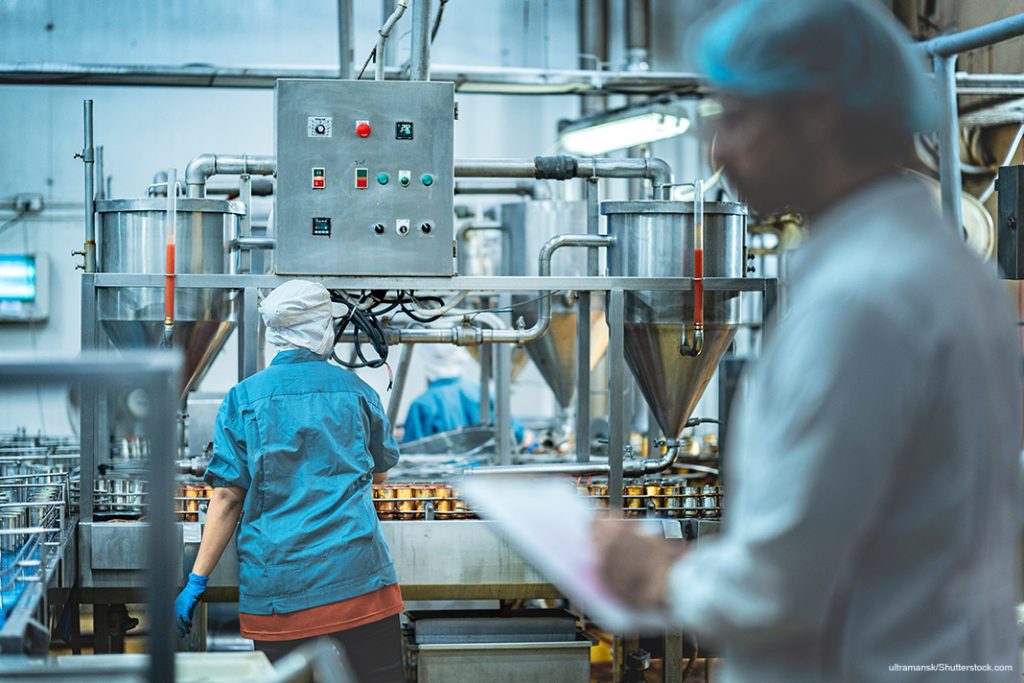
A furnace line sits idle because the hydrogen delivery is running late. A supervisor checks the cylinder bank, counts what is left, and calls the supplier again. Nothing is wrong with the process. The gas simply has not arrived.
For many manufacturers, hydrogen is not a fuel of the future. It is a working gas that protects metal surfaces, supports sintering, and keeps chemical reactions on track today. When it runs short, production stops. That is why a growing number of plants are asking a simple question: why haul hydrogen in when you can make it where you use it?
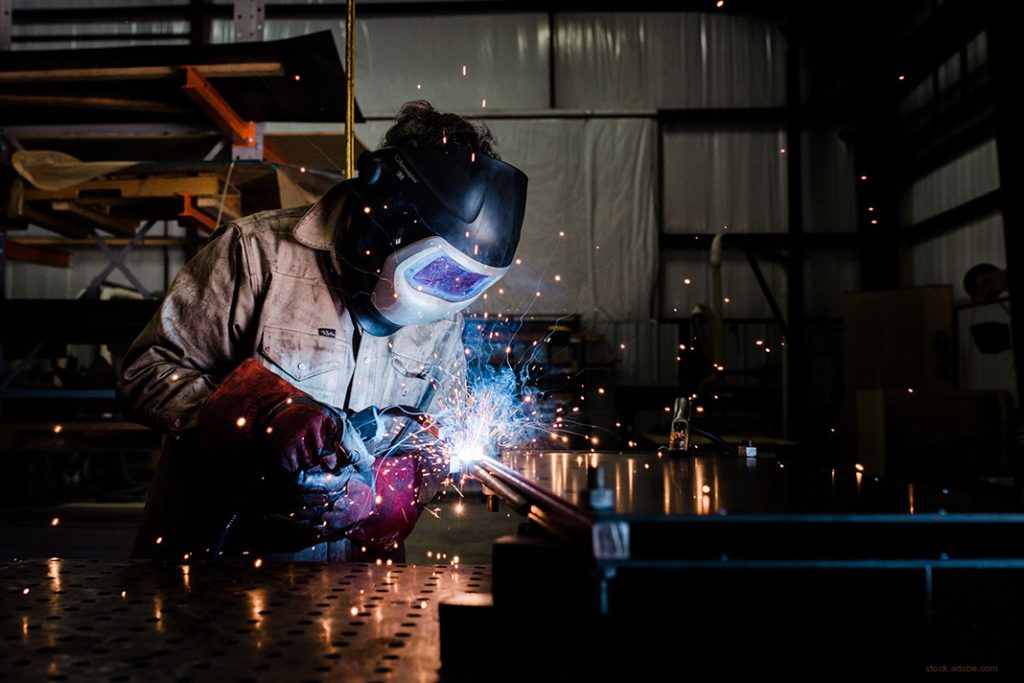
Hydrogen shows up in more places on the factory floor than most people expect. Common uses include:
These jobs have a few things in common. Demand is steady, purity requirements are clear, and an interruption in supply has a direct cost. Those are the conditions where a more controlled source of gas pays off.
The price on the invoice is only part of the story. Plants that rely on delivered hydrogen often face costs that never appear on a single line of the budget.
Price and fees. The gas price, delivery charges, cylinder rental, and fuel surcharges add up. Prices can also change from one contract period to the next.
Delivery risk. A late truck, a regional shortage, or a weather delay can leave a line waiting. Many plants respond by holding extra stock, which ties up space and money.
Handling and storage. Moving cylinders, connecting manifolds, and managing a storage area take labor and safety attention every day.
Quality variation. Switching cylinders or trailers can bring small changes in pressure and purity at the point of use.
Downtime. When supply fails, the real loss is lost production, which is usually larger than the gas bill.
None of this means delivered hydrogen is a bad choice. For small or occasional use, it is often the simplest answer. The picture changes when consumption is steady and the supply chain becomes a recurring problem.
There is more than one way to produce hydrogen at a plant. Each route has different inputs and trade-offs.
| Route | Main inputs | Strengths | Limits | Often suits |
|---|---|---|---|---|
| Water electrolysis | Electricity, water | High purity, no fuel deliveries | Electricity cost drives the economics | Sites with low-cost or renewable power |
| Methanol reforming | Methanol, water, modest power | Liquid feedstock is easy to store and ship; lower electricity use | Needs a methanol supply and handling plan | Medium-volume users, or sites with limited power |
| Natural gas reforming | Natural gas | Lower unit cost at larger scale | Larger equipment; process carbon emissions | Large users with pipeline gas |
Electrolysis splits water with electricity. It produces very pure hydrogen, but electricity is the main operating cost, so local power prices matter a great deal.
Natural gas reforming is well established, and it tends to make more sense at larger volumes where pipeline gas is available.
Methanol is a liquid at room temperature, which makes it easier to store and transport than hydrogen itself. In methanol reforming, methanol and water react over a catalyst at elevated temperature to produce a hydrogen-rich gas, which is then purified to the grade the process needs. A high-purity hydrogen generator built on this route can deliver hydrogen at a defined purity level at the point of use. Methanol reforming also relies less on electricity, so it can suit plants where power is expensive or limited.
A fair comparison looks at the whole picture and not only at the price per cubic meter. A useful framework includes:
Where the process calls for very pure gas, specifying the right grade matters. Suppliers of complete methanol reforming hydrogen production systems can help match the equipment to the required purity, flow, and site conditions, which helps keep product quality consistent.
A simple way to start is to gather twelve months of data: hydrogen volume, total spending including delivery and rental, and any supply interruptions. That baseline makes it much easier to judge whether on-site production is worth a closer look.
Making hydrogen on site changes how a plant manages risk, and it deserves a plain discussion.
Hydrogen is flammable and has a wide flammable range, so any facility that handles it needs proper ventilation, gas detection, and clear zoning. Many plants already manage these risks with banks of high-pressure cylinders. On-site production changes the form of the risk, and in many systems it means keeping a smaller buffer of gas instead of a large stock.
Permitting varies by location. Codes such as NFPA 2 in the United States, together with local fire and building rules, set requirements for siting and equipment. Talking to the local authority early saves time later.
People matter as much as equipment. Operators need training, and the plant needs a clear plan for maintenance and emergencies. A reputable supplier should be able to explain what training and support come with the system.
A metal products manufacturer that makes spring steel and cold-rolled stainless steel had been buying hydrogen in cylinders. It paid about RMB 6.5 per normal cubic meter (roughly $0.96), which came to about RMB 2.73 million, or around $400,000, in annual operating cost.
The plant switched to an on-site methanol hydrogen unit. The cost of hydrogen fell to about RMB 2.14 per normal cubic meter (roughly $0.31), and the yearly saving was about RMB 1.83 million (roughly $270,000), or around two-thirds of the previous spending. Dollar figures are converted at about RMB 6.8 per U.S. dollar and rounded.
This is one example and not a benchmark. Results depend on local prices for methanol, electricity, and delivered gas, on how much hydrogen the plant uses, and on how the project is set up. The useful lesson is the method: compare the full annual cost of both options using the plant’s own numbers.
Before deciding, a plant team can work through a short list:
Delivered hydrogen will keep its place for small and occasional users. For plants with steady demand, it is worth a second look. Producing hydrogen where it is used can bring more predictable supply and a clearer view of cost, as long as the numbers are checked against the plant’s own situation.
The starting point does not require a large commitment. Collect a year of usage and spending data, list the site’s constraints, and compare the options on total cost over time. The answer may be to stay with cylinders, or it may be to stop hauling and start making.
About the Author:
Selene Feng is a senior operations manager at Hyvoda, a supplier of hydrogen equipment serving customers in more than 30 countries. She works on production, supply chain, and quality systems for clean energy equipment. She can be reached at contact@hyvoda.com.

Forging the Next 250 Years: Powering the Next Era of American Manufacturing
In this episode of Industry Insights, Ricky Watts, General Manager, Industrial and Robotics Division at Intel Corporation, explains why the Industry 4.0 groundwork manufacturers have been laying for years is now the foundation for AI at scale. He describes how IT and OT systems are finally coming together, and how agentic AI can pull data from the plant floor, the supply chain and the C-suite to find out why a production line is underperforming. Watts also covers why chips have become strategic infrastructure, the rise of physical AI and robotics in harsh industrial settings, and the skills tomorrow’s workforce will need. He finishes with a layered approach to cybersecurity in software-defined plants.
Get In Touch
Google news and SEO compliant, Industry Today’s state-of-the-art digital media platform offers bespoke media campaigns that target key decision makers and buyers to achieve your marketing and promotional goals.

Contribute
Showcase your brand and promote your business to our highly targeted audience. We offer detailed Google Analytics with measurable ROI to assure success. Submit your content for review by our Editorial team who will contact you to discuss the project further.
About Us
Reach Your Targeted Audience and Grow Your Business. Learn more About Industry Today.
Contact Us

© 2026 Industry today. All Rights reserved.